UK Consumers Shift Towards Value and Strategic Spending
UK consumers are becoming more deliberate in how they allocate spending, as inflation and ongoing cost pressures continue to reshape purchasing behaviour. Rather than stepping back altogether, households are reassessing value at a more granular level across categories, formats, and retailers.
Shift Towards More Deliberate, Value-Led Shopping
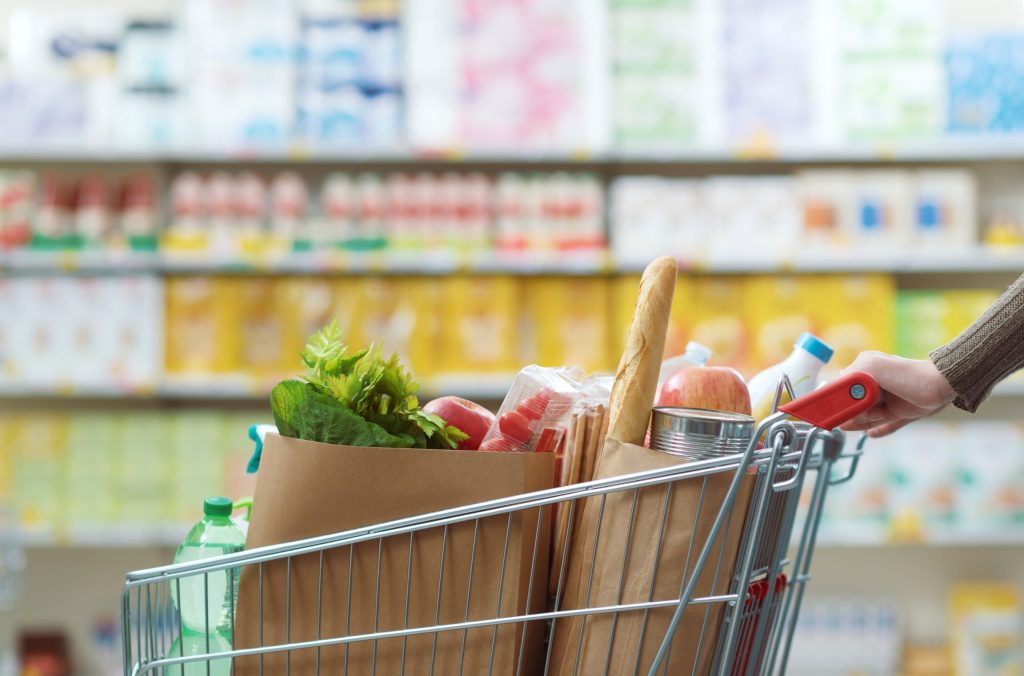
Spending patterns are becoming more controlled, and households are prioritising essential categories, cutting back on impulse purchases, and planning shops with greater intent. Price remains central, but it is increasingly weighed alongside product quality, pack size, and longevity, particularly in core grocery lines.
This shift is also redefining value at the shelf level. Larger pack sizes, multi-use products, and longer shelf-life items are gaining traction, especially in ambient and frozen categories. Basket composition is shifting as a result, with fewer items per trip but a stronger focus on overall cost efficiency.
Own-Label Strengthens Its Position in the Basket
Own-label continues to gain share as shoppers move away from branded alternatives in everyday categories. Retailers have refined tiered private-label ranges, from entry-level to premium, allowing them to capture a broader mix of demand while maintaining margin discipline. Own-label is no longer a fallback. In many baskets, it is the starting point.
Premium private-label lines are also gaining traction, particularly in fresh, chilled, and ready meal categories, where quality perception has improved significantly. This is narrowing the gap with branded products and, in some cases, reshaping category hierarchies. For branded suppliers, the shift is increasing pressure on pricing, shelf space, and promotional investment, as retailers prioritise higher-margin own-label alternatives.

Discounters Intensify Pressure on Full-Range Supermarkets
Aldi and Lidl are maintaining momentum, particularly in high-frequency categories such as fresh and ambient staples. Their pricing clarity and limited assortments continue to resonate with cost-conscious households. The impact is clear: margin pressure is building in key lines, and traditional supermarkets are being forced to defend entry price points more aggressively through matching initiatives and simplified ranges.
Promotions Shift From Volume Driver to Decision Trigger
Promotions are no longer just a volume lever. They are shaping how shoppers decide where to shop in the first place. Loyalty pricing, app-based offers, and personalised discounts are influencing both basket composition and shop frequency, with access to deals increasingly determining retailer choice.
The focus is also shifting from broad, blanket promotions to more targeted, data-led activity. Retailers are using loyalty data to refine offers at a customer level, improving redemption rates while managing margin impact more tightly. At the same time, the widespread use of “club pricing” is resetting shopper expectations, with full-price items increasingly viewed as less competitive unless supported by clear value messaging.
Price Architecture and Transparency Move Up the Agenda
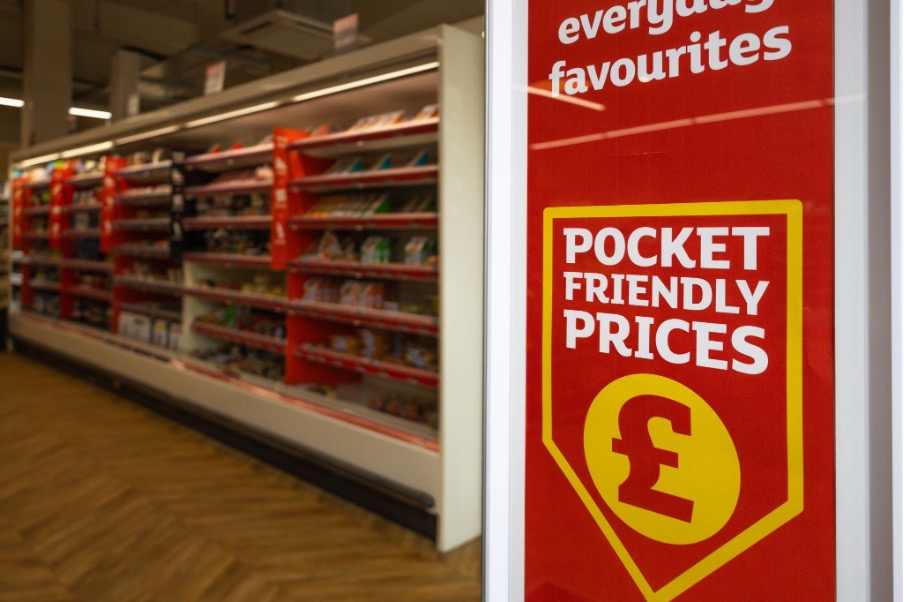
Clear pricing structures are becoming more important as shoppers compare baskets across retailers. Supermarkets are sharpening good-better-best tiers, supported by clearer unit pricing and price-matching schemes. The objective is straightforward: reduce friction and make value easier to identify in a more competitive environment.
Planned Purchasing Reduces Impulse-Driven Spend
Impulse is declining. Planned shopping missions are replacing frequent top-up trips, with greater reliance on lists and budgeting tools. Bulk buying is increasing in staple categories, helping households manage spending over longer periods. At the same time, discretionary and convenience-led categories are seeing reduced unplanned purchases.
Fewer trips. Larger baskets. The shift is also reshaping store traffic, particularly among families managing tighter budgets. Impulse-led categories such as confectionery and food-to-go are under pressure, while pantry staples and frozen lines benefit from more structured demand.
Regional and Income Differences Shape Demand Patterns
Price sensitivity remains uneven across regions. Households in lower-income areas and outside London are more likely to prioritise discounters and entry-level ranges. Higher-income groups retain greater flexibility but are still engaging more actively with promotions and switching behaviour. The result is a more fragmented demand landscape across formats and locations.
Selective Resilience in Discretionary Categories
Not all discretionary spending is being cut. Affordable indulgence categories, including treats and premium ready meals, continue to perform as shoppers make targeted trade-offs within tighter budgets. Spend is being redirected rather than removed, with certain categories benefiting from this rebalancing.
Retail and Supplier Strategies Adapt To Value-Led Demand
Retailers and suppliers are adjusting to more selective purchasing behaviour. Assortment planning is tightening, with greater focus on high-rotation SKUs and clearer value communication. Investment in own-label development and more precise promotional execution is increasing, while maintaining quality perception remains critical to avoid long-term brand erosion.
Some businesses are also using financial instruments such as CFD trading to manage exposure to commodity price volatility and currency movements, particularly where import costs are involved. While not a core retail lever, it reflects a broader shift towards more active cost and risk management.
Outlook: Value Remains Central As Behaviours Reset
Consumer behaviour is settling into a more calculated pattern, shaped by ongoing economic pressure. Value, clarity, and consistency are becoming baseline expectations rather than differentiators. For the grocery sector, competitiveness will depend on how effectively retailers balance pricing, product mix, and promotional strategy as shoppers remain selective.
Sign up here to get the latest grocery and food news each morning