Data: 68% of shoppers back body-worn cameras to protect staff, says YouGov
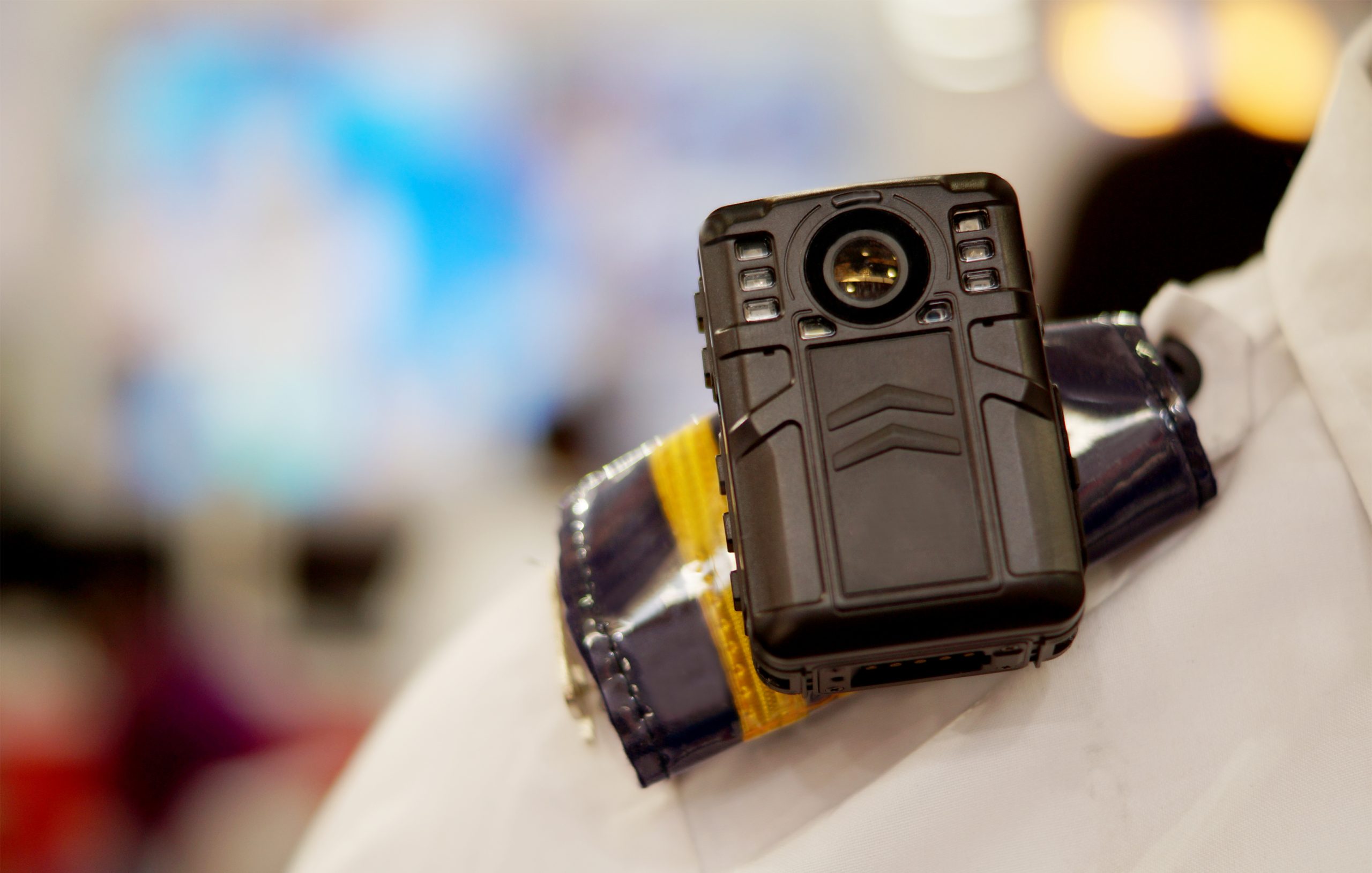
More UK shoppers are backing the use of body-worn cameras to protect staff from abuse, viewing the devices as no longer “instructive, but essential,” according to new research from YouGov.
The data shows strong public backing for the use of body-worn cameras in supermarkets and other public spaces, with two-thirds (68%) of consumers saying the technology’s main role should be protecting staff from abuse.
The nationwide study by camera supplier Halos found 68% of shoppers support their use to protect frontline workers, while 60% believe the cameras deter antisocial behaviour, and 68% say they help cut theft.
The companies say the findings suggest a cultural shift in attitudes, with the majority of consumers now viewing the technology as a reassurance rather than an intrusion.
Related Story
Subscribe to Grocery Gazette for free
Sign up here to get the latest grocery and food news each morning
More than half (55%) said cameras make them feel safer, while 44% admitted they would change their behaviour if they knew they were being filmed.
Despite this, over a third of people (38%) said they had never noticed a body-worn camera in action, highlighting the discreet role the devices now play in retail, transport and hospitality settings.
“A few years ago, the presence of a body-worn camera might have felt unusual or even confrontational,” said Halos head of enterprise solutions Matthew Dawes.
“Today, they’re a quiet reassurance to both the wearer and the everyday person. They’re a sign that staff and consumers are protected, and that there’s a line between order and chaos that doesn’t need to be loudly enforced.”
“People expect safe, respectful environments as a standard, and the data shows they’re comfortable with technology playing a role in that. Cameras don’t have to be obvious to be effective. They just have to be there when it counts.”
In recent years many retailers in the grocery sector, such as Lidl, Co-op, Morrisons, Tesco, Aldi and bp have implemented staff body-worn cameras in a bid to “combat retail crime effectively” in stores facing high levels of abuse and crime.