Burger King cooks up controversial AI chatbot to monitor ‘friendliness’ in stores

News

Burger King is rolling out an artificial intelligence chatbot into employee headsets across hundreds of US restaurants, as part of a broader digital platform designed to streamline operations and “reinforce great hospitality”.

The OpenAI-powered assistant, known internally as ‘Patty’, forms part of the chain’s new BK Assistant platform. According to the company, the system can detect certain words and phrases used during customer interactions including “welcome”, “please” and “thank you”.

The voice-enabled tool is currently being piloted in around 500 US restaurants, with a nationwide rollout of the wider BK Assistant web and app platform planned by the end of 2026.

Coaching tool or corporate overreach?

Initial reports suggested the system would ‘evaluate’ whether staff were using polite language when speaking to customers. The announcement prompted backlash online, with some critics describing the technology as intrusive and emblematic of excessive corporate surveillance.

However, Burger King has pushed back on that characterisation. A spokesperson said the system “is not designed to track nor evaluate employees saying specific words or phrases”.

“BK Assistant is a coaching and operational support tool built to help our restaurant teams manage complexity and stay focused on delivering a great guest experience,” the company said.

“It’s not about scoring individuals or enforcing scripts. It’s about reinforcing great hospitality and giving managers helpful, real-time insights so they can recognise their teams more effectively.”

Thibault Roux, the company’s chief digital officer, told US media that the brand had worked with franchisees and customers to define what friendliness looks like in practice.

The AI has been trained to recognise phrases such as “Welcome to Burger King,” alongside standard courtesies, with managers able to request insights on overall performance trends.

The company says it is also ‘iterating’ on tone recognition, suggesting future versions may analyse conversational sentiment as well as keyword usage.

Patty’s role extends well beyond monitoring service language. Integrated with Burger King’s cloud-based point-of-sale system, the assistant can alert managers when equipment is down or requires maintenance, automatically remove out-of-stock items from digital menu boards, kiosks and the app within minutes and guide employees through menu preparation, including ingredient quantities for items such as the Whopper.


Subscribe to Grocery Gazette for free

Sign up here to get the latest grocery and food news each morning


Burger King reports that it’s also capable of flagging operational issues, such as bathroom cleaning requirements.

According to Roux, once an item becomes unavailable, the system can remove it from the entire ordering ecosystem within approximately 15 minutes, covering drive-thru boards, in-store kiosks and digital channels.

The company frames the platform as a way to manage growing operational complexity, particularly as digital ordering and omnichannel fulfilment continue to expand.

While Burger King is embedding AI into staff workflows, it appears more cautious about fully automated AI drive-thrus.

“We’re tinkering with it, we’re playing around with it, but it’s still a risky bet,” Roux reportedly said. “Not every guest is ready for this.” AI drive-thru technology is currently being tested in fewer than 100 restaurants.

The hesitation follows high-profile setbacks elsewhere in the sector.

Taco Bell recently slowed the rollout of its AI-powered drive-thru systems after encountering glitches and customer trolling. Some customers reported repeated upselling prompts, while others deliberately attempted to crash the system by placing extreme orders.

Similarly, McDonald’s removed AI-powered voice ordering from more than 100 US drive-thru locations after a series of viral mishaps, including erroneous item additions and inflated order totals.

These episodes are evidece of both the promise, and also the fragility of AI deployment in high-volume, customer-facing environments. Will the gamble pay off for Burger King? Only time will tell.

News

1 Comment. Leave new

  • Hillary Shaw 2 months ago

    Bet the staff wil love this……..?

    Reply

Leave a Reply

Your email address will not be published. Required fields are marked *

Fill out this field
Fill out this field
Please enter a valid email address.

News

Share:

Burger King cooks up controversial AI chatbot to monitor ‘friendliness’ in stores
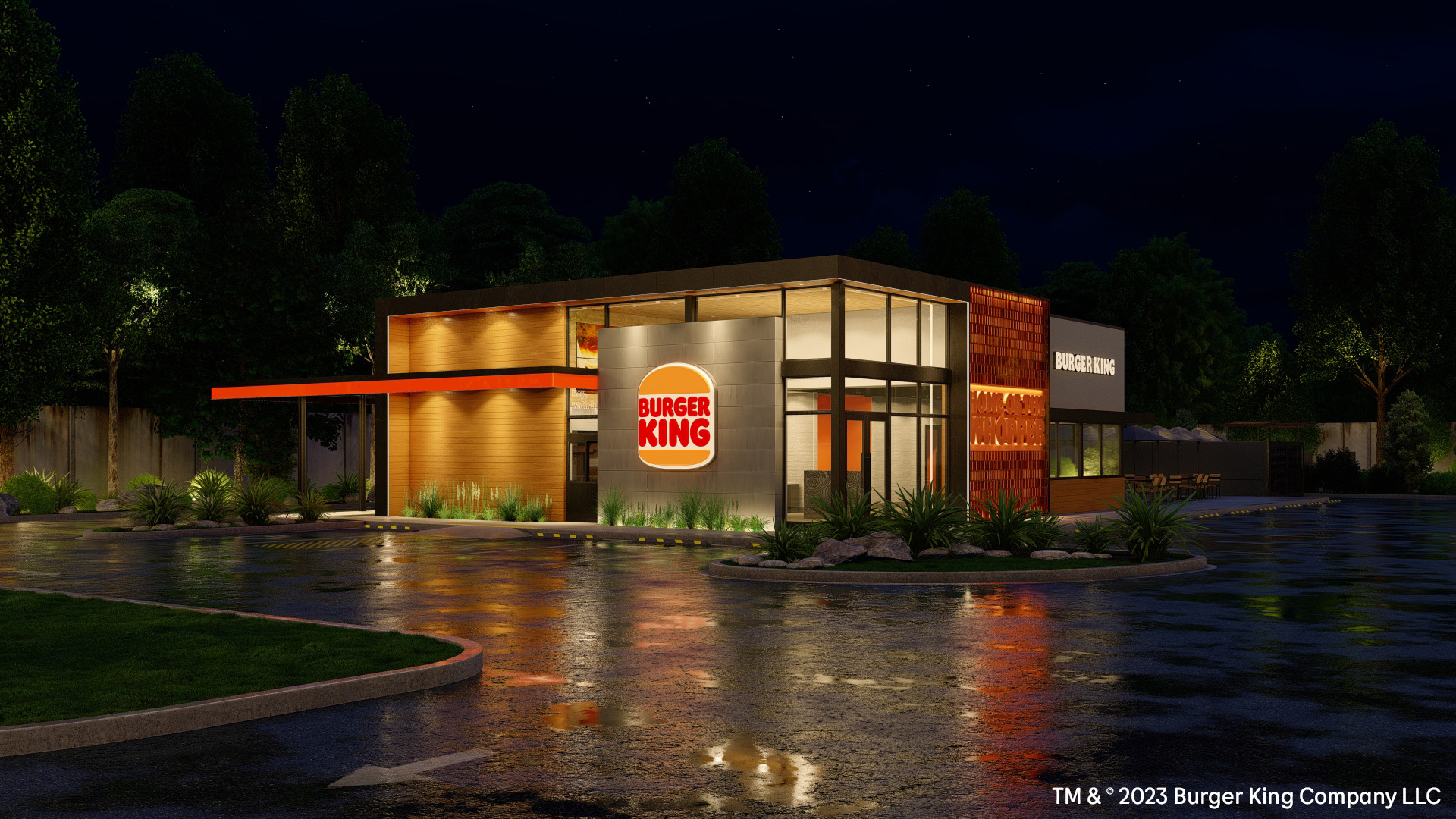
Burger King is rolling out an artificial intelligence chatbot into employee headsets across hundreds of US restaurants, as part of a broader digital platform designed to streamline operations and “reinforce great hospitality”.

The OpenAI-powered assistant, known internally as ‘Patty’, forms part of the chain’s new BK Assistant platform. According to the company, the system can detect certain words and phrases used during customer interactions including “welcome”, “please” and “thank you”.

The voice-enabled tool is currently being piloted in around 500 US restaurants, with a nationwide rollout of the wider BK Assistant web and app platform planned by the end of 2026.

Coaching tool or corporate overreach?

Initial reports suggested the system would ‘evaluate’ whether staff were using polite language when speaking to customers. The announcement prompted backlash online, with some critics describing the technology as intrusive and emblematic of excessive corporate surveillance.

However, Burger King has pushed back on that characterisation. A spokesperson said the system “is not designed to track nor evaluate employees saying specific words or phrases”.

“BK Assistant is a coaching and operational support tool built to help our restaurant teams manage complexity and stay focused on delivering a great guest experience,” the company said.

“It’s not about scoring individuals or enforcing scripts. It’s about reinforcing great hospitality and giving managers helpful, real-time insights so they can recognise their teams more effectively.”

Thibault Roux, the company’s chief digital officer, told US media that the brand had worked with franchisees and customers to define what friendliness looks like in practice.

The AI has been trained to recognise phrases such as “Welcome to Burger King,” alongside standard courtesies, with managers able to request insights on overall performance trends.

The company says it is also ‘iterating’ on tone recognition, suggesting future versions may analyse conversational sentiment as well as keyword usage.

Patty’s role extends well beyond monitoring service language. Integrated with Burger King’s cloud-based point-of-sale system, the assistant can alert managers when equipment is down or requires maintenance, automatically remove out-of-stock items from digital menu boards, kiosks and the app within minutes and guide employees through menu preparation, including ingredient quantities for items such as the Whopper.


Subscribe to Grocery Gazette for free

Sign up here to get the latest grocery and food news each morning


Burger King reports that it’s also capable of flagging operational issues, such as bathroom cleaning requirements.

According to Roux, once an item becomes unavailable, the system can remove it from the entire ordering ecosystem within approximately 15 minutes, covering drive-thru boards, in-store kiosks and digital channels.

The company frames the platform as a way to manage growing operational complexity, particularly as digital ordering and omnichannel fulfilment continue to expand.

While Burger King is embedding AI into staff workflows, it appears more cautious about fully automated AI drive-thrus.

“We’re tinkering with it, we’re playing around with it, but it’s still a risky bet,” Roux reportedly said. “Not every guest is ready for this.” AI drive-thru technology is currently being tested in fewer than 100 restaurants.

The hesitation follows high-profile setbacks elsewhere in the sector.

Taco Bell recently slowed the rollout of its AI-powered drive-thru systems after encountering glitches and customer trolling. Some customers reported repeated upselling prompts, while others deliberately attempted to crash the system by placing extreme orders.

Similarly, McDonald’s removed AI-powered voice ordering from more than 100 US drive-thru locations after a series of viral mishaps, including erroneous item additions and inflated order totals.

These episodes are evidece of both the promise, and also the fragility of AI deployment in high-volume, customer-facing environments. Will the gamble pay off for Burger King? Only time will tell.

News

Social

SUBSCRIBE TO OUR DAILY NEWSLETTER

  • This field is for validation purposes and should be left unchanged.

Most Read

News

1 Comment. Leave new

  • Hillary Shaw 2 months ago

    Bet the staff wil love this……..?

    Reply

Leave a Reply

Your email address will not be published. Required fields are marked *

Fill out this field
Fill out this field
Please enter a valid email address.

RELATED STORIES

Most Read

Latest Feature

Menu

Please enter the verification code sent to your email: