Four reasons why low and no alcohol sales are booming

low
Features

The UK is experiencing a huge demand for low and no-alcohol drinks.

Top drink manufacturers have been investing in expanding their low or no alcohol ranges to meet the shifting consumer preferences.

Here, Grocery Gazette looks at some of the major factors shaping the increased demand.

Generational shifts in drinking habits 

Younger consumers are leading the low and no-alcohol sales tend, driven by social media trends including the sober-curious movement and Dry January.

Gen Z and Millennials are leaning away from drinking alcohol as they prioritise their health and wellbeing.

According to the No/Low Alcohol Strategic Study by the International Wine and Spirit Record (IWSR), 75% of Gen Z consumers said they had moderated their alcohol intake over the past six months, compared to 74% of Millennials, 66% of Gen X and 55% of Boomers.

Social attitudes towards alcohol are changing, which was noted by Really Good Culture retail specialist Phil McMahon when commenting about rising grocery trends in 2024.

“Social attitudes, particularly among Gen Z, are shifting significantly and the wheels of long-term change are in motion. More and more people want to be able to choose when and how often they enjoy themselves without alcohol,” her said.

“Expect to see more alcohol-free events in spaces traditionally synonymous with alcohol consumption; alcohol brands will become increasingly less preferred for sponsorships.”

This popularity was demonstrated by Aldi which reported a record Dry January in 2025, with a close to 190% rise year-on-year, selling over 200,000 glasses of 0% fizz in the first two weeks of January. Waitrose also saw high sales for zero- and no-alcohol brands, marking a ‘sober summer’ this year.

Waitrose low and no buyer Sarah Holland said: “Our low- and no-category is experiencing a significant surge this summer, with sales up 32% this year.

“The ‘sober curious’ movement is growing, showing a trend towards well-being-focused drinking that doesn’t compromise on flavour or social connection. This shift is undoubtedly driven by the increasing availability of premium non-alcoholic beverages that offer the same complexity and enjoyment as their alcoholic counterparts,” she added.


Subscribe to Grocery Gazette for free

Sign up here to get the latest grocery and food news each morning


A healthier lifestyle   

Consumers are leaning towards more considered and intentional drinking, even within social settings. The demand for low- and no-alcoholic drinks is extending beyond Dry January, indicating a year-long shift as observed by online retailer Ocado earlier this year.

Ocado no and low buyer Shauna Clark Fitzpatrick said in a statement at the time: “Consumers of all ages are becoming more mindful of their drinking habits, some prompted by Dry January and others by longer term lifestyle considerations throughout the year.”  

Following the increased demand for low alcohol wines due to health concerns, Bread & Butter launched the UK’s first low-alcohol chardonnay recently. 

Linda Trotta, Bread & Butter’s winemaker, said: “The way people enjoy wine is changing. More of us are thinking about our health and alcohol intake, but we still want that little moment of pleasure a great glass of wine brings.” 

Improved marketing strategies

low

The marketing of low and non-alcoholic brands has improved to create a wider market appeal, compared to the past few years. 

The packaging, flavour and options have prompted more customers to turn towards zero-alcohol brands.   

Tesco beer, wines and spirits category planning manager Ben Cole commented in a statement about its Dry January sales last year: “More and more customers want to be able to enjoy the social aspect of having a drink without the alcohol but still want a quality wine, beer or spirit drinking experience.”

“With the increasing quality of ‘No and Low’ alcohol products, we are seeing significant growth in this area, with this January recording our highest ever customer demand and following hard on the heels of a record-breaking Christmas,” he added.

Tom Holland’s premium zero-alcohol beer landed its first retail partnership in March after selling out online on its first day.  Majestic also collaborated with Club Soda to deliver premium brand no-alcohol beverages to customers during last Christmas and ahead of Dry January.   

A wider range of products  


The range and quality of non-alcoholic beverages have improved over the years as brands are pushing towards meeting consumer demand.

Drink manufacturing giants have launched their own innovative spin on zero and low-alcohol including Guinness, Corona, Lucky Saint, Heineken and BrewDog.   

Madrí Exceptional marketing controller Sophie Mitchell said at the time of the launch of the zero alcohol lager: “Consumers increasingly expect to see a no- and low-alcohol versions of their favourite beers. It means consumers can stick with one of their favourite beers, even when looking to moderate, and enables retailers to better cater for a growing no and low-alcohol market.”

In the past, non-alcoholic drinks were limited to soft drinks and juices, whereas the established alcohol giants have introduced a broader range.

This has brought in more customers who are health conscious but still aim to enjoy the same flavours from particular ciders or beers.   

Features

2 Comments. Leave new

  • John 8 months ago

    As the market moves more to zero alcohol surely it is time to encourage all pubs to sell an alternative on draft. This is sadly missing at the moment and also price for zero bottles remains unrealistically high.

    Reply
  • John Wisedale 8 months ago

    As the market moves more to zero alcohol surely it is time to encourage all pubs to sell an alternative on draft. This is sadly missing at the moment and also price for zero bottles remains unrealistically high.

    Reply

Leave a Reply

Your email address will not be published. Required fields are marked *

Fill out this field
Fill out this field
Please enter a valid email address.

Features

Share:

Four reasons why low and no alcohol sales are booming
low

The UK is experiencing a huge demand for low and no-alcohol drinks.

Top drink manufacturers have been investing in expanding their low or no alcohol ranges to meet the shifting consumer preferences.

Here, Grocery Gazette looks at some of the major factors shaping the increased demand.

Generational shifts in drinking habits 

Younger consumers are leading the low and no-alcohol sales tend, driven by social media trends including the sober-curious movement and Dry January.

Gen Z and Millennials are leaning away from drinking alcohol as they prioritise their health and wellbeing.

According to the No/Low Alcohol Strategic Study by the International Wine and Spirit Record (IWSR), 75% of Gen Z consumers said they had moderated their alcohol intake over the past six months, compared to 74% of Millennials, 66% of Gen X and 55% of Boomers.

Social attitudes towards alcohol are changing, which was noted by Really Good Culture retail specialist Phil McMahon when commenting about rising grocery trends in 2024.

“Social attitudes, particularly among Gen Z, are shifting significantly and the wheels of long-term change are in motion. More and more people want to be able to choose when and how often they enjoy themselves without alcohol,” her said.

“Expect to see more alcohol-free events in spaces traditionally synonymous with alcohol consumption; alcohol brands will become increasingly less preferred for sponsorships.”

This popularity was demonstrated by Aldi which reported a record Dry January in 2025, with a close to 190% rise year-on-year, selling over 200,000 glasses of 0% fizz in the first two weeks of January. Waitrose also saw high sales for zero- and no-alcohol brands, marking a ‘sober summer’ this year.

Waitrose low and no buyer Sarah Holland said: “Our low- and no-category is experiencing a significant surge this summer, with sales up 32% this year.

“The ‘sober curious’ movement is growing, showing a trend towards well-being-focused drinking that doesn’t compromise on flavour or social connection. This shift is undoubtedly driven by the increasing availability of premium non-alcoholic beverages that offer the same complexity and enjoyment as their alcoholic counterparts,” she added.


Subscribe to Grocery Gazette for free

Sign up here to get the latest grocery and food news each morning


A healthier lifestyle   

Consumers are leaning towards more considered and intentional drinking, even within social settings. The demand for low- and no-alcoholic drinks is extending beyond Dry January, indicating a year-long shift as observed by online retailer Ocado earlier this year.

Ocado no and low buyer Shauna Clark Fitzpatrick said in a statement at the time: “Consumers of all ages are becoming more mindful of their drinking habits, some prompted by Dry January and others by longer term lifestyle considerations throughout the year.”  
Following the increased demand for low alcohol wines due to health concerns, Bread & Butter launched the UK’s first low-alcohol chardonnay recently. 

Linda Trotta, Bread & Butter’s winemaker, said: “The way people enjoy wine is changing. More of us are thinking about our health and alcohol intake, but we still want that little moment of pleasure a great glass of wine brings.” 

Improved marketing strategies
low

The marketing of low and non-alcoholic brands has improved to create a wider market appeal, compared to the past few years. 

The packaging, flavour and options have prompted more customers to turn towards zero-alcohol brands.   

Tesco beer, wines and spirits category planning manager Ben Cole commented in a statement about its Dry January sales last year: “More and more customers want to be able to enjoy the social aspect of having a drink without the alcohol but still want a quality wine, beer or spirit drinking experience.”

“With the increasing quality of ‘No and Low’ alcohol products, we are seeing significant growth in this area, with this January recording our highest ever customer demand and following hard on the heels of a record-breaking Christmas,” he added.

Tom Holland’s premium zero-alcohol beer landed its first retail partnership in March after selling out online on its first day.  Majestic also collaborated with Club Soda to deliver premium brand no-alcohol beverages to customers during last Christmas and ahead of Dry January.   

A wider range of products  


The range and quality of non-alcoholic beverages have improved over the years as brands are pushing towards meeting consumer demand.

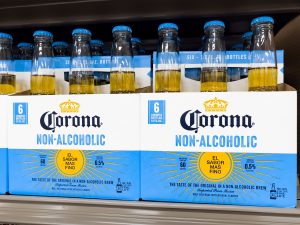
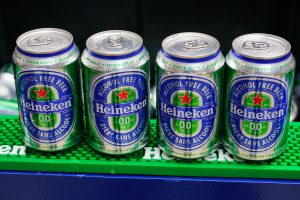
Drink manufacturing giants have launched their own innovative spin on zero and low-alcohol including Guinness, Corona, Lucky Saint, Heineken and BrewDog.   

Madrí Exceptional marketing controller Sophie Mitchell said at the time of the launch of the zero alcohol lager: “Consumers increasingly expect to see a no- and low-alcohol versions of their favourite beers. It means consumers can stick with one of their favourite beers, even when looking to moderate, and enables retailers to better cater for a growing no and low-alcohol market.”

In the past, non-alcoholic drinks were limited to soft drinks and juices, whereas the established alcohol giants have introduced a broader range.

This has brought in more customers who are health conscious but still aim to enjoy the same flavours from particular ciders or beers.   

Features

Social

SUBSCRIBE TO OUR DAILY NEWSLETTER

  • This field is for validation purposes and should be left unchanged.

Most Read

Features

2 Comments. Leave new

  • John 8 months ago

    As the market moves more to zero alcohol surely it is time to encourage all pubs to sell an alternative on draft. This is sadly missing at the moment and also price for zero bottles remains unrealistically high.

    Reply
  • John Wisedale 8 months ago

    As the market moves more to zero alcohol surely it is time to encourage all pubs to sell an alternative on draft. This is sadly missing at the moment and also price for zero bottles remains unrealistically high.

    Reply

Leave a Reply

Your email address will not be published. Required fields are marked *

Fill out this field
Fill out this field
Please enter a valid email address.

RELATED STORIES

Most Read

Latest Feature

Menu

Please enter the verification code sent to your email: