Realistically, are weightloss jabs fundamentally changing the grocery industry?
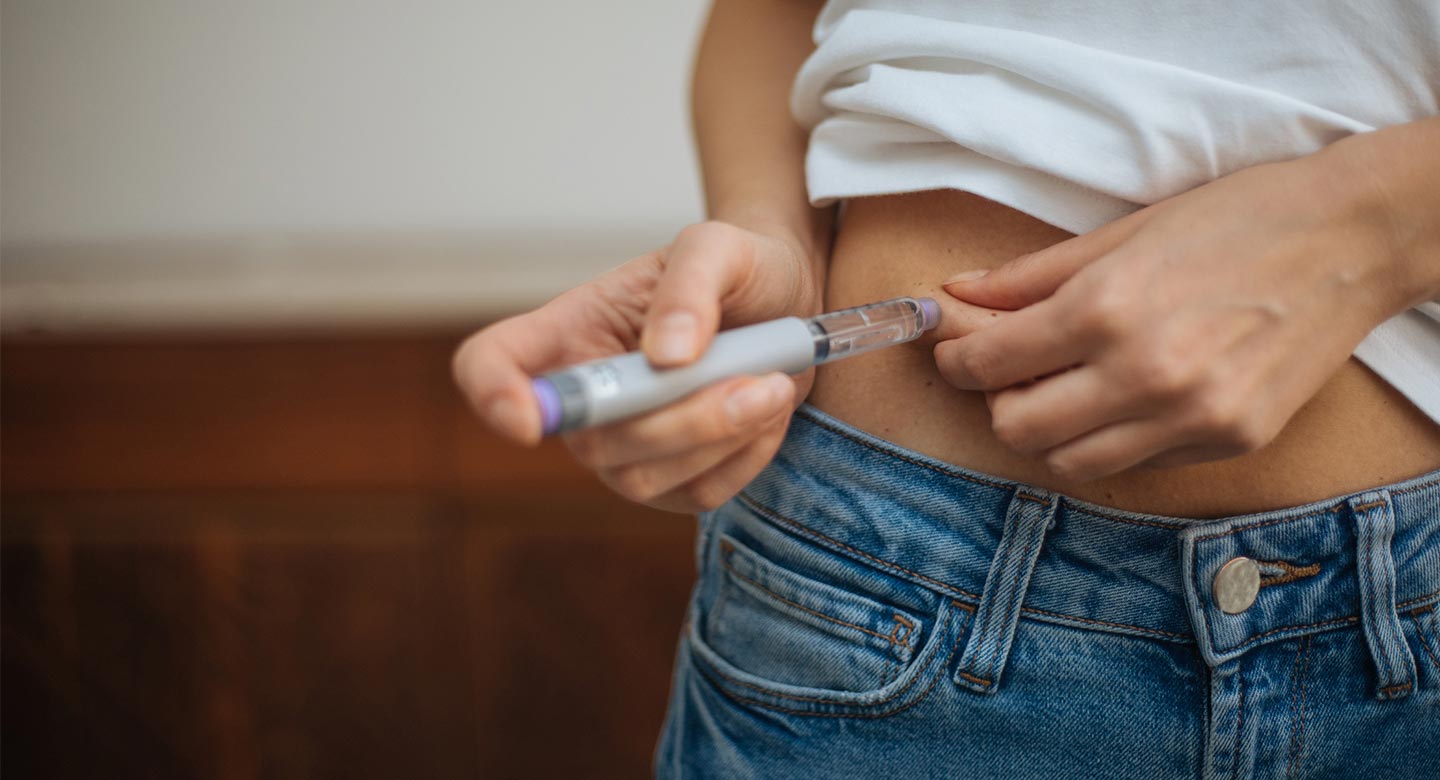
For an industry built on volume, the idea that millions of consumers might suddenly want to eat less is understandably unsettling. Yet this is the question now being asked across boardrooms, buying teams and product development departments as weight-loss medications move further from medical niche to cultural norm.
The arrival of weightloss drugs such as Ozempic has coincided with a noticeable shift in how consumers talk about food. Appetite suppression, smaller meals and protein prioritisation are becoming mainstream conversations.
But amid the noise (and the inevitable headlines about the ‘death of snacking’) a more grounded question is, are weight-loss jabs genuinely reshaping the grocery industry, or are retailers responding to a trend whose long-term impact is still uncertain?
The answer, as ever in retail, sits somewhere in between.
‘Jab-January’
As any grocery professional will know only too well, health kicks in January are such an undeniable certainty that they veer sharply into the cliche. Of course, with such trends comes opportunity. Veganuary and Dry January have long provided supermarkets with seasonal merchandising opportunities. But in 2026, a new phrase gained ground, with social media hashtags abound – ‘Jab January’.
A study by University College London estimated that around 1.6 million adults in England, Wales and Scotland used weight-loss medication between early 2024 and early 2025, with a further 3.3 million expressing interest in doing so this year. That equates to nearly one in ten adults either using or considering the drugs.
Meanwhile, industry estimates suggest roughly 6 per cent of UK adults are currently taking GLP-1 medications, and Kantar data indicates that around 4 per cent of households now include at least one user. In the United States, where uptake has accelerated more quickly, penetration is already significantly higher, enough for restaurant chains to begin redesigning menus around smaller appetites and protein-heavy meals.
For UK grocers, even modest reductions in consumption at scale can have meaningful commercial consequences. A 2024 Cornell University study found households with at least one GLP-1 user reduced grocery spending by 5.3 per cent within six months, rising to 8.2 per cent among higher-income households.
Whilst this isn’t an existential threat to a £250bn UK grocery market, it’s undoubtedly enough to make retailers watch closely.
Smaller baskets, different baskets
Early data suggests that the impact is less about consumers abandoning food categories altogether and more about reshaping what ends up in the basket.
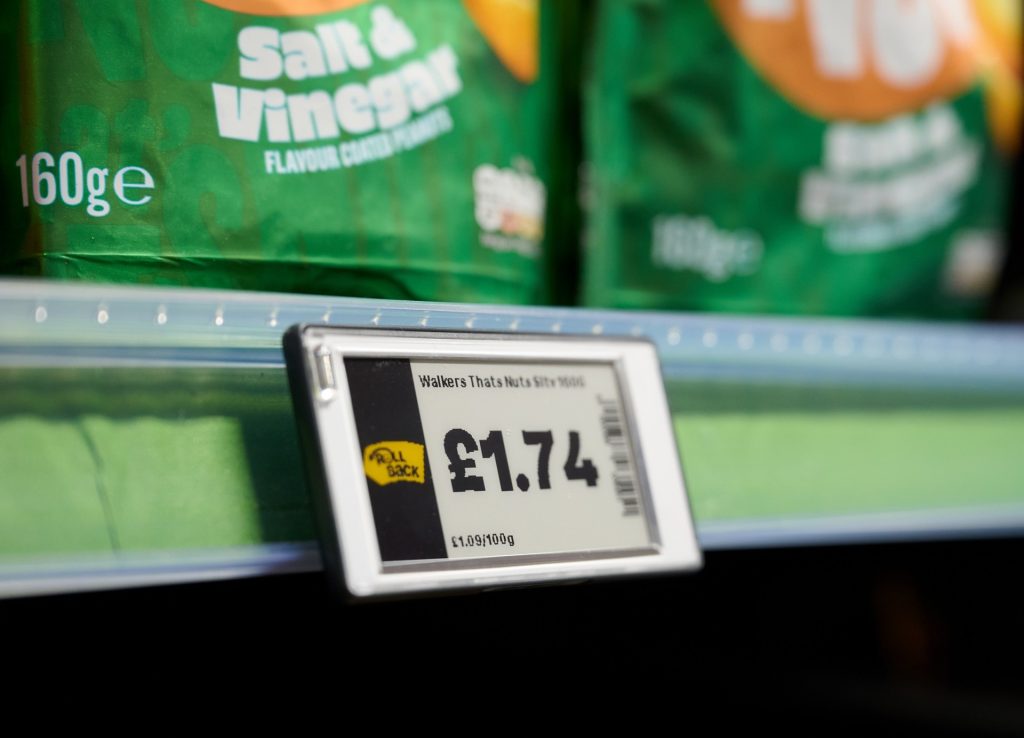
Kantar has already reported a slight decline in grocery volumes during periods where GLP-1 usage has risen, while analysts note reductions in discretionary categories such as crisps, chocolate and biscuits. Four in five GLP-1 users surveyed said they intended to cut back on confectionery and snacks, while nearly three-quarters planned to reduce biscuit consumption.
At the same time, supermarkets are reporting growth in fresh produce, lean proteins and fibre-rich foods. Tesco recently highlighted fresh food as a major growth driver, while Ocado has seen strong demand for chicken, steak, cottage cheese and health drinks. These are staples that align neatly with dietary advice given to GLP-1 users.
That trend is only partly driven by medication. Updated dietary guidance encouraging higher protein intake, broader wellness culture and social media-driven fitness trends have all converged at the same time. GLP-1s, therefore, may well be simply accelerating the shift, rather than creating it by themselves.
Subscribe to Grocery Gazette for free
Sign up here to get the latest grocery and food news each morning
Turning smaller portions into a selling point
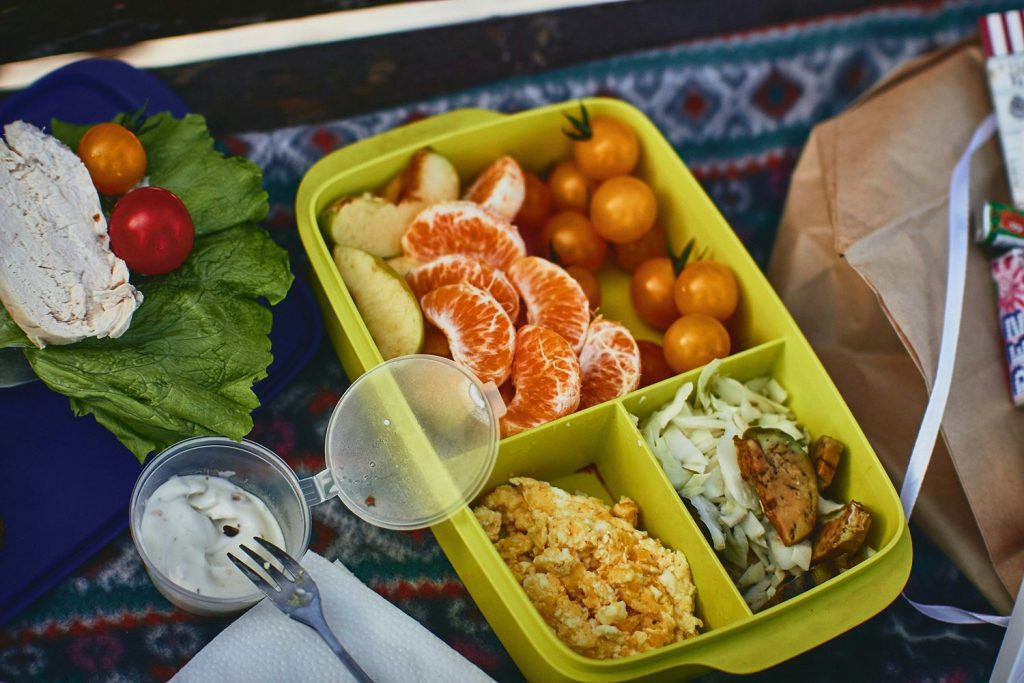
Perhaps the most visible response has been the emergence of smaller portion formats positioned as a benefit rather than a compromise.
Marks & Spencer’s Nutrient Dense range, Sainsbury’s ‘Small but Mighty’ meals and Co-op’s mini meal pots all lean into the idea that less food can still deliver adequate nutrition. Ocado has gone further, creating a virtual ‘weight management’ aisle featuring smaller protein portions and supplements.
But this strategy isn’t without risk. Consumers have become highly sensitive to shrinkflation, and smaller packs at similar price points can easily be perceived as poor value. Analysis of Morrisons’ GLP-1-friendly ready meals suggests a roughly 35 per cent price-per-weight premium compared with standard ranges, a positioning that relies heavily on customers accepting portion control as a benefit, rather than a compromise.
The industry has faced this tension before. Diet-labelled products have historically struggled when they felt exclusionary or stigmatising. Notably, many retailers are avoiding explicit references to GLP-1 drugs on packaging, instead focusing on broader language such as ‘nutrient dense’, ‘high protein’ or the classic ‘lighter’.
US trends coming to the UK?
Across the Atlantic, restaurants are already seeing clearer behavioural changes. Chains have introduced high-protein snacks, lighter portions and smaller formats as customers report being unable to finish traditional meals. Research from Circana found GLP-1 users reduced the number of items ordered only marginally but shifted away from sides and towards main dishes and nutrient-dense options.
The UK has already seen early signals. Greggs recently acknowledged that demand for smaller portions and protein-heavy snacks is influencing product development, while supermarket executives have openly stated they are monitoring GLP-1 trends closely.
However, it would be simplistic to attribute all dietary change to weight-loss medication. Inflation, rising food prices and ongoing cost-of-living pressures are also pushing consumers towards more considered purchasing decisions. Eating less can just as easily be a financial response as a medical one.
So, are weight-loss jabs really impacting grocery?
Realistically, yes. But not in the way early headlines suggested.
GLP-1 medications are unlikely to dramatically shrink the grocery market or collapse indulgent categories. Instead, they appear to be accelerating changes already underway, such as a gradual shift towards protein, freshness, portion awareness and perceived nutritional value.
The real impact is psychological as much as physical. Consumers are becoming more conscious of how much they eat and why. Retailers, in turn, are reframing smaller portions and higher-quality ingredients as premium choices rather than compromises.
So, it’s not necessarily the smart move to roll out explicit ‘GLP-1 ranges’, but those who offer flexibility, smaller formats, better nutrition and clearer value, without alienating shoppers who are not on medication, will reap benefit.
For now, weight-loss jabs are speeding up a recalibration of the food industry that was already in motion.
And as with most shifts in grocery, the long-term impact will not be decided by medicine alone, but by whether consumers decide that eating less, and eating better, is a habit worth keeping once the novelty fades.