Is Sainsbury’s ‘misleading the public’ with freshly baked bread claims?

Sainsbury's
News

Sainsbury’s has reportedly confirmed that it no longer makes any bread from scratch in its in-store bakeries, as scrutiny grows over how supermarkets market “freshly baked” products.

In a response to the Real Bread Campaign, a Sainsbury’s customer care representative said the retailer “no longer bake[s] individually in our in-store bakeries” and that breads are now “manufactured elsewhere”.

The move means none of Sainsbury’s 1,400-plus stores produce bread from raw ingredients on site, marking a significant shift from previous years when the supermarket operated hundreds of scratch bakeries.

Despite the change, the retailer continues to use in-store and on-pack messaging such as “freshly baked bread”, “freshly made every day” and “baked today” across its bakery ranges – phrasing that critics argue could mislead customers about how products are made.

Chris Young, campaign coordinator at the Real Bread Campaign, said the decision reflects a wider industry trend prioritising efficiency over transparency.

“It’s sad that the UK’s second largest supermarket chain has prioritised profit over supporting skilled bakery jobs and offering freshly made bread to its customers,” he said.

“What adds insult to injury is that Sainsbury’s continues to market bakery products in ways that may lead shoppers to believe they are made in store on the day of purchase.”

The practice is not unique to Sainsbury’s. According to the campaign, eight of the UK’s 10 largest supermarket chains no longer produce bread from scratch in-store, instead relying on centralised manufacturing and so-called “bake-off” methods.

Typically, these products are partially baked off-site, frozen, and transported to stores where they are reheated before sale. Some items are simply defrosted and displayed.

While this model improves consistency and reduces labour costs, critics argue it distances production from the point of sale while maintaining the perception of freshness.

Young added that the system can also have wider implications. “Rebaked products tend to stale more quickly than freshly made ones, increasing the likelihood of food waste,” he said.

“The process of baking and then rebaking products also uses more energy, adding to their carbon footprint.”

The shift away from scratch baking has also had an impact on employment, removing opportunities for skilled bakery roles within local communities.

Historically, Sainsbury’s operated around 400 in-store bakeries producing bread from basic ingredients, but that number has now fallen to zero.

The Real Bread Campaign is calling for greater transparency across the sector, including clearer labelling around where and how bakery products are made.

It is also lobbying for updated legislation through a proposed “Honest Crust Act” to improve standards on composition, labelling and marketing.

Consumer perception appears to be shifting. A survey conducted in October 2025 found that 71 per cent of respondents believed “freshly baked” claims in supermarkets are misleading, highlighting a growing gap between expectation and reality.

While supermarkets argue that centralised production delivers efficiency and helps manage waste at scale, the debate is likely to intensify as pressure mounts on retailers to balance operational efficiency with clearer communication to shoppers.

For now, the findings raise a broader question for the sector: in an era where trust and transparency are increasingly linked to brand value, how far can retailers stretch the definition of “fresh” before it begins to erode consumer confidence?

Sign up here to get the latest grocery and food news each morning

News

Leave a Reply

Your email address will not be published. Required fields are marked *

Fill out this field
Fill out this field
Please enter a valid email address.

News

Share:

Is Sainsbury’s ‘misleading the public’ with freshly baked bread claims?
Sainsbury's

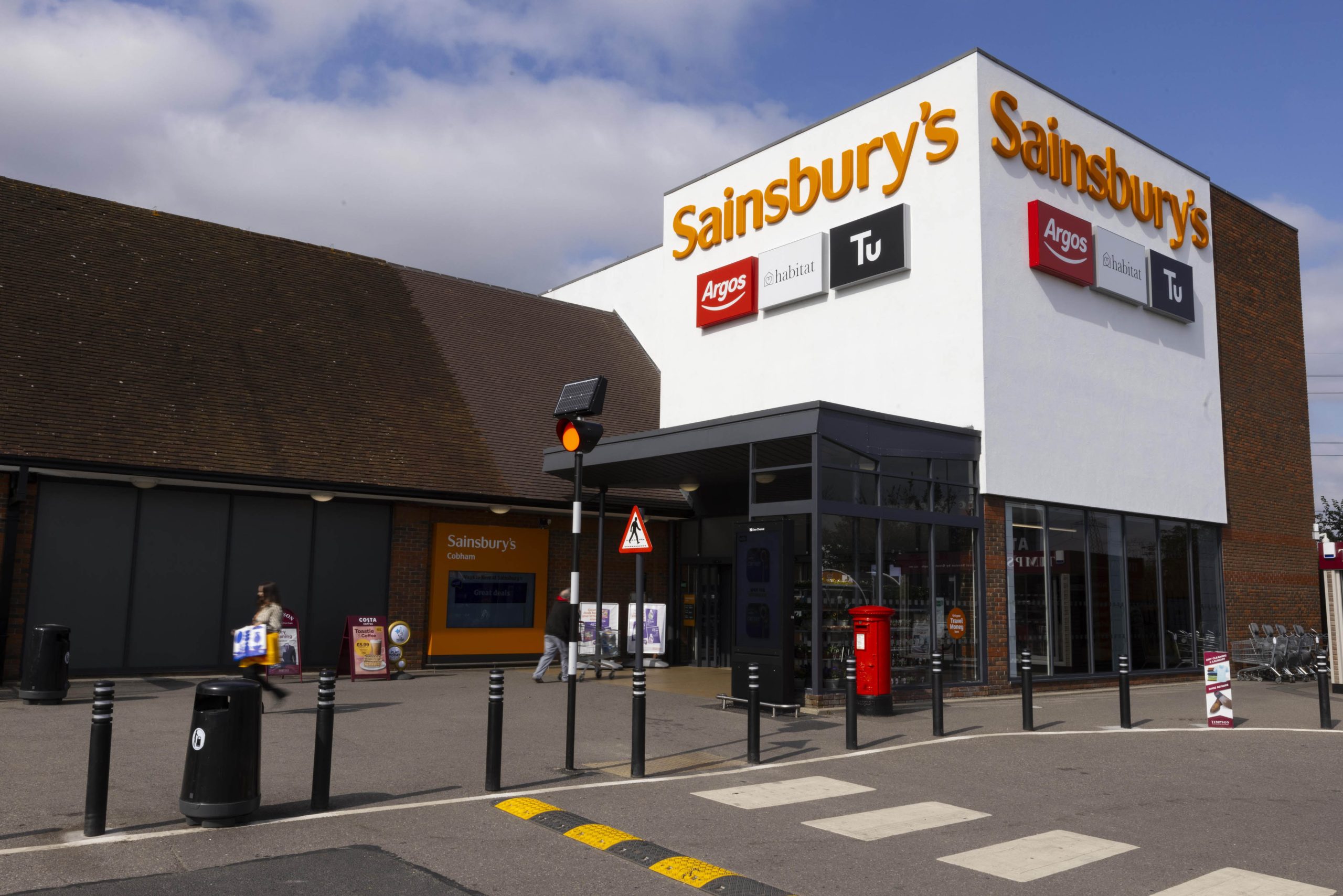
Sainsbury’s has reportedly confirmed that it no longer makes any bread from scratch in its in-store bakeries, as scrutiny grows over how supermarkets market “freshly baked” products.

In a response to the Real Bread Campaign, a Sainsbury’s customer care representative said the retailer “no longer bake[s] individually in our in-store bakeries” and that breads are now “manufactured elsewhere”.

The move means none of Sainsbury’s 1,400-plus stores produce bread from raw ingredients on site, marking a significant shift from previous years when the supermarket operated hundreds of scratch bakeries.

Despite the change, the retailer continues to use in-store and on-pack messaging such as “freshly baked bread”, “freshly made every day” and “baked today” across its bakery ranges – phrasing that critics argue could mislead customers about how products are made.

Chris Young, campaign coordinator at the Real Bread Campaign, said the decision reflects a wider industry trend prioritising efficiency over transparency.

“It’s sad that the UK’s second largest supermarket chain has prioritised profit over supporting skilled bakery jobs and offering freshly made bread to its customers,” he said.

“What adds insult to injury is that Sainsbury’s continues to market bakery products in ways that may lead shoppers to believe they are made in store on the day of purchase.”

The practice is not unique to Sainsbury’s. According to the campaign, eight of the UK’s 10 largest supermarket chains no longer produce bread from scratch in-store, instead relying on centralised manufacturing and so-called “bake-off” methods.

Typically, these products are partially baked off-site, frozen, and transported to stores where they are reheated before sale. Some items are simply defrosted and displayed.

While this model improves consistency and reduces labour costs, critics argue it distances production from the point of sale while maintaining the perception of freshness.

Young added that the system can also have wider implications. “Rebaked products tend to stale more quickly than freshly made ones, increasing the likelihood of food waste,” he said.

“The process of baking and then rebaking products also uses more energy, adding to their carbon footprint.”

The shift away from scratch baking has also had an impact on employment, removing opportunities for skilled bakery roles within local communities.

Historically, Sainsbury’s operated around 400 in-store bakeries producing bread from basic ingredients, but that number has now fallen to zero.

The Real Bread Campaign is calling for greater transparency across the sector, including clearer labelling around where and how bakery products are made.

It is also lobbying for updated legislation through a proposed “Honest Crust Act” to improve standards on composition, labelling and marketing.

Consumer perception appears to be shifting. A survey conducted in October 2025 found that 71 per cent of respondents believed “freshly baked” claims in supermarkets are misleading, highlighting a growing gap between expectation and reality.

While supermarkets argue that centralised production delivers efficiency and helps manage waste at scale, the debate is likely to intensify as pressure mounts on retailers to balance operational efficiency with clearer communication to shoppers.

For now, the findings raise a broader question for the sector: in an era where trust and transparency are increasingly linked to brand value, how far can retailers stretch the definition of “fresh” before it begins to erode consumer confidence?

Sign up here to get the latest grocery and food news each morning

News

Social

SUBSCRIBE TO OUR DAILY NEWSLETTER

  • This field is for validation purposes and should be left unchanged.

Most Read

News

Leave a Reply

Your email address will not be published. Required fields are marked *

Fill out this field
Fill out this field
Please enter a valid email address.

RELATED STORIES

Most Read

Latest Feature

Menu

Please enter the verification code sent to your email: