
Budget 2024: The grocery industry reacts
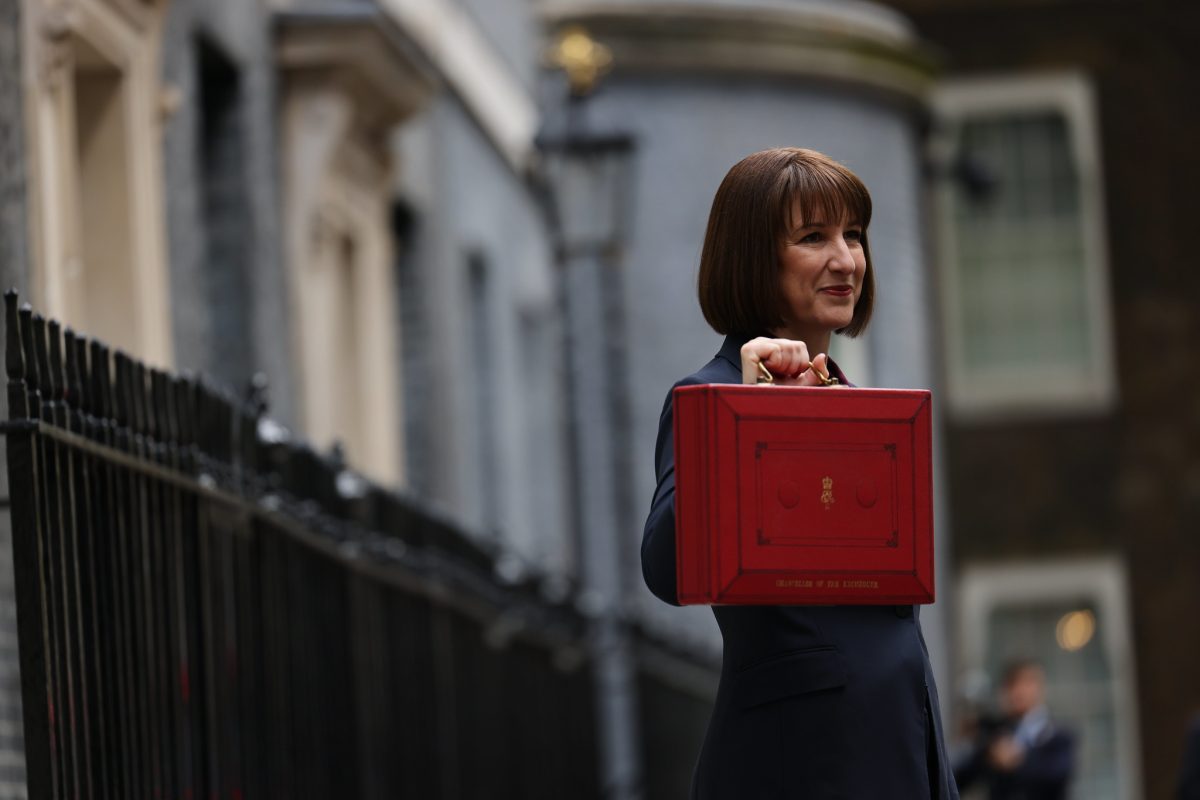
Chancellor Rachel Reeves unveiled her first Budget yesterday (30 October) which include plans to raise national insurance, farm inheritance tax, the soft drinks levy, tobacco and vape taxes.
We caught up with retailers and brands alike to find out what the grocery sector thinks about the new economic policies.
Business rates
The government is to permanently lower business rates for retail, hospitality and leisure properties from 2026/27. The retail and hospitality rate relief will also be reduced from 75% to 40%, with the small business multiplier frozen for 2025/26.

Co-op chief executive Shirine Khoury-Haq: “I welcome the future direction announced today towards business rates reform. We look forward to continuing to engage with the government to ensure their proposed reforms deliver a fairer system which enables high street retailers to invest in their stores and local communities.
British Retail Consortium chief executive Helen Dickinson: “While retailers welcome future action on rates, they are assessing the impact of today’s announcement. There remain many unanswered questions about the new charges and discounts that will be levied from 2026. Charging more to businesses with higher rateable values may punish not only distribution hubs, but also larger stores, which play a key role in attracting footfall to high streets and town centres.
“With retailers paying over 21% of all business rates in the economy, the solution is not to simply shift the burden around, but to look outside retail to address the disproportionate impact of business rates on the industry.”
Association of Convenience Stores chief executive James Lowman: “Not all shops will be impacted the same. The smallest retailers, with low NICs bills and lower rateable values for their shops, will benefit from the welcome increase in the employment allowance and the retention of 40% of the retail, hospitality and leisure business rates relief. Retailers with a larger store, a number of sites or those operating a chain will receive limited benefit from these mitigations, and this will impact their ability to invest and to continue to offer services in the communities they serve.”
Retail crime
When unveiling the Budget, Reeves said the government will “scrap the effective immunity for low-value shoplifting” and will provide “additional funding to crack down on the organised gangs which target retailers and to provide more training to our police officers and retailers to help stop shoplifting in its tracks”.

Khoury-Haq: “I welcome the Chancellor’s recognition today that persistent theft and retail crime has an incredibly damaging impact on colleagues across the retail sector and communities alike. At Co-op we have long campaigned against rising violence and abuse directed at shopworkers, so we’re hopeful that the removal of the £200 threshold alongside new funding will make a real difference in tackling the repeat offenders and organised gangs driving retail theft.”
Dickinson: “We welcome the Chancellor’s firm stance on shoplifting, with the announcement on extra funding aimed at tackling a scourge that costs the industry over £1.8bn. This is on top of the scrapping of the low-level shoplifting threshold, which has resulted in many police forces ignoring smaller crimes. Working closely with the police and Government, retailers are determined to tackle retail crime – from shoplifting, to violence against retail workers.”
Association of Convenience Stores chief executive James Lowman: “The Chancellor’s commitment to tackling shop theft will be warmly welcomed by our members, but they are interested only in action and in crime against their stores and their colleagues being tackled effectively. We stand ready to help implement a new, and better-funded strategy to stop shop theft, abuse and violence against our members.”
National Insurance contributions
From April 2025, Employers’ National Insurance Contributions will rise from 13.8% to 15% on a worker’s earnings above £175. The threshold at which employers start paying the tax on each employee’s salary will be reduced from £9,100 per year to £5,000.
Dickinson: “Increases to National Insurance contributions are yet another case of piling taxes on an already overburdened industry – a decision which will reduce investment in shops and jobs. As a low-margin industry and the UK’s largest private sector employer, the scale of increases will have an immediate and disproportionate effect on both retailers and their supply chains, who together are responsible for employing 5.7m people across the country.”
National Living Wage
The National Living Wage is set to rise 6.7% to £12.21 an hour for those over 21 and increase to £10 per hour for 18 to 20-year-olds.
Khoury-Haq: “As a member-owned business we are absolutely committed to doing right by all our 55,000 colleagues. Difficult choices have been announced today which will have a significant impact on our business in the coming years. We would, however, urge the Government to follow through on its commitment to removing age rates within the National Living Wage and to consider removing the separate apprenticeship rate. At Co-op, we pay the Real Living Wage to all colleagues, regardless of age or apprenticeship status, reflecting our belief in fair pay for all.”
Farming
The Chancellor announced the end of 100% inheritance tax relief on farms and agricultural properties valued above £1m. Instead, from 6 April 2026, properties above the threshold will now only be offered 50% relief.
NFU President Tom Bradshaw: “This Budget not only threatens family farms but will also make producing food more expensive. This means more cost for farmers who simply cannot absorb it, and it will have to be borne by someone. Farmers are down to the bone and gristle, who is going to carry these costs?
“It’s been a bad Budget for farm confidence, which is already at an all-time low. After today farmers, including tenants, have more uncertainty and more worry, not less. When you look farmers in the eye and make them a promise, keep it. The shameless breaking of those promises on Agricultural Property Relief will snatch away much of the next generation’s ability to carry on producing British food, plan for the future and shepherd the environment.
“It’s clear the government does not understand that family farms are not only small farms, and that just because a farm is a valuable asset it doesn’t mean those who work it are wealthy. Let’s not sugar-coat this, every penny the Chancellor saves from this will come directly from the next generation having to break-up their family farm.
“This is one of a number of measures in the Budget which make it harder for farmers to stay in business and significantly increase the cost of producing food.”
Wine tax
The Budget revealed that the government will increase the Alcohol Duty rates that apply to all non-draught products in line with Retail Price Index inflation (RPI).
It follows alcohol duty being frozen from March 2020 in response to the pandemic, and calls from the sector throughout this year, for the government to halt the upcoming rise.
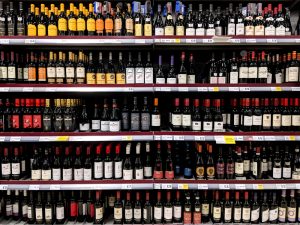
Wine and Spirit Trade Association chief executive Miles Beale: “The Chancellor’s decision to increase alcohol duty by RPI is a real kick in the teeth for both businesses and consumers. We simply cannot understand why government has said they are trying to protect income and in the next breath raising alcohol duty in a move that is totally counterproductive. Recent history has shown us that duty increases lead to price rises for consumers, a dip in sales and, as a result, fewer receipts for the Treasury. The near £500m loss in alcohol duty receipts, in the last six months, couldn’t make that clearer.
“We are bitterly disappointed that Labour, despite their manifesto pledge to prioritise growth, has chosen not to listen to business – especially SMEs, which will be hit hardest of all. Instead of reversing the last government’s damaging plans to bring in unnecessary, complex and costly changes to the way wine is taxed, Labour wants to plough ahead. And for what?
“Raising alcohol duty and ending the wine easement will not bring in more revenue for the Chancellor, but it will mean businesses will now be obliged to tussle with more costly and complicated red tape. This will increase costs and push up prices for consumers and make economic growth unlikely or unachievable.”
Wine GB CEO Nicola Bates: “The government has missed an opportunity to accelerate growth and help Britain’s domestic wine producers succeed. We anticipate that the over £230m fall in duty receipts for wine as a result of reduced sales seen last year will be repeated.
“The government needs to recognise that English and Welsh wine production is not operating on a level playing field with other wine-producing countries, both in the UK and overseas. We need a fairer tax regime to address the competitive disadvantage our producers face. For this to be achieved, we need a duty cut and the ABV band for lower duty calculation increased as well as relief introduced at the cellar door and for small wine producers.”
Hayman’s Gin co-owner James Hayman: “The 2023 increase caused a lot of disruption and to have another one so soon is incredibly disappointing. The sector and its associated sectors need support at present not further tax rises.”
Ministers were warned not to compare wine with other alcoholic drinks when considering the impact of the new duty system. Unlike beer, cider and spirits, wine cannot be made to a pre-determined strength. Winemakers are severely limited by strict production rules in what they are permitted to do to change alcoholic strength, while strength depends on various factors, including growing conditions and climate.”
Majestic Wine CEO John Colley: “We are incredibly disappointed that the new government has ignored countless warnings from across the wine industry and pressed ahead with its plans to remove the wine easement next February. In doing so, it has not only wasted a golden opportunity to reverse the mistakes of the previous administration but has effectively reneged on its pledge to unlock growth and remove red tape for business, failing more than 1,000 small, independent wine merchants across the UK.
“This ill-conceived policy will not only have a negative impact on consumers and wine businesses, but on duty receipts. At a time when the Treasury is trying to fill a black hole in the country’s finances and drive economic growth, it has implemented a policy that will actually reduce the revenues it receives from alcohol duty, and stifle investment by burdening wine businesses with unnecessary red tape, complexity and cost. There are no winners under this complicated new regime.”
Scotch Whisky tax

Chief Executive of the SWA Mark Kent: “This duty increase on Scotch Whisky is a hammer blow, runs counter to the Prime Minister’s commitment to ‘back Scotch producers to the hilt’ and increases the tax discrimination of Scotland’s national drink.
“On the back of the 10.1% duty increase last year, which led to a reduction in revenue for HM Treasury, this tax hike serves no economic purpose. It will damage the Scotch Whisky industry, the Scottish economy, and undermines Labour’s commitment to promote ‘Brand Scotland’. She has also increased the tax discrimination of spirits in the Treasury’s warped duty system, and with 70% of UK spirits produced in Scotland, that will do further damage to a key Scottish sector.
“This further tax rise means the lessons have not been learned, and the Chancellor has chosen continuity with her predecessor, not change. We urge all MPs who support Scotch Whisky to vote against this duty hike and tax discrimination of Scotland’s national drink.”