What the grocery sector wants to see in the Budget
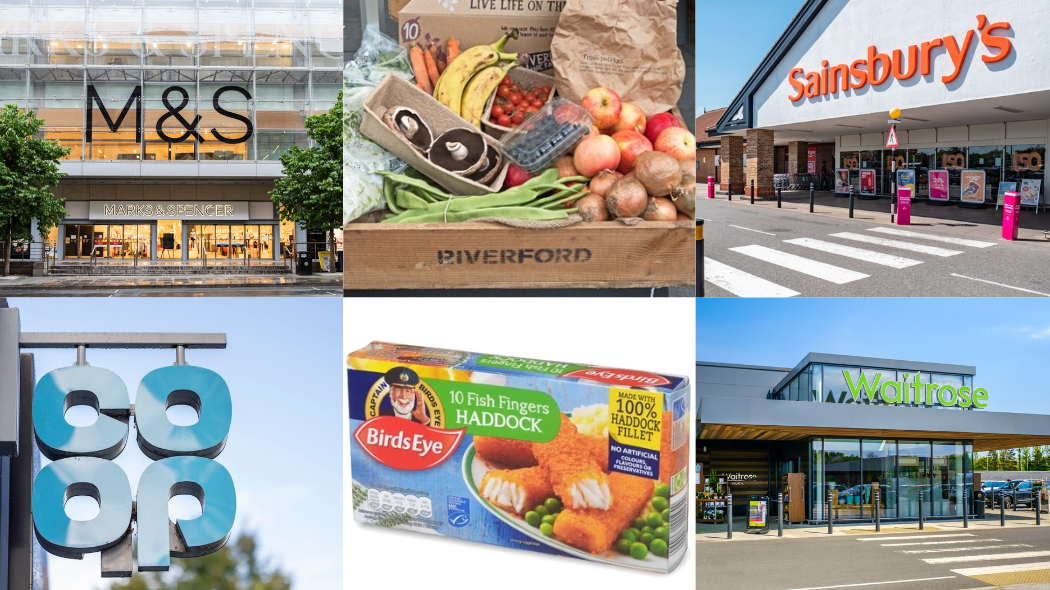
Chancellor Rachel Reeves will deliver the new Labour government’s first Budget tomorrow, outlining spending plans for the rest of 2024/25.
With businesses and consumers alike across the UK set to be impacted, we take a look at what the grocery sector wants to see from the Budget.
Business rates

M&S chief executive Stuart Machin: “Labour’s manifesto contained lots of great pledges, but I worry the reality of government is watering them down. Bold ambitions to “overhaul” business rates and to give firms flexibility over half of their apprenticeship levy funds must not be missing from the Chancellor’s statement.”
Co-op chief executive Shirine Khoury-Haq told the Today Programme: “We’ve long called for reform for the business rates system, which we believe is fundamentally broken. And you only have to look at our UK high streets to see that it’s an issue.
“For us, our business rates have increased £20m over the last two years – that’s 20% – up to £111m per annum. So, we are hoping that the Budget will address that in order for us to be able to revitalise our high streets. There needs to be protection of bricks and mortar stores and there needs to be equity in terms of online businesses paying their share of tax as well.”
“Already, the industry pays far more than its fair share – retail accounts for 5% of the economy, but pays 7.4% of all business taxes, and over 20% of all business rates. The Budget is a great opportunity to right this imbalance, ensuring that retail pays a fairer level of business rates.”
Association of Convenience Stores (ACS) chief executive James Lowman: “Our sector is at the sharp end of the fight against retail crime, faces pressure on operating margins, and is set to be impacted by a host of new regulations.
Local shops owners are facing what could be another half a billion pounds of new costs as a result of the Budget, and just as the Chancellor has to make tough decisions, so these business owners will be choosing between some unpalatable options as a result; cutting investment, cutting employment or cutting back on the services they provide.
“The Chancellor must share the burden of taxes and new costs fairly, and recognise the vital role that local shops play in more communities than any other physical business, right across the country.”
Employment rights

John Lewis Partnership CEO Nish Kankiwala: “There’s a lot of new news coming, both in the Budget and as the new government takes shape in terms of its agenda and we’re very supportive of its intent to grow the economy. That’s going to be really critical for businesses like ours and as that employment legislation comes through, we’ll watch and see, but we remain in constructive dialogue and we look forward to what comes out of that
Co-op chief executive Shirine Khoury-Haq: “When we look at the workers’ rights that have been proposed by the government, we’re actually encouraged to see a number of things that we’ve been doing for some time being put on a statutory footing.”
Farming
Riverford Organic founder and Farmers Against Farmwashing campaign leader Guy Singh-Watson told Grocery Gazette: “I am hopeful that the government will act on its promises to tackle supply chain unfairness and address the huge imbalance of power between supermarkets and farmers.
“Right now, supermarkets are ‘farmwashing’—using fake farm brands and Union Jacks to mislead shoppers into thinking they’re supporting small British farms, when in reality the supermarkets don’t do nearly enough to support British farming.
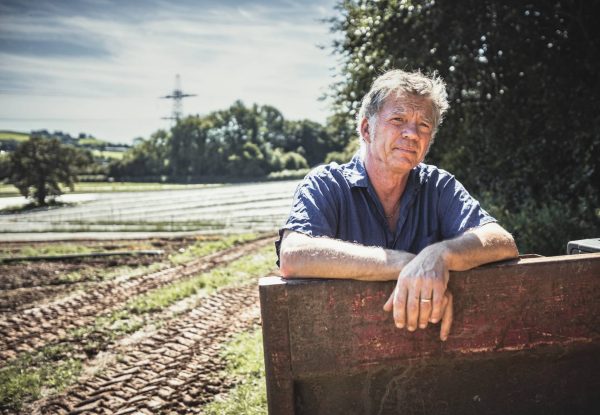
Guy Singh-Watson
“Riverford, alongside Sustain, has been campaigning for government to strengthen the Groceries Code Adjudicator (GCA) as a vital first step to rebalancing the supply chain. This would give farmers a fairer deal and allow the adjudicator more authority to challenge the big supermarkets holding them accountable for their buying practices.
“But for the Chancellor to really rebuild trust, why not go further? A dream policy of mine would be to designate part of supermarket car parks for local farmers to sell directly, which would reconnect shoppers with authentic British produce in a way that would support the British farming sector as well as the UK economy overall. It’s time to make the support for Britian’s farms visible, accessible, and genuine.”
National Farmers Union (NFU) president Tom Bradshaw has described the Department for Environment, Food and Rural Affairs’ (Defra) previously underspent agricultural budget as a “kick in the teeth”.
Looking ahead, he called for the government to carry the funding forward, so the money can “finally be put to its intended use” and support those in the farming industry.
National Insurance
M&S chief executive Stuart Machin: “When I hear about plans to increase National Insurance, a tax with no link to profit which hits bigger employers like us and our smaller suppliers, I’m concerned.
“The Chancellor was right in the past to call National Insurance a tax on workers – it makes it more difficult to offer the life changing opportunity of a job. Particularly if you hike other tax that hit retailers, like business rates or fuel duty.”
Interest rates
Sainsbury’s chief executive Simon Roberts: “We need to see interest rates continue to come down because that directly impacts household spending. I think clarity in the Dudget, one way or another, is helpful.”
Wine duty

WineGB CEO Nicola Bates: “We want to support the Chancellor achieve her economic growth plans. By cutting duty, introducing cellar door relief, and reforming small producer relief, she can accelerate our growth. Duty rates are acting as a lag to the level of growth we can have and a cut to overall duty, or reliefs, would provide considerable reassurance for our businesses and enable them to invest and grow.”
Wine & Spirit Trade Association chief executive Miles Beale told The Telegraph: “The new Prime Minister and Chancellor have been unequivocal in setting out the need to achieve economic growth and in signalling that the pressures on public expenditure mean difficult decisions will have to be taken at the Budget on 30 October.
“Abolishing the wine easement will do the exact opposite – and with no benefit for the public finances.”
Majestic Wine chief executive John Colley said that the removal of the alcohol duty freeze is likely to “hit small businesses”, including the UK’s 900 independent wine merchants and overseas importers.
Colley said: There is a risk that producers will stop exporting wine to the UK entirely, due to the immense administrative burden.
“Smaller family-run vineyards, which we value so much, may not want to change processes that have been in place for generations, when they could easily export their wines elsewhere in the world without any additional costs and red tape.
“Basically your favourite wines could increase in price, or at worst disappear from shelves altogether next year.”
Both Cambridge Wines Merchants and Majestic have emailed their customers to ask for support to scrap the new regulations by contacting their MP.
Scotch Whisky Association chief executive Mark Kent said: “The prime minister has promised to back Scotch producers to the hilt. The UK Budget on 30 October is the first opportunity for the new Labour government to show it truly supports Scotch. Last year’s double-digit tax hike on Scotch whisky in the UK, the largest in 40 years, has already lost HM Treasury almost £300m in tax revenue. Beginning to reverse the damage by cutting duty on…will boost public finances and bolster the industry through this challenging period.”
Obesity and unhealthy diets
Birds Eye-owner Nomad Foods group nutrition leader Lauren Woodley said: “Clearly there is a childhood obesity crisis and it’s getting worse…We would welcome a raft of different reforms to incentivise healthier diets.”
“A tax that is well thought out that looks at HFSS foods is a lever which the government could use, but it comes with the strong caveat that taxation alone doesn’t shift behaviour,” she said.
Tesco head of health Oonagh Turnbull said the “stop-start” approach of the last government to introducing reforms had posed a challenge for retailers.
“We’ve got a massive role to play but to make a real difference, we need the whole industry to play by the same rules,” Turnbull said. “We believe the reformulation wouldn’t have happened at the same scale and pace if it hadn’t been for the [HFSS] legislation. It drove change.”