Inflation rises as food prices fail to ease for first time since March 2023
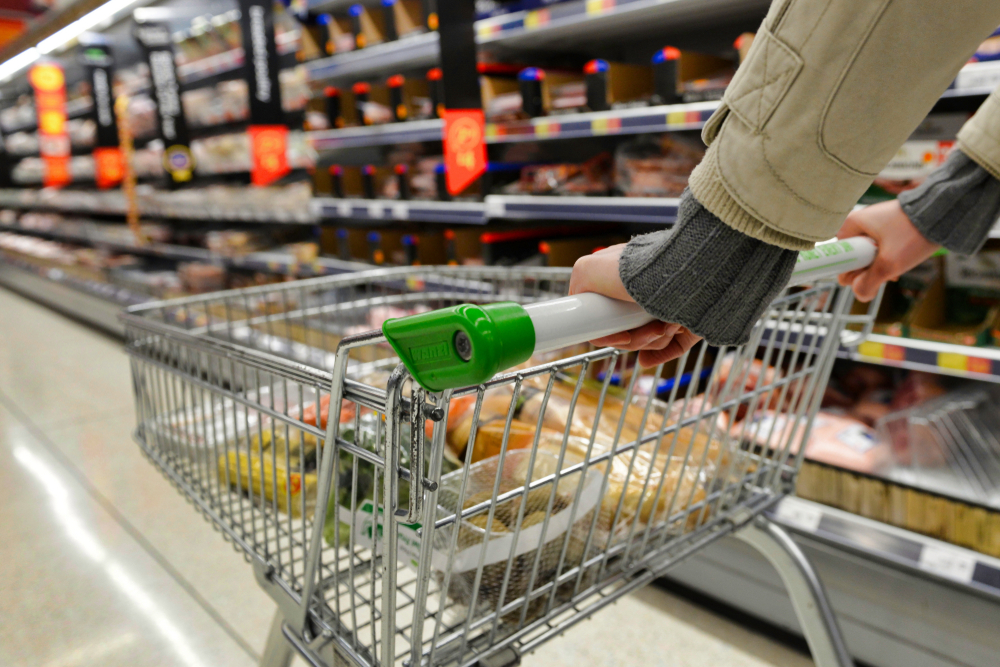
UK inflation rose for the first time this year as food prices failed to ease for the first time since March 2023.
According to the latest consumer price inflation data from the Office for National Statistics (ONS), this figure remained unchanged at 1.5%, after falling for the previous 15 months.
However, it is down from the recent high of 19.2% in March 2023, the highest annual rate seen in over 45 years.
The ONS found downward contributions from bread and cereals, fish, vegetables, and mineral waters and soft drinks, with notable products including fresh orange juice, sponge cake, canned tuna, and cheese spread.
However, there were upward contributions from milk, cheese and eggs, fruit, and sugar, jam and honey, with notable increases from packs of individual cakes, sliced pre-packed ham, milk, and large chocolate bars.
Subscribe to Grocery Gazette for free
Sign up here to get the latest grocery and food news each morning
The headline inflation figure, taking into account costs such as housing, transport, and energy, rose above the Bank of England’s 2% target to 2.2%.
British Retail Consortium director of insight Kris Hamer said: “With headline inflation showing signs of rising further, retailers face the prospect of another large rise in business rates next year, which are based on September inflation rates.
“This penalises the retail industry, as retail products currently have generally lower inflation levels than the headline figure on which business rates rises are based. The government should buy into retail by ending the 14 years of conservative business rates rises, which have seen the multiplier increase by a third since 2010, harming the viability of many high street stores across the country.”
Last week, Sainsbury’s CEO Simon Roberts and Usdaw general secretary Paddy Lillis warned that more than 17,000 shops across the UK could be at risk of closure in the next ten years without government reform of the business rates levy.