
Nestlé fights ‘Frankenstein food’ fears with simpler label push
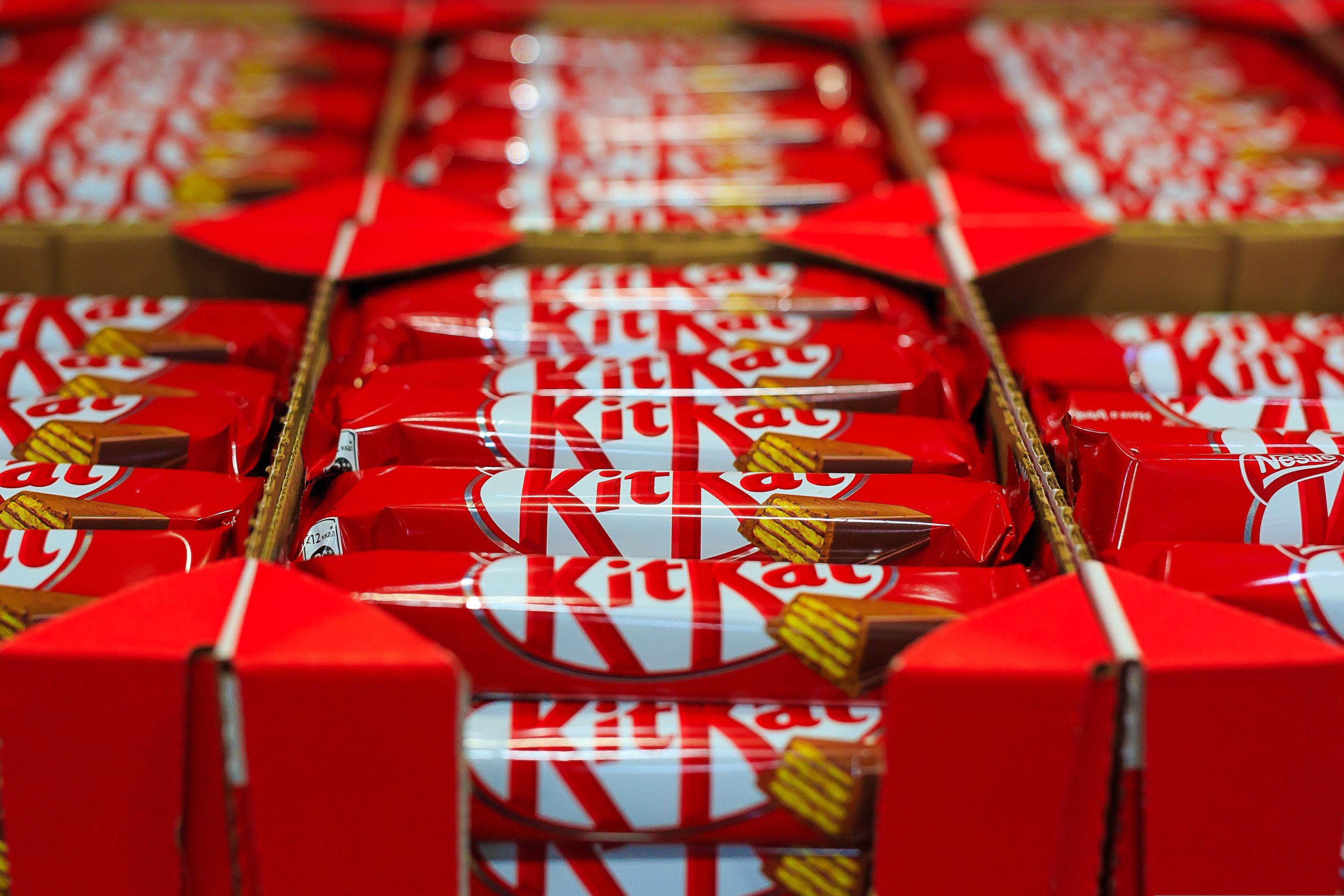
Nestlé is lobbying US regulators to allow food manufacturers to use simpler, more familiar ingredient names as shoppers increasingly turn away from products perceived to be ultra-processed.
The company wants companies to be able to replace scientific-sounding terms with descriptions that consumers more readily recognise.
This could include listing “ascorbic acid” as vitamin C and “beta-carotene” as vitamin A, according to Reuters. Nestlé believes technical terminology can make safe or naturally derived ingredients appear unnecessarily artificial.
A former senior Nestlé executive said existing rules could make some products sound like “Frankenstein food”, despite the ingredients having more familiar everyday names.
Nestlé raised the issue with US health secretary Robert F Kennedy Jr’s team as the Trump administration reviews food-labelling policies under its Make America Healthy Again programme.
Nestlé calls for clearer ingredient lists
Nestlé chief technology officer Stefan Palzer confirmed the business was engaging with US authorities through trade associations to push for less complex labels.
Palzer said Nestlé was also attempting to remove ingredients that shoppers did not understand where possible, provided doing so did not affect a product’s quality, safety or functionality.
He added that consumers increasingly preferred familiar ingredients and packaging that was straightforward to understand.
US manufacturers are generally required to list ingredients using their “common or usual” names, although some categories (including certain flavours, spices and colours) can be grouped under broader descriptions.
The US Food and Drug Administration said ingredients must be displayed in descending order according to their weight within a product and must comply with the same safety standards whether naturally or artificially derived.
However, food manufacturers argue that the terms prescribed by current rules are not always those most familiar to shoppers.
European regulations can allow companies to describe ingredients according to their intended purpose. Ascorbic acid, for example, may be described as an antioxidant, vitamin C or a combination of the two depending on how it is used.
Ultra-processed food concerns reshape grocery
The lobbying push comes as consumers place greater scrutiny on lengthy ingredient lists and increasingly seek products made with fewer additives and more recognisable components.
Research found that around three-quarters of North American shoppers had reconsidered a purchase because of the ingredients displayed on its packaging.
Major food manufacturers have responded by reformulating ranges and removing artificial colours, preservatives and other additives.
However, public-health campaigners have warned that replacing technical terms with more familiar language could make it harder for consumers to understand precisely what a product contains.
They argue that simpler descriptions must not allow manufacturers to disguise additives or make heavily processed food appear more natural than it is.
Sign up here to get the latest grocery and food news each morning