
England to ban energy drink sales to under-16s from April 2027
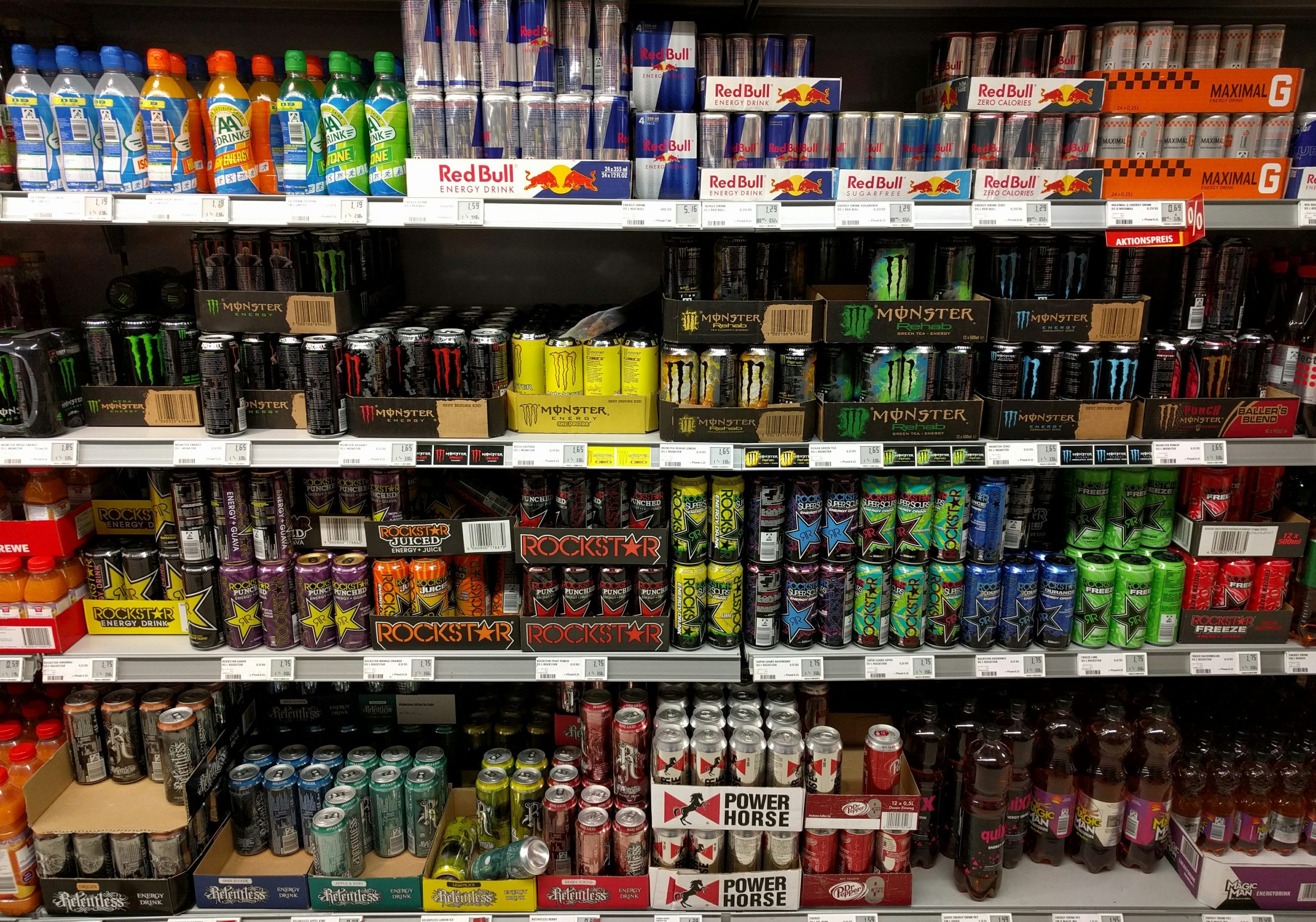
The government will ban the sale of high-caffeine energy drinks to under-16s in England from April 2027.
The restriction will apply to drinks containing more than 150mg of caffeine per litre, excluding tea and coffee. Products intended to be diluted or reconstituted before consumption will also be covered.
All consumer-facing retailers will be included, encompassing supermarkets, convenience stores, restaurants, cafés, online sellers and food delivery businesses. Business-to-business transactions will be exempt.
High-caffeine energy drinks will be prohibited entirely from vending machines, with responsibility placed on the person or business controlling the premises where a machine is located.
Retailers will be responsible for preventing underage sales, although the government will not prescribe a specific method for verifying customers’ ages online.
Local authorities, with enforcement expected to be led by trading standards officers, will oversee compliance. Individuals and businesses with 49 employees or fewer could receive fixed penalties of £1,500, rising to £2,500 for medium and large companies.
The measures are expected to take effect on 6 April 2027, subject to parliamentary approval. Businesses and enforcement bodies will receive an implementation period of at least six months.
The government estimates that more than 100,000 children in England consume at least one high-caffeine energy drink each day. This is equivalent to around 4 per cent of children aged 11 to 15, while up to one-third of 13 to 16-year-olds report drinking them weekly.
Public health minister Sharon Hodgson said: “High-caffeine energy drinks have no place in children’s hands.”
She added that the products had been associated with anxiety, disrupted sleep and reduced concentration, potentially affecting children’s health and education.
The decision follows a 12-week consultation that received 1,095 responses. Overall, 90 per cent of respondents supported an age-based ban, while 73 per cent backed setting the minimum purchasing age at 16.
Support among responding organisations was lower at 60 per cent, with some food and drink businesses questioning the proportionality of the measure, the strength of the evidence and its potential effect on companies and consumers.
The government acknowledged that the evidence does not establish a direct causal relationship between the drinks and negative health outcomes. However, it said the available research consistently identified associations and justified intervention alongside wider concerns from parents, teachers and health organisations.
The ban will be introduced through secondary legislation under the Food Safety Act 1990, according to the Department of Health and Social Care.
Sign up here to get the latest grocery and food news each morning