GLP-1 food labels ‘risk putting off shoppers’

Food brands risk alienating mainstream shoppers if they explicitly label products as “GLP-1-friendly”, despite growing demand from consumers using weight-loss treatments such as Ozempic, Mounjaro and Wegovy.
New research from Vypr found that 11 per cent of UK adults are already current or former GLP-1 users, with appetite changes, digestive sensitivity and shifts in taste pushing demand towards higher-protein, nutrient-dense and smaller-portion foods.
However, the research suggests the commercial opportunity for grocery brands lies in broader health positioning rather than medicalised branding.
Only 16 per cent of non-users said they would consider buying a product labelled as “GLP-1-friendly”, even if it supported weight management. A further 42 per cent said they were neutral, suggesting many shoppers remain indifferent to explicit GLP-1 messaging.
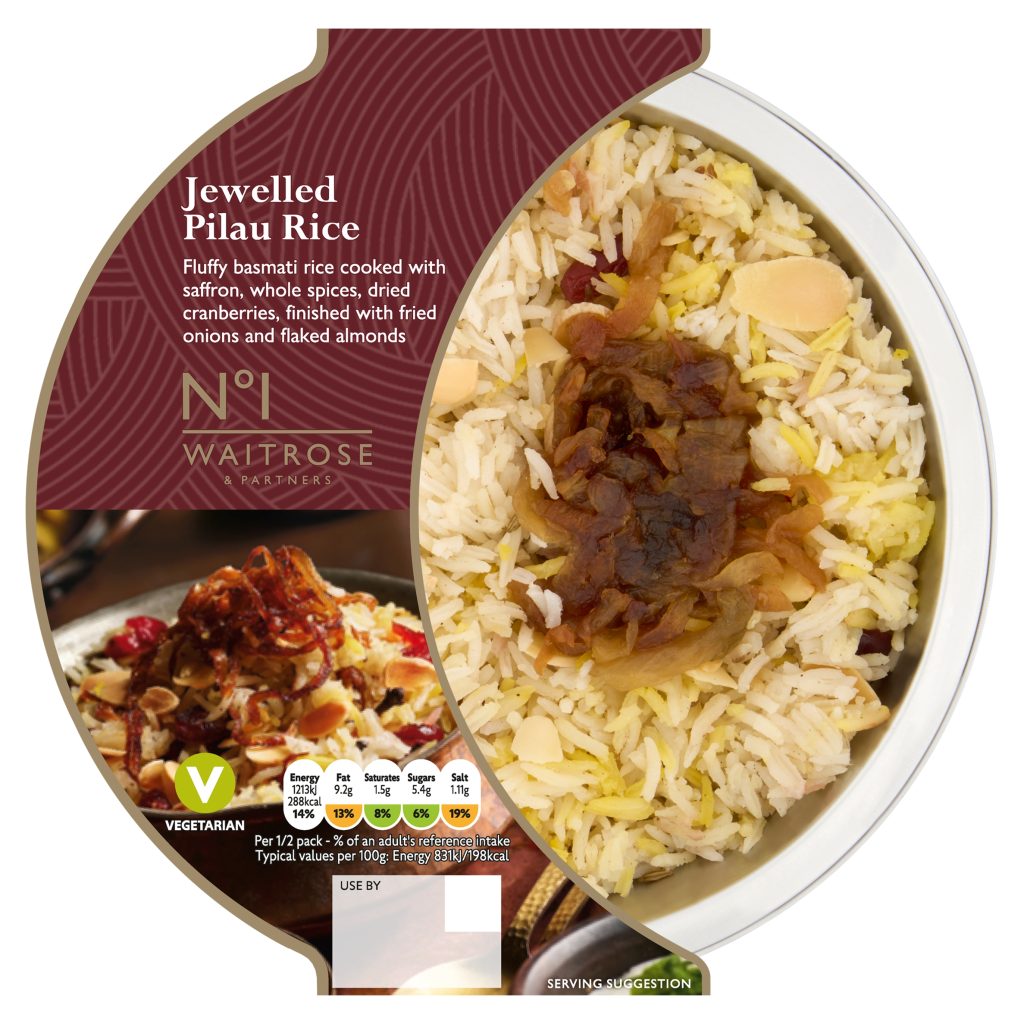
Vypr said products such as high-protein ready meals, nutrient-dense snack bars, portion-controlled meal kits and softer-textured foods could appeal to GLP-1 users while still targeting the wider health-conscious market.
The research comes as GLP-1 use is expected to grow in the UK following the approval of the Wegovy pill, which PwC has predicted could double adoption by making treatment more accessible.
Vypr’s Consumer Horizon Report also pointed to a credibility challenge for brands, with 54 per cent of UK adults saying they distrust generic GLP-1 treatments. Distrust was highest among consumers over 65, while 25 to 34-year-olds were the most trusting age group, although 39 per cent still expressed scepticism.
The findings suggest any grocery brand that leans too heavily into GLP-1 terminology could inherit some of that mistrust.
Demand among GLP-1 users themselves is much stronger. Some 70 per cent said they would be more likely to buy food created specifically for people using the treatments, while 65 per cent said they would pay a premium, most commonly around 10 per cent more.
Consumers aged 25 to 34 showed the highest willingness to spend on GLP-1-adjacent products and the strongest trust in the category.
Vypr said sentiment around the treatments remained highly polarised. While 35 per cent of responses were positive, citing weight loss, reduced cravings and improved health markers, 51 per cent were negative, pointing to nausea, digestive issues, fatigue and taste distortion.
Vypr founder Ben Davies said: “GLP-1 users’ needs for high protein, nutrient density, clean ingredients and smaller portions are already driving mainstream category innovation.
“Marks & Spencer is leading the way with its range of healthy meals to appeal to this audience which will grow massively as more people take up the weight loss medication.
“GLP-1 is emerging as a category-shaping force in UK grocery. Brands don’t need to badge products as GLP-1-friendly. They just need to formulate smartly to take advantage of this growing customer base.”
The research adds to growing evidence that GLP-1 treatments could reshape parts of the grocery market, particularly across prepared meals, snacking, protein-led products and portion-controlled food.
For supermarkets and suppliers, the challenge will be serving changing nutritional needs without making products feel too clinical or too narrow for the wider shopper base.
Sign up here to get the latest grocery and food news each morning