
Diageo to be taken to court in landmark black soot fungus case
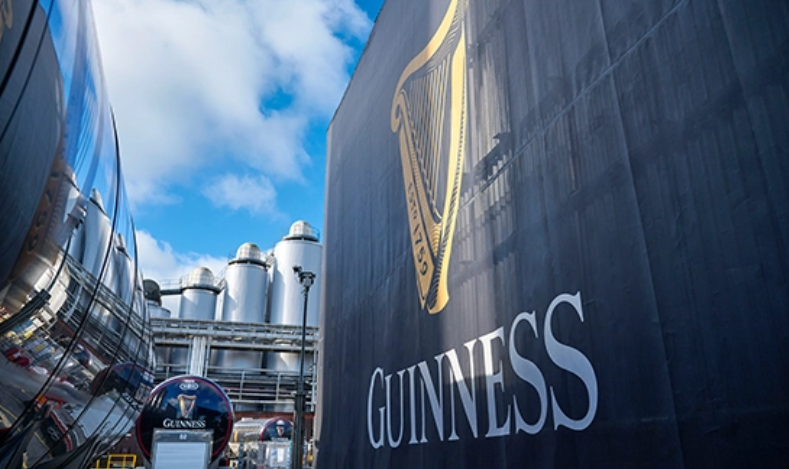
Diageo is being taken to court by a couple who claimed soot from the company’s nearby distillery left their house covered in a black fungus.
The landmark case will see Thomas and Gail Chalmers sue the alcohol giant in March 2025 – a decade after dark soot first covered their home in Bonnybridge, Falkirk, reported The Times.
The couple, who live near nine Diageo warehouses, first filed a lawsuit against the FMCG giant in 2014, and again in 2017 when they filed for £40,000 in damages to their property.
Last year the Chalmers won the right to sue, before defending an appeal in January this year by Diageo – who owns popular drinks brands including Johnnie Walker, Smirnoff and Guinness – attempting to have the case dismissed.
Lord justice clerk Lady Dorrian who presided over the appeal, criticised the “lengthy and lamentable procedural history to the action”, and rejected Diageo’s appeal on the basis that the FMCG‘s case was “irrelevant and lacking in specification”.
A spokesperson for Diageo told Grocery Gazette: “While disappointed with the decision taken by the court in January, we will continue to defend ourselves vigorously in these proceedings.”
Subscribe to Grocery Gazette for free
Sign up here to get the latest grocery and food news each morning
Assisting Balfour and Manson, Hugh James partner Neil Stockdale said: “This a significant case for the many hundreds of households in proximity to whisky bonds across Scotland.
“We are pleased to see the case finally listed for trial following several years of procedural wrangling between the parties.”
The claimants are only one of hundreds in Scotland who have claimed Scotch distilleries have caused fungus Baudoinia compniacensis to cover their property, as the fungus feeds on alcohol vapours — dubbed ‘angel’s share’ — from maturing casks of Scotch.
Residents in communities such as Dumbarton, Leven, Kilmarnock and Shieldhall in Glasgow, have complained about the “velvet black crust” or the “viscous” like substance for years, which is thought to be caused due to the alcohol vapours evaporating from whiskey casks while they are warehoused for ageing.
If the Chalmers are successful, the case is understood to represent a landmark ruling that will deal a great blow to the alcohol industry, which is currently facing residents around the world near distillery plants complaining about the invasive fungus.
In the US, bourbon manufacturers Jack Daniel’s were forced to halt building of a site after locals complained about needing relief from the sooty blight covering their properties.