
Tesco and Sainsbury’s set to benefit as Aldi and Lidl expansion slows
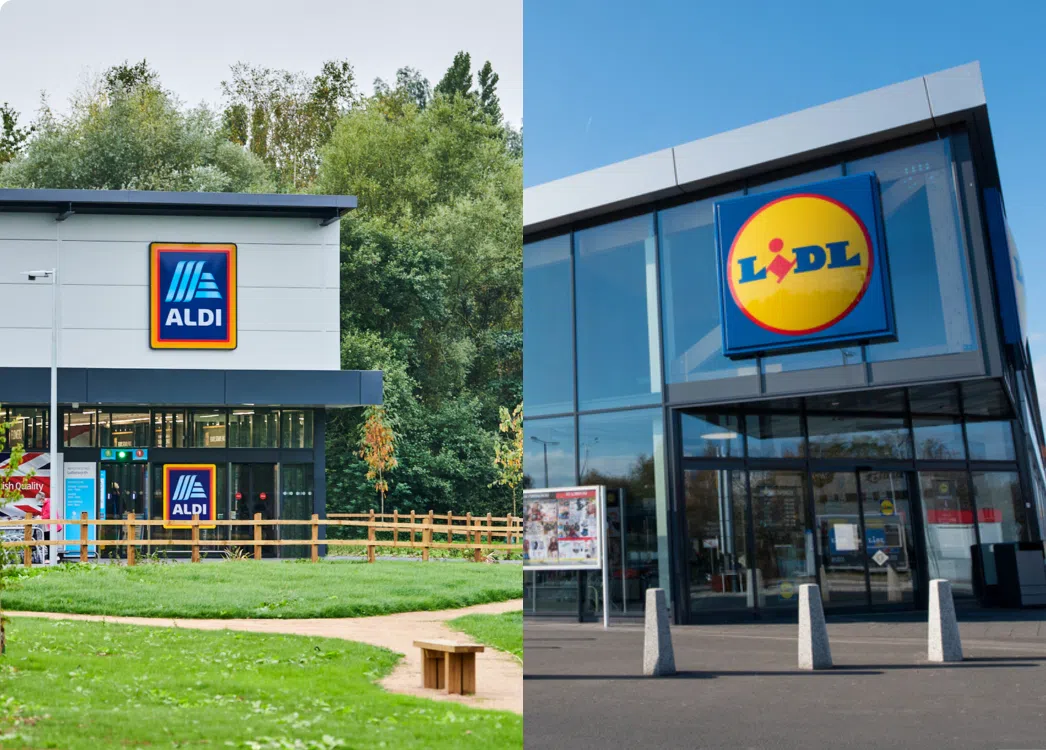
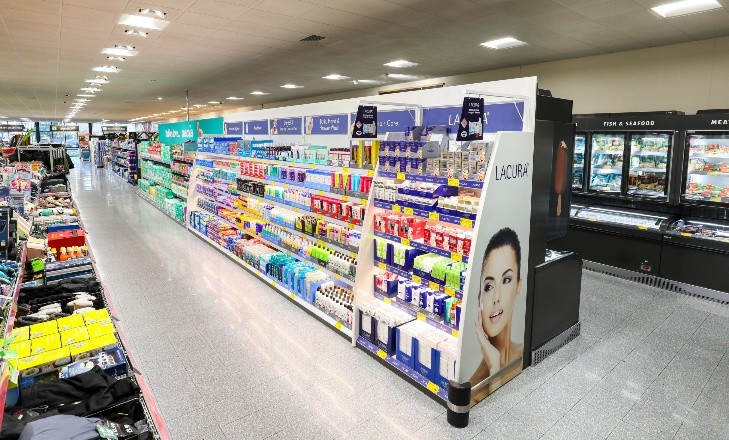
Tesco and Sainsbury’s could gain a competitive advantage as Aldi and Lidl slow their UK store expansion, according to new research from investment bank UBS.
The discounters, which have rapidly expanded their presence across Britain’s grocery market over the past decade, are now opening stores at a significantly slower pace, potentially easing competitive pressure on the UK’s two largest supermarkets.
UBS analysts Sreedhar Mahamkali and Angelo Mangieri found that UK grocery store growth reached just 1.3 per cent in the third quarter of 2026, compared with a pre-pandemic average of 2.6 per cent.
Aldi’s store network grew by 3.3 per cent, down from 4.3 per cent at the beginning of the year and well below its historical expansion rate of approximately seven per cent.
Meanwhile, Lidl recorded growth of 3.4 per cent, continuing a slowdown in its store opening programme since 2023.
The research suggests both discounters are facing increasing challenges in securing suitable locations for new stores. Competition for retail park space remains intense, while existing store networks are becoming increasingly saturated.
UBS found that 87 per cent of Aldi stores now face competition from another Aldi location, compared with 72 per cent in 2012. Lidl has experienced a similar increase, with the figure rising from 73 per cent to 85 per cent.
The findings suggest that further expansion could increasingly result in new stores competing for customers with existing branches.
Both retailers are also facing additional regulatory requirements after the Competition and Markets Authority (CMA) designated Aldi and Lidl as large grocery retailers in October.
The decision brings both discounters under the same land agreement rules as Britain’s major supermarket chains, restricting arrangements that could prevent rival retailers from opening nearby.
Tesco and Sainsbury’s strengthen price competition
UBS believes the slowdown could create a more favourable trading environment for Tesco and Sainsbury’s, which have invested heavily in pricing initiatives to defend their market positions.
Tesco expanded its Aldi Price Match scheme to more than 900 products in September, up from approximately 600 at the beginning of 2026.
Sainsbury’s maintained around 750 price-matched products, reinforcing its efforts to attract value-conscious shoppers.
The investment bank also highlighted Tesco’s competitive pricing and growing retail media operations as strengths, while Sainsbury’s increased focus on its core grocery business could support future performance.
However, Aldi and Lidl remain formidable competitors on price. Independent research from consumer group Which? has continued to identify the discounters among Britain’s cheapest supermarkets, even when loyalty discounts are taken into account.
UBS expects Aldi and Lidl to place greater emphasis on profitability rather than continuing the aggressive store expansion programmes that previously drove their market share gains.
Aldi reported an operating margin of 2.5 per cent for its 2025 financial year, down approximately 0.15 percentage points, while Lidl achieved its strongest margin in seven years at 2.8 per cent.
The analysts maintained their Buy ratings on both Tesco and Sainsbury’s, suggesting that slower discounter expansion, combined with continued investment in competitive pricing, could strengthen the supermarkets’ medium-term prospects.
Sign up here to get the latest grocery and food news each morning