
Russia denies involvement in cyberattacks on supermarket fridges across Europe

News

Russia has denied involvement in a wave of cyberattacks targeting supermarket refrigeration systems across Europe, which have forced retailers to throw away millions of pounds worth of fresh and frozen food.

The attacks saw hackers remotely access temperature controls at grocery stores, raising temperatures in fridges and freezers to as high as 55°C and causing widespread disruption.

Retailers across several European countries, including Belgium, Sweden, Ireland and France, have been affected, with some stores forced to remove chilled and frozen products from sale.

Kremlin spokesperson Dmitry Peskov dismissed allegations of Russian involvement as “absurd”, insisting there was no evidence linking Moscow to the incidents.

The denial comes after two pro-Russian hacking groups, NoName057(16) and Z-Pentest Alliance, claimed responsibility for the attacks in posts on Telegram, which were subsequently deleted.

However, cybersecurity experts have warned that the groups’ claims have not been independently verified, while authorities have yet to formally identify those responsible.

Among the retailers affected are Carrefour and Delhaize in Belgium, alongside Swedish supermarket chains Coop and ICA.

In Ireland, 13 SuperValu stores were impacted, forcing the removal of chilled and frozen products before the issue was resolved.

The attacks have also reached the UK, where three meat suppliers were targeted through vulnerabilities in their refrigeration control systems, although no stock losses were reported.

The latest incidents follow a similar cyberattack in France last month, when refrigeration systems at hundreds of supermarkets were compromised, resulting in significant food losses.

Cybersecurity specialists believe attackers have been exploiting weaknesses in internet-connected refrigeration controllers, allowing them to manipulate temperatures remotely.

The incidents have raised concerns about the vulnerability of supermarket infrastructure, particularly as retailers increasingly rely on connected technology to monitor refrigeration and manage energy consumption.

US authorities have also warned of an ongoing threat to industrial refrigeration systems, urging businesses to strengthen cybersecurity measures, install software updates and restrict public internet access to temperature controls.

While Russia has rejected suggestions of its involvement, investigations into the attacks remain ongoing.

Sign up here to get the latest grocery and food news each morning

News

Leave a Reply

Your email address will not be published. Required fields are marked *

Fill out this field
Fill out this field
Please enter a valid email address.

News

Share:

Russia denies involvement in cyberattacks on supermarket fridges across Europe
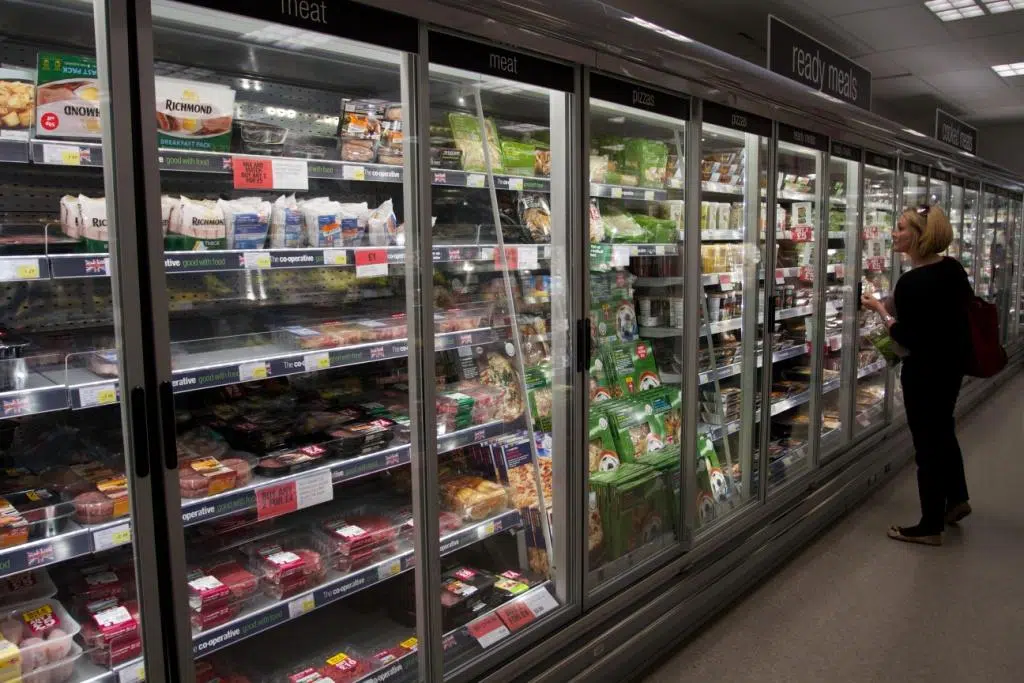
Russia has denied involvement in a wave of cyberattacks targeting supermarket refrigeration systems across Europe, which have forced retailers to throw away millions of pounds worth of fresh and frozen food.

The attacks saw hackers remotely access temperature controls at grocery stores, raising temperatures in fridges and freezers to as high as 55°C and causing widespread disruption.

Retailers across several European countries, including Belgium, Sweden, Ireland and France, have been affected, with some stores forced to remove chilled and frozen products from sale.

Kremlin spokesperson Dmitry Peskov dismissed allegations of Russian involvement as “absurd”, insisting there was no evidence linking Moscow to the incidents.

The denial comes after two pro-Russian hacking groups, NoName057(16) and Z-Pentest Alliance, claimed responsibility for the attacks in posts on Telegram, which were subsequently deleted.

However, cybersecurity experts have warned that the groups’ claims have not been independently verified, while authorities have yet to formally identify those responsible.

Among the retailers affected are Carrefour and Delhaize in Belgium, alongside Swedish supermarket chains Coop and ICA.

In Ireland, 13 SuperValu stores were impacted, forcing the removal of chilled and frozen products before the issue was resolved.

The attacks have also reached the UK, where three meat suppliers were targeted through vulnerabilities in their refrigeration control systems, although no stock losses were reported.

The latest incidents follow a similar cyberattack in France last month, when refrigeration systems at hundreds of supermarkets were compromised, resulting in significant food losses.

Cybersecurity specialists believe attackers have been exploiting weaknesses in internet-connected refrigeration controllers, allowing them to manipulate temperatures remotely.

The incidents have raised concerns about the vulnerability of supermarket infrastructure, particularly as retailers increasingly rely on connected technology to monitor refrigeration and manage energy consumption.

US authorities have also warned of an ongoing threat to industrial refrigeration systems, urging businesses to strengthen cybersecurity measures, install software updates and restrict public internet access to temperature controls.

While Russia has rejected suggestions of its involvement, investigations into the attacks remain ongoing.

Sign up here to get the latest grocery and food news each morning

News

Social

SUBSCRIBE TO OUR DAILY NEWSLETTER

  • This field is for validation purposes and should be left unchanged.

Most Read

Most Read

News

Leave a Reply

Your email address will not be published. Required fields are marked *

Fill out this field
Fill out this field
Please enter a valid email address.

RELATED STORIES

Latest Feature

Menu

Please enter the verification code sent to your email: