
M&S urges government to seal EU food deal as Brexit paperwork continues to hit retailers

News

M&S Food boss Alex Freudmann has urged Prime Minister Andy Burnham to secure a long-awaited UK-EU food trade agreement at next month’s summit, warning that Brexit red tape is driving up costs, delaying deliveries and leaving fresh food at risk of going to waste.

His intervention follows confirmation that the UK-EU summit will take place in Brussels on 20 November, with an agreement to remove post-Brexit barriers to food and agricultural trade among the government’s priorities.

Freudmann said the paperwork involved in getting food to M&S stores in Northern Ireland had become unnecessarily burdensome, with shipments now requiring more than 200 documents compared with just one before Brexit.

“A shipment of M&S Food to Northern Ireland used to need one document. Now it needs over 200. That paperwork doesn’t make food any safer, it just makes it slower, more expensive and more likely to go to waste,” he said.

“A deal means fresher food and fuller shelves for our customers, lifting the pressure on the price of the weekly shop. And it means British farmers are able to sell meat, fruit and veg into Europe without the red tape.

“The sooner this agreement is signed, the better. 20 November is the moment finally to get the deal done.”

The retailer has long been vocal about the impact of post-Brexit trading arrangements on its food operations, particularly the additional checks and certification required to move fresh produce across the Irish Sea.

M&S previously revealed that around 7,000 products destined for its Irish stores required export health certificates, with veterinary sign-offs alone costing the business more than £1m annually.

It has also warned that additional paperwork and delays have restricted the products it can sell in Ireland, leaving some fresh foods unable to make the journey at all.

The proposed sanitary and phytosanitary agreement, first announced as part of the UK-EU reset in May 2025, is intended to remove many of those barriers by bringing British food safety and agricultural standards into closer alignment with EU rules.

Under the plans, routine export health certificates and many border checks on food and agricultural products would be removed, making it easier for supermarkets and suppliers to move goods between Great Britain, Northern Ireland and the EU.

The government estimates that removing export health certificates alone could save businesses up to £200 per consignment, with potentially much larger savings for mixed loads containing different animal products.

However, negotiations have yet to be completed, with questions remaining over the extent to which Britain will be required to follow future EU regulations covering areas such as pesticides, animal health and food production.

The prospect of closer regulatory alignment has prompted concerns over the implications for some British farmers and growers, particularly where domestic agricultural standards or approved products differ from those permitted in the EU.

The government has said it wants the agreement to take effect in mid-2027, although that timetable remains dependent on the outcome of negotiations and the necessary legislative processes.

Burnham, who is seeking to deepen economic ties with Brussels, has identified removing barriers to food trade as one of his priorities for the November summit.

Sign up here to get the latest grocery and food news each morning

News

Leave a Reply

Your email address will not be published. Required fields are marked *

Fill out this field
Fill out this field
Please enter a valid email address.

News

Share:

M&S urges government to seal EU food deal as Brexit paperwork continues to hit retailers
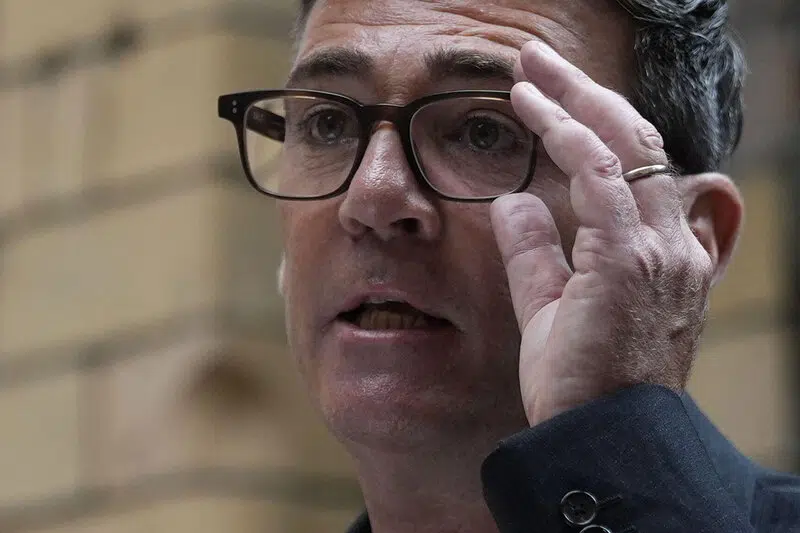
M&S Food boss Alex Freudmann has urged Prime Minister Andy Burnham to secure a long-awaited UK-EU food trade agreement at next month’s summit, warning that Brexit red tape is driving up costs, delaying deliveries and leaving fresh food at risk of going to waste.

His intervention follows confirmation that the UK-EU summit will take place in Brussels on 20 November, with an agreement to remove post-Brexit barriers to food and agricultural trade among the government’s priorities.

Freudmann said the paperwork involved in getting food to M&S stores in Northern Ireland had become unnecessarily burdensome, with shipments now requiring more than 200 documents compared with just one before Brexit.

“A shipment of M&S Food to Northern Ireland used to need one document. Now it needs over 200. That paperwork doesn’t make food any safer, it just makes it slower, more expensive and more likely to go to waste,” he said.

“A deal means fresher food and fuller shelves for our customers, lifting the pressure on the price of the weekly shop. And it means British farmers are able to sell meat, fruit and veg into Europe without the red tape.

“The sooner this agreement is signed, the better. 20 November is the moment finally to get the deal done.”

The retailer has long been vocal about the impact of post-Brexit trading arrangements on its food operations, particularly the additional checks and certification required to move fresh produce across the Irish Sea.

M&S previously revealed that around 7,000 products destined for its Irish stores required export health certificates, with veterinary sign-offs alone costing the business more than £1m annually.

It has also warned that additional paperwork and delays have restricted the products it can sell in Ireland, leaving some fresh foods unable to make the journey at all.

The proposed sanitary and phytosanitary agreement, first announced as part of the UK-EU reset in May 2025, is intended to remove many of those barriers by bringing British food safety and agricultural standards into closer alignment with EU rules.

Under the plans, routine export health certificates and many border checks on food and agricultural products would be removed, making it easier for supermarkets and suppliers to move goods between Great Britain, Northern Ireland and the EU.

The government estimates that removing export health certificates alone could save businesses up to £200 per consignment, with potentially much larger savings for mixed loads containing different animal products.

However, negotiations have yet to be completed, with questions remaining over the extent to which Britain will be required to follow future EU regulations covering areas such as pesticides, animal health and food production.

The prospect of closer regulatory alignment has prompted concerns over the implications for some British farmers and growers, particularly where domestic agricultural standards or approved products differ from those permitted in the EU.

The government has said it wants the agreement to take effect in mid-2027, although that timetable remains dependent on the outcome of negotiations and the necessary legislative processes.

Burnham, who is seeking to deepen economic ties with Brussels, has identified removing barriers to food trade as one of his priorities for the November summit.

Sign up here to get the latest grocery and food news each morning

News

Social

SUBSCRIBE TO OUR DAILY NEWSLETTER

  • This field is for validation purposes and should be left unchanged.

Most Read

Most Read

News

Leave a Reply

Your email address will not be published. Required fields are marked *

Fill out this field
Fill out this field
Please enter a valid email address.

RELATED STORIES

Latest Feature

Menu

Please enter the verification code sent to your email: