
How heritage food brands are fighting a battle they can’t win on familiarity alone

Features

Heritage food and drink brands face a difficult balancing act. Their longevity gives them recognition, trust and a rich store of memories that newcomers must build from scratch.

Yet familiarity – or trading on nostalgia alone – is not enough for enduring success. The challenge is to preserve cues people know and love while giving today’s consumers compelling reasons to choose the brand, writes Ed Hayes, chief strategy officer, Bloom. 

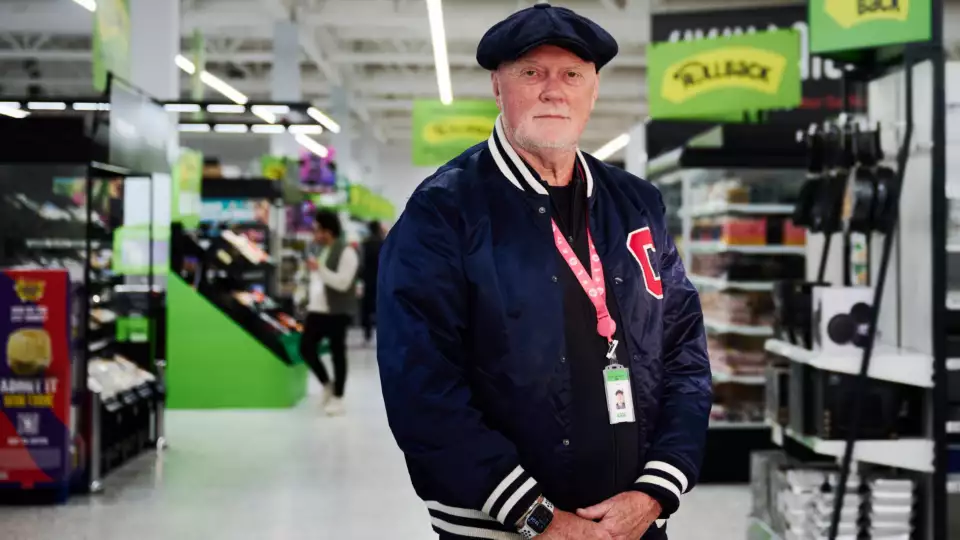
Ed Hayes, chief strategy officer, Bloom

Without that relevance, they risk becoming simply ‘my dad’s drink’ or ‘my mum’s food’. 

The task is not to choose between heritage and modernity, but to make them work together. Today’s heritage brands need to think ‘reinvented’ rather than ‘reproduced’, leveraging innovation and brand to stay ahead. Here’s how… 

Focus on culture 

Start with looking beyond the category, toward wider culture – how people are living their lives, and the cultural shifts that drive their behaviours. Consumers snacking more due to their increasingly eclectic lifestyles; more experimental cooking, with people turning to social media for recipes, food hacks and inspiration. There’s an opportunity for legacy brands to lean into these shifts to grow cultural relevance. 

For example, we recently helped heritage British meat brand Mattessons develop a new brand strategy around the insight that eating habits are becoming more fluid, more globally inspired and less tied to the notion of meat as the centrepiece of a meal. Instead, consumers increasingly use it to add flavour, richness and texture. This informed the entire approach to a rebrand that reimagined everything from tone of voice and communication to visual identity.  

Or it could be around something more transient like what people are interacting with on social media. Look at how Heinz collaborated with Absolut on a vodka tomato sauce, translating a viral food trend into a ready-made grocery product, and helping to turbocharge sales by 50 per cent. The point is not novelty for its own sake, but a brand using its familiar equities to participate credibly in a new cultural conversation. 

In both cases, the opportunity is not simply to follow a trend, but to identify a meaningful shift in behaviour and translate it through the brand in a way that feels both timely and recognisable. 


Subscribe to Grocery Gazette for free

Sign up here to get the latest grocery and food news each morning


Own the occasion 

Innovation doesn’t always require a new product or a wholly new identity; it can come from giving an established brand a new role in people’s routines.  

For Mattessons, that meant reframing its products as versatile ingredients. The brand’s heritage had always been rooted in innovation, bringing continental meats to the UK as early as the 1940s and pioneering pre-packaged cooked meats. This focus on innovation gave the brand permission to respond to new behaviours and move away from behaving more like a static brand – reigniting its legacy of innovation to make its essence relevant today. 

The shift opened up more recipes, more eating occasions and a more contemporary role for the brand, and forming a new foundation for future innovation.  

Sharpen the familiar with freshness 

As well as identifying where a legacy brand can become more relevant, brand’s role here is to make this relevance and freshness immediately legible, while retaining the familiar. To translate this relevance into how the brand shows up in the world. Visual identity should amplify the existing cues people value, then sharpen them with an expression that belongs unmistakably to the present. 

Greene King did this with its craft beer packaging. The designs draw on the brewery’s historic world – monks, monarchs and medieval motifs. But those are wrapped in neon colour and a more irreverent visual language. The heritage remains but is made energetic enough to command attention in a contemporary craft beer aisle – and the launch of the beers led to the brewery’s craft beer portfolio surging by 37 per cent year-on-year to become the fourth-largest craft brewer in the UK.  

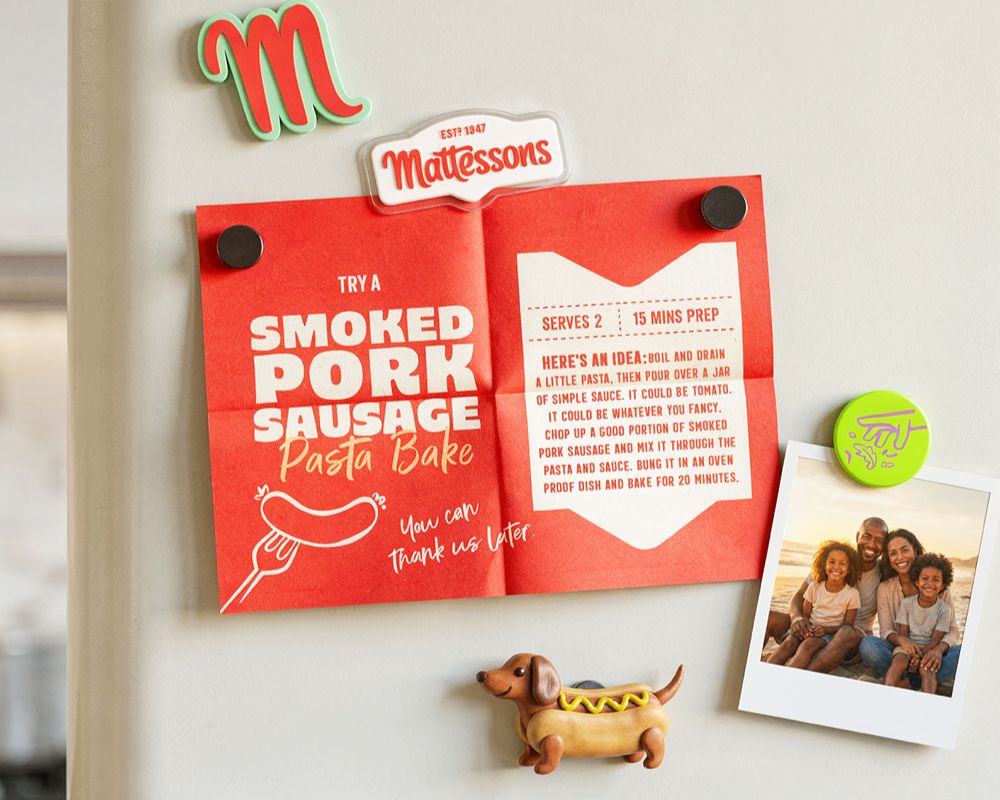
Mattessons also shows how this balance can work. Its new visual expression dials up the brands convenience, and moved beyond the reds and browns of traditional meat branding to a brighter palette of yellow, orange and green. By borrowing the contemporary codes of mainstream cooking culture (like local deli-style tickets), rather than ‘slow and traditional’ butchery, the identity communicates the brand’s more versatile role while retaining the recognisable product at its heart.  

Heritage in F&B is about using your head start, a store of recognition and affection, and turning it into relevance. The brands that prosper will keep their distinctive core, read culture closely and provide the experiences that people are looking for. Being longstanding on its own will never be advantage enough. Remaining useful is how you truly make the most of new opportunities. 

Features

Leave a Reply

Your email address will not be published. Required fields are marked *

Fill out this field
Fill out this field
Please enter a valid email address.

Features

Share:

How heritage food brands are fighting a battle they can’t win on familiarity alone
Heritage food and drink brands face a difficult balancing act. Their longevity gives them recognition, trust and a rich store of memories that newcomers must build from scratch.

Yet familiarity – or trading on nostalgia alone – is not enough for enduring success. The challenge is to preserve cues people know and love while giving today’s consumers compelling reasons to choose the brand, writes Ed Hayes, chief strategy officer, Bloom. 

Ed Hayes, chief strategy officer, Bloom

Without that relevance, they risk becoming simply ‘my dad’s drink’ or ‘my mum’s food’. 

The task is not to choose between heritage and modernity, but to make them work together. Today’s heritage brands need to think ‘reinvented’ rather than ‘reproduced’, leveraging innovation and brand to stay ahead. Here’s how… 

Focus on culture 

Start with looking beyond the category, toward wider culture – how people are living their lives, and the cultural shifts that drive their behaviours. Consumers snacking more due to their increasingly eclectic lifestyles; more experimental cooking, with people turning to social media for recipes, food hacks and inspiration. There’s an opportunity for legacy brands to lean into these shifts to grow cultural relevance. 

For example, we recently helped heritage British meat brand Mattessons develop a new brand strategy around the insight that eating habits are becoming more fluid, more globally inspired and less tied to the notion of meat as the centrepiece of a meal. Instead, consumers increasingly use it to add flavour, richness and texture. This informed the entire approach to a rebrand that reimagined everything from tone of voice and communication to visual identity.  

Or it could be around something more transient like what people are interacting with on social media. Look at how Heinz collaborated with Absolut on a vodka tomato sauce, translating a viral food trend into a ready-made grocery product, and helping to turbocharge sales by 50 per cent. The point is not novelty for its own sake, but a brand using its familiar equities to participate credibly in a new cultural conversation. 

In both cases, the opportunity is not simply to follow a trend, but to identify a meaningful shift in behaviour and translate it through the brand in a way that feels both timely and recognisable. 


Subscribe to Grocery Gazette for free

Sign up here to get the latest grocery and food news each morning


Own the occasion 

Innovation doesn’t always require a new product or a wholly new identity; it can come from giving an established brand a new role in people’s routines.  

For Mattessons, that meant reframing its products as versatile ingredients. The brand’s heritage had always been rooted in innovation, bringing continental meats to the UK as early as the 1940s and pioneering pre-packaged cooked meats. This focus on innovation gave the brand permission to respond to new behaviours and move away from behaving more like a static brand – reigniting its legacy of innovation to make its essence relevant today. 

The shift opened up more recipes, more eating occasions and a more contemporary role for the brand, and forming a new foundation for future innovation.  

Sharpen the familiar with freshness 

As well as identifying where a legacy brand can become more relevant, brand’s role here is to make this relevance and freshness immediately legible, while retaining the familiar. To translate this relevance into how the brand shows up in the world. Visual identity should amplify the existing cues people value, then sharpen them with an expression that belongs unmistakably to the present. 

Greene King did this with its craft beer packaging. The designs draw on the brewery’s historic world – monks, monarchs and medieval motifs. But those are wrapped in neon colour and a more irreverent visual language. The heritage remains but is made energetic enough to command attention in a contemporary craft beer aisle – and the launch of the beers led to the brewery’s craft beer portfolio surging by 37 per cent year-on-year to become the fourth-largest craft brewer in the UK.  

Mattessons also shows how this balance can work. Its new visual expression dials up the brands convenience, and moved beyond the reds and browns of traditional meat branding to a brighter palette of yellow, orange and green. By borrowing the contemporary codes of mainstream cooking culture (like local deli-style tickets), rather than ‘slow and traditional’ butchery, the identity communicates the brand’s more versatile role while retaining the recognisable product at its heart.  

Heritage in F&B is about using your head start, a store of recognition and affection, and turning it into relevance. The brands that prosper will keep their distinctive core, read culture closely and provide the experiences that people are looking for. Being longstanding on its own will never be advantage enough. Remaining useful is how you truly make the most of new opportunities. 

Features

Social

SUBSCRIBE TO OUR DAILY NEWSLETTER

  • This field is for validation purposes and should be left unchanged.

Most Read

Most Read

Features

Leave a Reply

Your email address will not be published. Required fields are marked *

Fill out this field
Fill out this field
Please enter a valid email address.

RELATED STORIES

Latest Feature

Menu

Please enter the verification code sent to your email: