
Asda in “foothills of recovery”, according to executive chairman

Asda
FeaturesSupermarkets

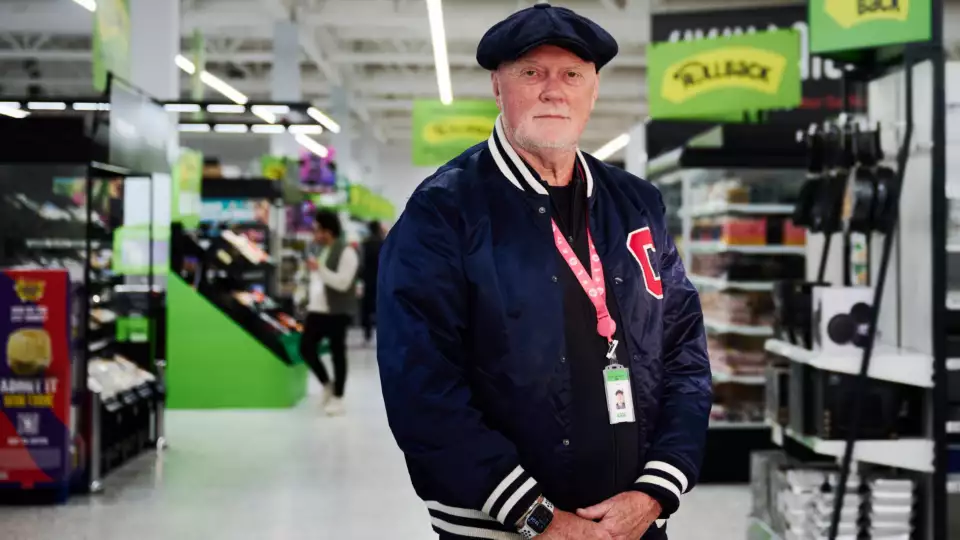
Asda has returned to like-for-like sales growth for the first time in more than two years, as executive chairman Allan Leighton said the supermarket was in the “foothills of recovery and possibility” but warned there was still “a lot to do”.

The grocer said revenue including fuel rose 2.1 per cent year on year in the seven weeks to 18 August, while ex-fuel like-for-like sales edged up 0.2 per cent. Food like-for-like sales increased 0.7 per cent, marking a return to growth after more than two years of decline.

Speaking after the results, Leighton said the update represented “quite an important milestone in the business, even though a small one, because we got the business back into growth”.

“I’ve always said, and we still are on, this is a three to five-year turnaround,” he said. “We’re about a third of the way through it.”

Asda’s second-quarter performance remained negative, with revenue including fuel up 0.4 per cent to £6.5bn and revenue excluding fuel at £5.1bn. Like-for-like sales were down 2.3 per cent in the quarter, while food like-for-like sales fell 1.9 per cent. Market share was stable at 11.5 per cent.

Asda stressed its improving performance was supported by a stronger customer offer, including upgraded fresh and frozen ranges

Leighton said Asda’s improving trading showed the gap to the wider market was narrowing. “If our like-for-like sales were down in Q2 at 1.9 and they’re up currently 0.7, then there’s been a two-point swing somewhere, and that will have come from somebody.”

The retailer said the improvement had been supported by a stronger customer offer, including upgraded fresh and frozen ranges, more than 400 new products, the extension of its Rewards loyalty programme to Express stores and the launch of a Rewards fuel saver bonus.

Asda also pointed to its price credentials, having retained The Grocer 33 annual pricing award and topped every Which? branded groceries price comparison since the measure launched in April.

Leighton rejected suggestions the results were a vindication of the strategy, saying the turnaround was progressing broadly as expected. “The last time we did this, it took four years. It didn’t take four minutes,” he said. “Scale businesses doing like £20bn, they take time.”

He added: “There’s no vindication here. I’m not doing it for vindication. We’re doing it because this potentially is a great business. It was a great business. I want it to be that again.”


Subscribe to Grocery Gazette for free

Sign up here to get the latest grocery and food news each morning


Stores, online and convenience to drive next phase

Leighton said the next stage of the turnaround would depend heavily on “day to day execution of the basics”, including availability, pricing, promotions and store-level standards.

“The more consistent we are on that, the better we become,” he said. “Our availability position has transformed itself over this period of time.”

Asda is also investing in its estate, with Leighton saying the retailer was “touching 129 of our stores this year in some way, shape, or form” as part of a multi-year programme to improve the physical shopping environment.

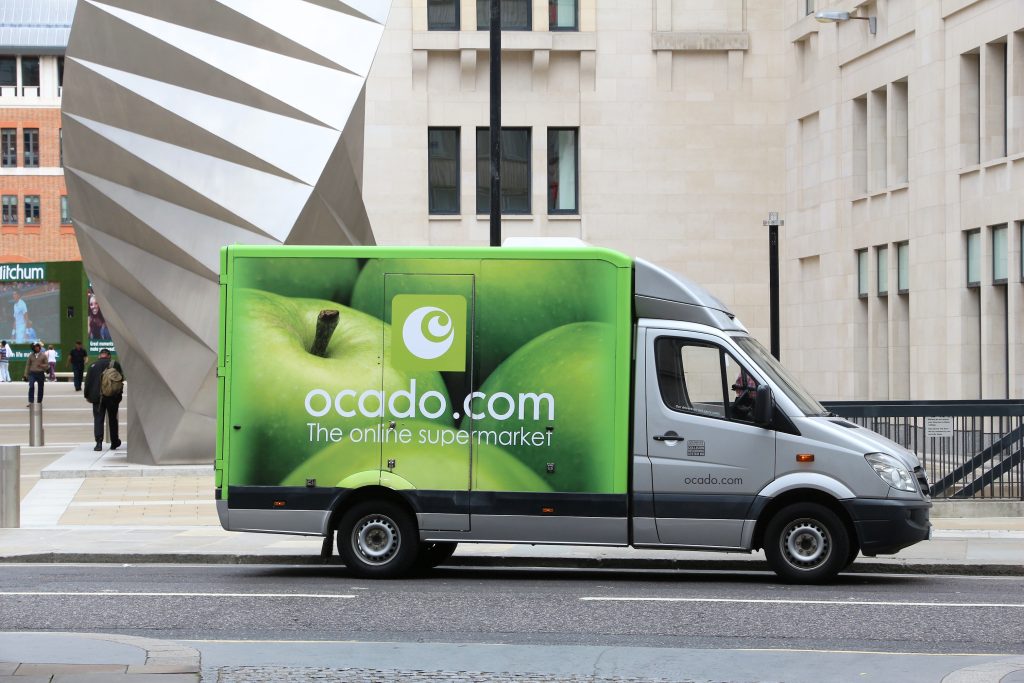
Online remains a key focus area. Leighton said Asda had “underperformed on online relative to everybody else”, but added that performance was beginning to improve and that its Ocado partnership would be “a step change”.

He also highlighted fuel and Express as important growth levers, noting that fuel accounted for around 20 per cent of Asda’s business. “The basics are going to be 80% of it, and the other activities are going to be 20 per cent on the top of it,” he said. “But as you know, it’s day by day, store by store. That’s how it works.”

Asda was crowned “the freshest supermarket” in a Which? survey in August, with perishable items that had use-by dates averaging 11 days from delivery

Freshness push

Responding to a question on whether freshness could become a key differentiator, Leighton said Asda was pleased to have come top in Which? research on fresh food but stressed that grocery performance was never about “one thing”.

“If you had great fresh products but poor availability and poor pricing, it’s not,” he noted. “In retail, in grocery, it’s never one thing. It’s always a combination of things.”

Leighton explained work under Asda’s “Take a Fresh Look” programme had included restoring greengrocers and shortening the time between depots and stores, adding that freshness was “a result of a major piece of work” to improve produce.

Convenience opportunity

Leighton also pointed to Asda’s emerging convenience and wholesale ambitions, including its pilot with Glasgow-based operator One-O-One . While he declined to put formal targets on the opportunity, he said the partnership alone had the potential to reach 50 stores.

“You look at what Tesco are doing, you look at what Morrisons are doing. Obviously this could be a scale business,” he said. “With One-O-One, there’s potential to do 50 stores, and 50 stores are going to be £150m of sales.”

He added that Asda had started the model “not with an eye of let’s do this and we’ll tinker with it”, but with “a plan to grow that business to be something of scale”.

FeaturesSupermarkets

Leave a Reply

Your email address will not be published. Required fields are marked *

Fill out this field
Fill out this field
Please enter a valid email address.

FeaturesSupermarkets

Share:

Asda in “foothills of recovery”, according to executive chairman
Asda

Asda has returned to like-for-like sales growth for the first time in more than two years, as executive chairman Allan Leighton said the supermarket was in the “foothills of recovery and possibility” but warned there was still “a lot to do”.

The grocer said revenue including fuel rose 2.1 per cent year on year in the seven weeks to 18 August, while ex-fuel like-for-like sales edged up 0.2 per cent. Food like-for-like sales increased 0.7 per cent, marking a return to growth after more than two years of decline.

Speaking after the results, Leighton said the update represented “quite an important milestone in the business, even though a small one, because we got the business back into growth”.

“I’ve always said, and we still are on, this is a three to five-year turnaround,” he said. “We’re about a third of the way through it.”

Asda’s second-quarter performance remained negative, with revenue including fuel up 0.4 per cent to £6.5bn and revenue excluding fuel at £5.1bn. Like-for-like sales were down 2.3 per cent in the quarter, while food like-for-like sales fell 1.9 per cent. Market share was stable at 11.5 per cent.
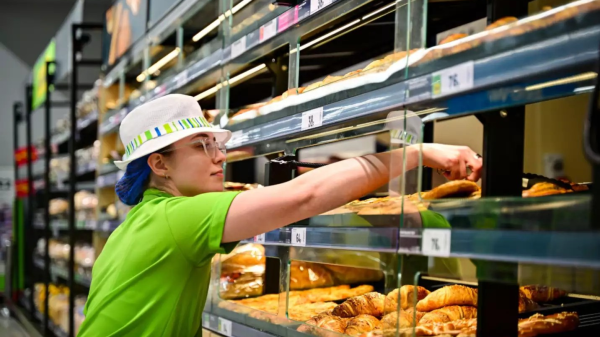
Asda stressed its improving performance was supported by a stronger customer offer, including upgraded fresh and frozen ranges

Leighton said Asda’s improving trading showed the gap to the wider market was narrowing. “If our like-for-like sales were down in Q2 at 1.9 and they’re up currently 0.7, then there’s been a two-point swing somewhere, and that will have come from somebody.”

The retailer said the improvement had been supported by a stronger customer offer, including upgraded fresh and frozen ranges, more than 400 new products, the extension of its Rewards loyalty programme to Express stores and the launch of a Rewards fuel saver bonus.

Asda also pointed to its price credentials, having retained The Grocer 33 annual pricing award and topped every Which? branded groceries price comparison since the measure launched in April.

Leighton rejected suggestions the results were a vindication of the strategy, saying the turnaround was progressing broadly as expected. “The last time we did this, it took four years. It didn’t take four minutes,” he said. “Scale businesses doing like £20bn, they take time.”

He added: “There’s no vindication here. I’m not doing it for vindication. We’re doing it because this potentially is a great business. It was a great business. I want it to be that again.”


Subscribe to Grocery Gazette for free

Sign up here to get the latest grocery and food news each morning


Stores, online and convenience to drive next phase

Leighton said the next stage of the turnaround would depend heavily on “day to day execution of the basics”, including availability, pricing, promotions and store-level standards.

“The more consistent we are on that, the better we become,” he said. “Our availability position has transformed itself over this period of time.”

Asda is also investing in its estate, with Leighton saying the retailer was “touching 129 of our stores this year in some way, shape, or form” as part of a multi-year programme to improve the physical shopping environment.

Online remains a key focus area. Leighton said Asda had “underperformed on online relative to everybody else”, but added that performance was beginning to improve and that its Ocado partnership would be “a step change”.

He also highlighted fuel and Express as important growth levers, noting that fuel accounted for around 20 per cent of Asda’s business. “The basics are going to be 80% of it, and the other activities are going to be 20 per cent on the top of it,” he said. “But as you know, it’s day by day, store by store. That’s how it works.”
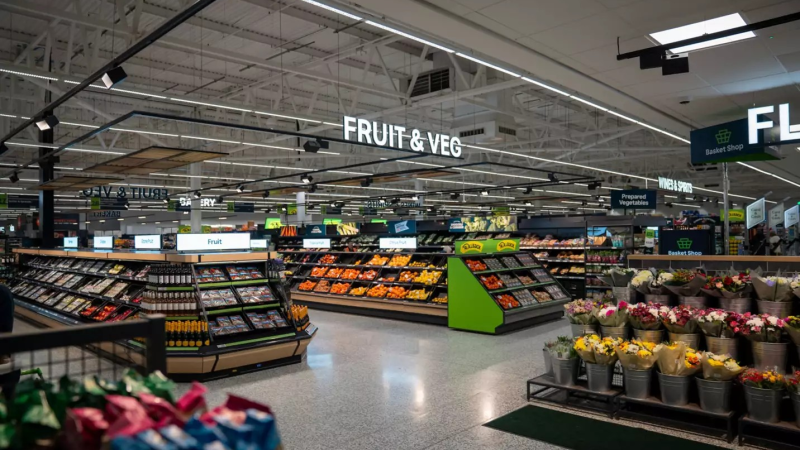
Asda was crowned “the freshest supermarket” in a Which? survey in August, with perishable items that had use-by dates averaging 11 days from delivery

Freshness push

Responding to a question on whether freshness could become a key differentiator, Leighton said Asda was pleased to have come top in Which? research on fresh food but stressed that grocery performance was never about “one thing”.

“If you had great fresh products but poor availability and poor pricing, it’s not,” he noted. “In retail, in grocery, it’s never one thing. It’s always a combination of things.”

Leighton explained work under Asda’s “Take a Fresh Look” programme had included restoring greengrocers and shortening the time between depots and stores, adding that freshness was “a result of a major piece of work” to improve produce.

Convenience opportunity

Leighton also pointed to Asda’s emerging convenience and wholesale ambitions, including its pilot with Glasgow-based operator One-O-One . While he declined to put formal targets on the opportunity, he said the partnership alone had the potential to reach 50 stores.

“You look at what Tesco are doing, you look at what Morrisons are doing. Obviously this could be a scale business,” he said. “With One-O-One, there’s potential to do 50 stores, and 50 stores are going to be £150m of sales.”

He added that Asda had started the model “not with an eye of let’s do this and we’ll tinker with it”, but with “a plan to grow that business to be something of scale”.

FeaturesSupermarkets

Social

SUBSCRIBE TO OUR DAILY NEWSLETTER

  • This field is for validation purposes and should be left unchanged.

Most Read

Most Read

FeaturesSupermarkets

Leave a Reply

Your email address will not be published. Required fields are marked *

Fill out this field
Fill out this field
Please enter a valid email address.

RELATED STORIES

Latest Feature

Menu

Please enter the verification code sent to your email: