Heatwave putting pressure on fruit and veg supplies, warns National Drought Group
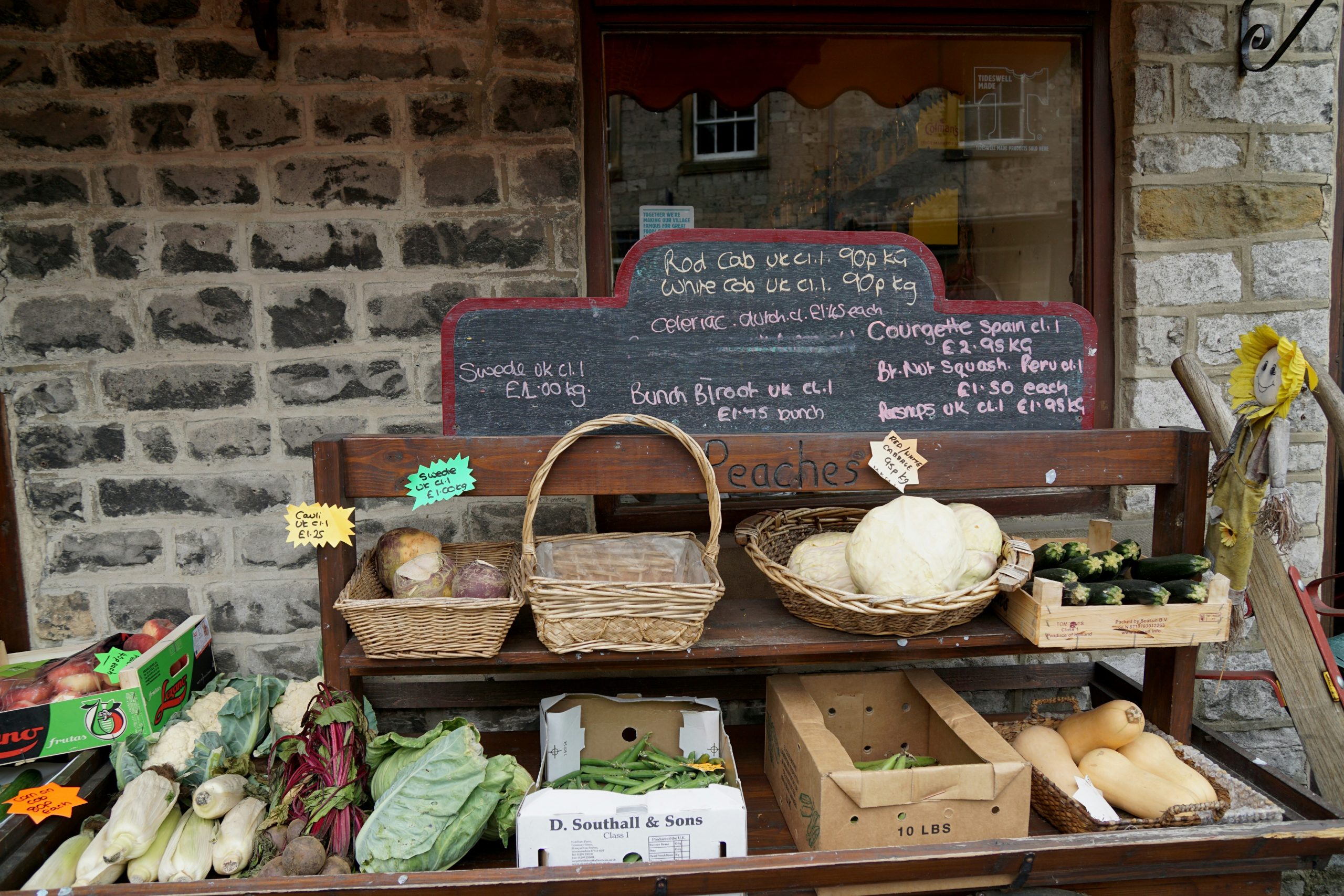
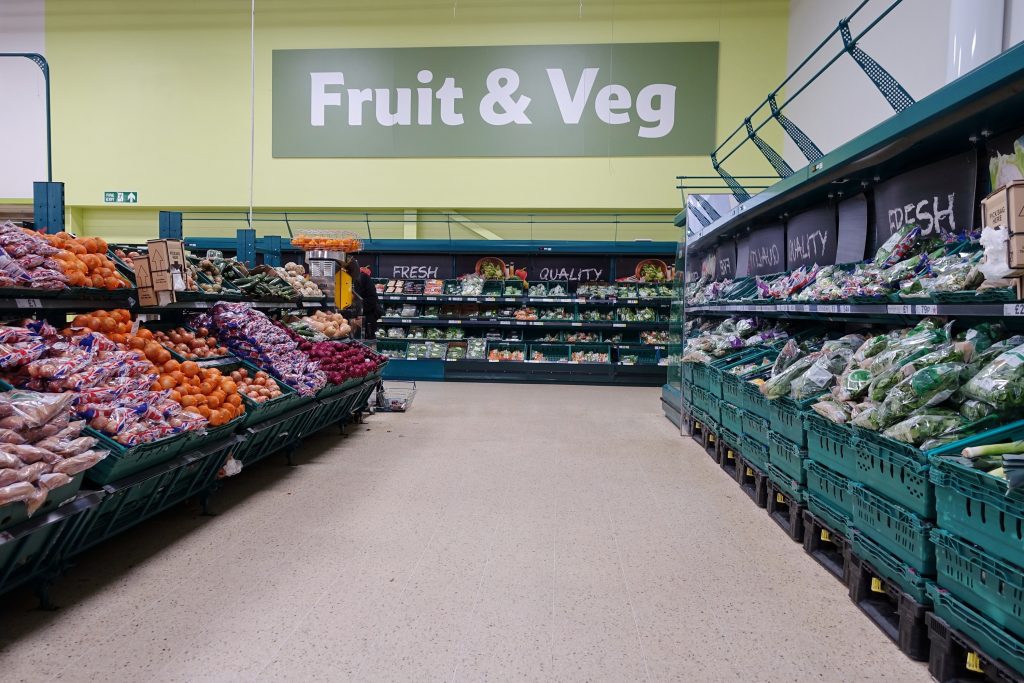
Supermarkets are facing mounting pressure on fresh produce supplies as England’s widening drought and latest heatwave hit fruit and vegetable growers.
Almost three-quarters of England is now in drought, with the East Midlands, Lincolnshire and Northamptonshire, Kent and East Sussex, and Solent and the South Downs among the latest areas to move into drought status.
The National Drought Group warned pressure on water resources is increasing across agriculture, public supplies and the environment. This has raised concerns over the availability, quality and cost of British-grown fruit and vegetables for retailers.
The conditions follow the driest July in 190 years and just 5 per cent of expected rainfall so far this month, with further dry weather and another heatwave forecast. Temperatures are expected to reach the mid-30s in some areas.
Fresh produce is particularly exposed because crops such as brassicas, leafy greens, potatoes, onions, berries, tomatoes and cucumbers rely on consistent rainfall, irrigation and predictable harvesting windows.
Growers are already reporting slower crop growth, uneven sizing and increased pressure on irrigation. Some vegetable crops are entering a dormant state in sustained heat, while soft fruit availability has become less predictable as ripening patterns move between flushes of oversupply and tighter supply.
NFU Deputy President Paul Tompkins said the situation facing farmers and growers was “increasingly concerning”, adding that many growers were working hard to keep fruit and vegetables watered but were struggling to access the water they need.
“Water plays a crucial role in food security and the resilience of our nation,” Tompkins said. “By treating water for food as a strategic priority, government can work with farmers to protect crops, livestock businesses, and the UK’s long-term food security.”
Subscribe to Grocery Gazette for free
Sign up here to get the latest grocery and food news each morning
For supermarkets, the immediate risk is less about empty shelves and more about tighter availability, higher wholesale costs, shorter harvest windows and increased pressure to flex specifications on size, shape and appearance.
Retailers may need to source more produce from overseas to cover gaps in domestic supply, despite the fact that several European growing regions are also experiencing extreme heat and dry weather.
Industry experts have warned that fresh-food counters are likely to show the first signs of disruption because fresh produce supply chains typically carry limited safety stock and products move quickly from grower to distribution centre to store.
Water minister Emma Hardy, who attended the National Drought Group, added: “We know how challenging this summer has been, especially for our hard-working farmers who are at the sharp end of climate change and an increasing number of floods and droughts.
“We are stepping up our support including working to make it easier for farmers to build more on-site irrigation reservoirs. We are also delivering long-term change in the water industry to reduce leaks and deliver nine new reservoirs and water transfer schemes to secure supplies.”
Photo by Beth Macdonald on Unsplash