UK potato crop faces heatwave squeeze as wholesale prices surge 40%

NFU
NewsSupermarketsSuppliersSustainability

British potato growers have warned supermarkets to expect smaller spuds and potentially tighter supplies after prolonged heat and drought disrupted crop growth across the UK.

Potatoes stop developing effectively during extreme heat and require substantial volumes of water throughout the growing season, leaving this year’s crop particularly exposed to record-breaking dry conditions.

Growers said the disruption could result in shorter chips and fewer potatoes reaching the size traditionally sold as baking potatoes when the main crop is harvested during September and October.

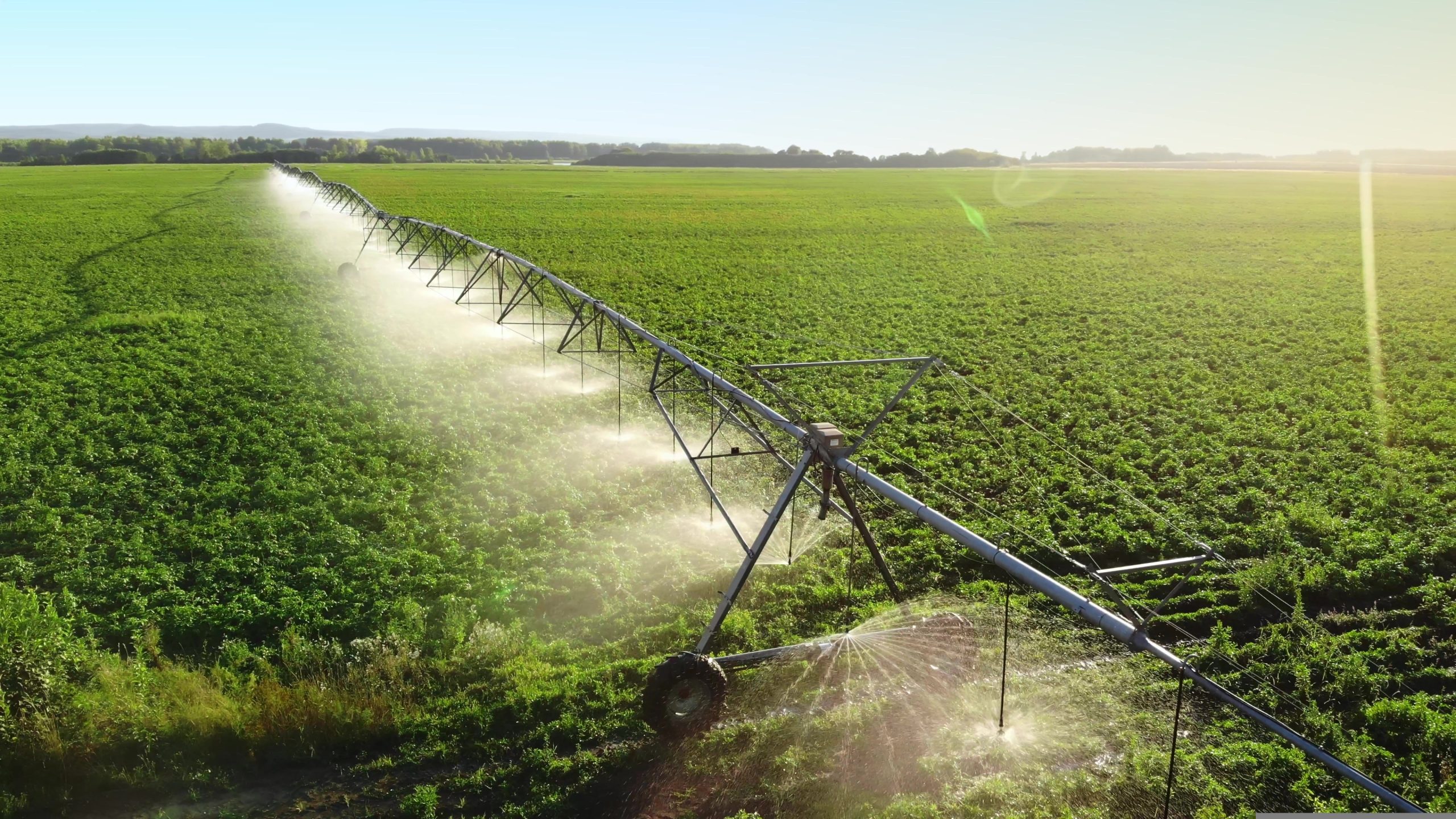
Jim Wayman, of East Anglian potato-growing group 3Ms, which supplies retailers including Marks & Spencer and Aldi, said irrigation had been unable to offset the impact of sustained high temperatures.

He told The Telegraph: “We’ve been chucking water on them, but in this heat they’re not growing.”

Wayman said supermarkets would need to become more flexible about the size specifications they apply to fresh produce, as growers could not guarantee the usual crop dimensions under the current conditions.

Industry body GB Potatoes chief executive Scott Walker said growers were not expecting the same level of production as in recent years, while similar weather across mainland Europe could limit the UK’s ability to compensate through imports.

He said shoppers may need to accept a wider variation in the size of potatoes available in supermarkets later this year.

Wholesale potato prices have already risen by more than 40 per cent, while severe conditions have also pushed up the cost of tomatoes and iceberg lettuce by more than 60 per cent and 90 per cent, respectively.

Supermarkets, wholesalers and hospitality businesses have begun importing greater volumes of some vegetables from Spain and the Netherlands during what would normally be the peak British growing season.

Drought puts irrigation under pressure

Half of England was officially declared to be in drought on 29 July after exceptionally low rainfall and prolonged high temperatures depleted rivers and reservoirs.

Environment Agency data for the week ending 23 July showed that England had received just three per cent of its long-term average monthly rainfall.

River flows were below normal across 84 per cent of monitoring sites, while reservoir storage had fallen to 75.3 per cent, around 7.4 percentage points below the seasonal average.

The agency said 1,353 restrictions had been placed on agricultural water abstraction as irrigation demand continued to rise.

GB Potatoes estimates that a potato crop requires roughly 350mm of water during the growing season, equivalent to approximately 1.4 million litres per acre from rainfall, soil reserves and irrigation combined.

The trade body has called for faster planning and licensing procedures to allow growers to construct reservoirs and store more rainfall during the winter and spring.

Long-term research from the Agriculture and Horticulture Development Board has projected that average irrigation requirements for potatoes could increase by between 14 per cent and 30 per cent as the climate changes.

It warned that future peak demand could exceed the capacity of existing irrigation infrastructure in almost half of years without greater investment in water storage and management.

Imports may offer limited protection

The UK produced 5.5 million tonnes of potatoes in 2025, an increase of 8.5 per cent on the previous year, according to Defra.

However, British production accounted for only 71 per cent of the potatoes required by the domestic market, compared with around 90% at the start of the century.

The country imported almost 2.5 million tonnes of fresh and processed potatoes on a raw-equivalent basis last year.

European supplies may provide less of a safety net in 2026 because growers in the Netherlands, Belgium, Germany and Poland have also experienced extreme heat during the crop’s critical development period.

European yield forecasts have been cut in several major producing markets, increasing the risk of lower output and reduced availability of potatoes suitable for processing.

The immediate impact on supermarket shelf prices remains uncertain, as retailers may absorb some increases or adjust product specifications before passing costs on to shoppers.

However, reduced domestic yields, higher irrigation costs and constrained European availability are likely to put further pressure on supply chains when the main British crop enters the market this autumn.

Sign up here to get the latest grocery and food news each morning

NewsSupermarketsSuppliersSustainability

Leave a Reply

Your email address will not be published. Required fields are marked *

Fill out this field
Fill out this field
Please enter a valid email address.

UK potato crop faces heatwave squeeze as wholesale prices surge 40%
NFU

British potato growers have warned supermarkets to expect smaller spuds and potentially tighter supplies after prolonged heat and drought disrupted crop growth across the UK.

Potatoes stop developing effectively during extreme heat and require substantial volumes of water throughout the growing season, leaving this year’s crop particularly exposed to record-breaking dry conditions.

Growers said the disruption could result in shorter chips and fewer potatoes reaching the size traditionally sold as baking potatoes when the main crop is harvested during September and October.

Jim Wayman, of East Anglian potato-growing group 3Ms, which supplies retailers including Marks & Spencer and Aldi, said irrigation had been unable to offset the impact of sustained high temperatures.

He told The Telegraph: “We’ve been chucking water on them, but in this heat they’re not growing.”

Wayman said supermarkets would need to become more flexible about the size specifications they apply to fresh produce, as growers could not guarantee the usual crop dimensions under the current conditions.

Industry body GB Potatoes chief executive Scott Walker said growers were not expecting the same level of production as in recent years, while similar weather across mainland Europe could limit the UK’s ability to compensate through imports.

He said shoppers may need to accept a wider variation in the size of potatoes available in supermarkets later this year.

Wholesale potato prices have already risen by more than 40 per cent, while severe conditions have also pushed up the cost of tomatoes and iceberg lettuce by more than 60 per cent and 90 per cent, respectively.

Supermarkets, wholesalers and hospitality businesses have begun importing greater volumes of some vegetables from Spain and the Netherlands during what would normally be the peak British growing season.

Drought puts irrigation under pressure

Half of England was officially declared to be in drought on 29 July after exceptionally low rainfall and prolonged high temperatures depleted rivers and reservoirs.

Environment Agency data for the week ending 23 July showed that England had received just three per cent of its long-term average monthly rainfall.

River flows were below normal across 84 per cent of monitoring sites, while reservoir storage had fallen to 75.3 per cent, around 7.4 percentage points below the seasonal average.

The agency said 1,353 restrictions had been placed on agricultural water abstraction as irrigation demand continued to rise.

GB Potatoes estimates that a potato crop requires roughly 350mm of water during the growing season, equivalent to approximately 1.4 million litres per acre from rainfall, soil reserves and irrigation combined.

The trade body has called for faster planning and licensing procedures to allow growers to construct reservoirs and store more rainfall during the winter and spring.

Long-term research from the Agriculture and Horticulture Development Board has projected that average irrigation requirements for potatoes could increase by between 14 per cent and 30 per cent as the climate changes.

It warned that future peak demand could exceed the capacity of existing irrigation infrastructure in almost half of years without greater investment in water storage and management.

Imports may offer limited protection

The UK produced 5.5 million tonnes of potatoes in 2025, an increase of 8.5 per cent on the previous year, according to Defra.

However, British production accounted for only 71 per cent of the potatoes required by the domestic market, compared with around 90% at the start of the century.

The country imported almost 2.5 million tonnes of fresh and processed potatoes on a raw-equivalent basis last year.

European supplies may provide less of a safety net in 2026 because growers in the Netherlands, Belgium, Germany and Poland have also experienced extreme heat during the crop’s critical development period.

European yield forecasts have been cut in several major producing markets, increasing the risk of lower output and reduced availability of potatoes suitable for processing.

The immediate impact on supermarket shelf prices remains uncertain, as retailers may absorb some increases or adjust product specifications before passing costs on to shoppers.

However, reduced domestic yields, higher irrigation costs and constrained European availability are likely to put further pressure on supply chains when the main British crop enters the market this autumn.

Sign up here to get the latest grocery and food news each morning

NewsSupermarketsSuppliersSustainability

Social

SUBSCRIBE TO OUR DAILY NEWSLETTER

  • This field is for validation purposes and should be left unchanged.

Most Read

Most Read

NewsSupermarketsSuppliersSustainability

Leave a Reply

Your email address will not be published. Required fields are marked *

Fill out this field
Fill out this field
Please enter a valid email address.

RELATED STORIES

Latest Feature

Menu

Please enter the verification code sent to your email: