Closing the loyalty gap: how quick-commerce is also earning points
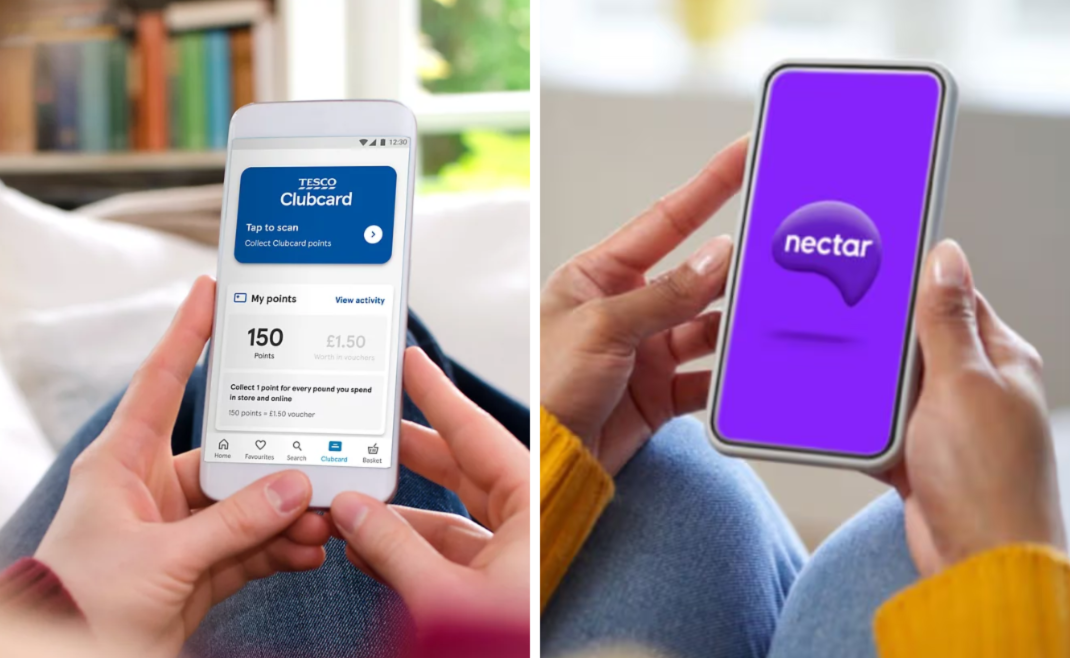
As supermarkets battle to keep shoppers loyal beyond the big shop, their points schemes are expanding into the world of quick-commerce and onto delivery platforms.
Last week, it was announced that Uber Eats customers can earn Nectar points when ordering groceries from Sainsbury’s, as the three businesses grew their rewards partnership.
Customers just need to link their Nectar card to their Uber Eats account before placing an order, after which points will be added automatically on eligible spending. It follows “great success” with Waitrose, Co-op, and Boots loyalty pairings.
Katie Hunter, Uber Eats general manager for grocery & retail in the UK, explains: “To build real customer loyalty in quick-commerce, ordering delivery should feel as rewarding as shopping in-store. That means matching shelf prices where possible and letting customers earn the rewards they already love.”
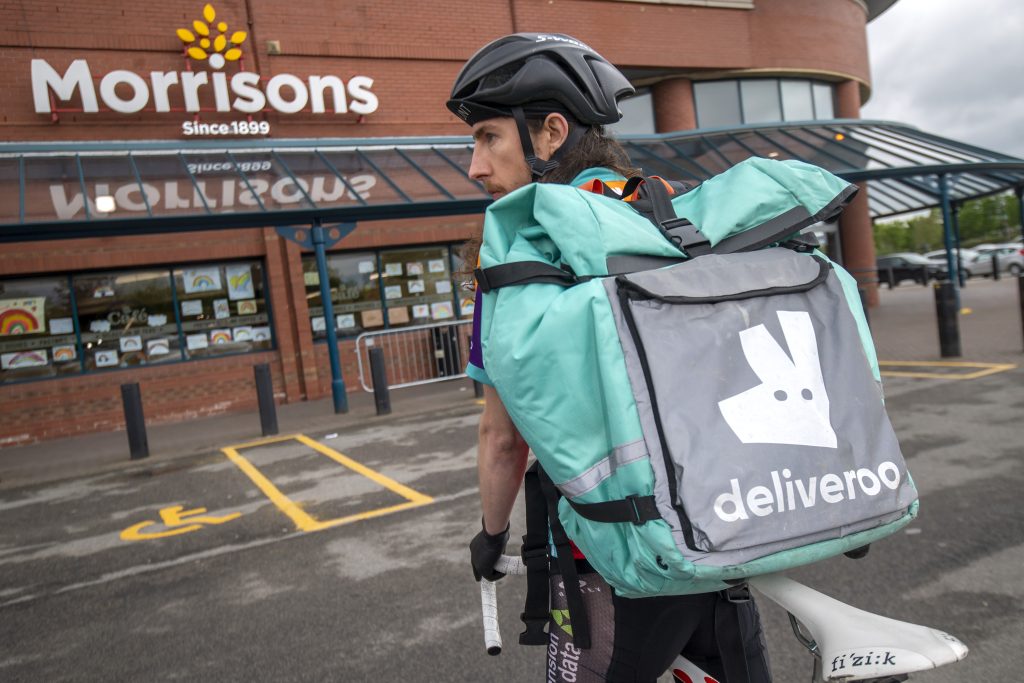
Sainsbury’s had previously rolled out its loyalty programme to Deliveroo customers, with shoppers simply entering their Nectar card number at checkout.
“Consumers are becoming more intentional in how they shop, looking to make every decision work harder for them,” says Suzy McClintock, VP for consumer at Deliveroo.
“That is driving a shift towards models that reward repeat behaviour and make everyday habits feel more worthwhile.”
By combining its retail partnerships with its own loyalty offering, Deliveroo Plus, the platform is positioning on-demand grocery delivery as both a convenience play and a value proposition. This combination gives customers benefits such as free delivery, while encouraging more regular use of the service.
Boost for Tesco Whoosh
Responding to this growing demand for such on-demand delivery of groceries and loyalty points, Tesco plans to add Uber Eats to its q-commerce offering this August, before expanding to the Deliveroo platform later in the summer.
Customers will benefit from Clubcard points and prices when shopping through the apps, as Tesco works to ensure the benefits of its loyalty programme reaches all on-demand customers.
“Whoosh has transformed the way millions of customers shop with Tesco, offering speed, convenience and great value through the power of Clubcard. Launching with Uber Eats and Deliveroo will enable us to bring those benefits to even more customers,” notes Ashwin Prasad, Tesco UK CEO.
Subscribe to Grocery Gazette for free
Sign up here to get the latest grocery and food news each morning
Points mean prizes
For supermarkets, the move marks a shift in how loyalty schemes are being used. Rather than operating as a benefit reserved for shoppers using a grocer’s own stores, website or app, rewards are being treated as portable assets that can follow customers across third-party platforms.
That matters in quick commerce, where consumers may be choosing between several retailers and delivery apps based on speed, availability, fees and promotions. By extending Nectar or Clubcard benefits into Uber Eats and Deliveroo, supermarkets can make their offer feel more familiar and better value.
It also gives brands and retailers a way to protect loyalty. Quick-commerce apps have helped grocers reach shoppers looking for last-minute top-ups, forgotten ingredients or convenience-led missions. But they also risk distancing the retailer from the customer relationship. Loyalty integrations help bridge that gap by keeping the supermarket’s value proposition visible at the point of purchase.
For delivery platforms, the partnerships add another retention lever. Grocery has become a key battleground for these apps as they look beyond take-aways and compete for more frequent household spending.
Adding supermarket rewards gives customers another reason to return. It also makes rapid delivery feel less like a premium convenience purchase and more like part of a normal grocery routine.
For consumer, they can now access fast delivery without feeling they are giving up the discounts, points and personalised prices they receive in-store.
“We know customers don’t want to trade off value for the convenience of doorstep delivery, and expanding these loyalty partnerships is a crucial step to offering both,” adds Hunter.