
Why suppliers are leaving money on the table, and how Salitix is helping them recover it

Features

In grocery, the battle for margin is relentless. Suppliers are under pressure from rising costs, fierce competition, retailer demands and the constant need to invest in promotions, visibility and volume growth.

Yet according to Ben Lewis, chief revenue officer at Salitix, many suppliers are still losing money through something far less dramatic than a failed product launch or a weak negotiation. They’re losing money through everyday trading errors.

Salitix, a specialist profit recovery sales auditor working exclusively with grocery suppliers, exists to find that lost value.

The business audits historic trade and promotional activity between suppliers and retailers, using evidence such as EPOS sales data, email archives and contractual agreements to reconcile what was intended, what was agreed and what actually happened.

Where investment has not been executed as planned, or where a contractual error has occurred, Salitix helps suppliers recover the money owed to them.

“Our USP is easy: frictionless profit recovery,” Lewis says. “We deliver this because we are experts in identifying, quantifying, presenting and negotiating errors that occur during the normal course of business between suppliers and retailers.”

It’s a service built around a simple but often overlooked truth: grocery trading is highly transactional. National account managers and buyers are constantly agreeing promotions, trading terms and commercial investments, often across huge volumes of activity and under significant time pressure.

In that environment, Lewis argues, errors are not unusual.

“There’s an unavoidable background error rate given the volume and scale of activities taking place on a daily basis,” he says.

For suppliers, the problem is that those errors can erode margin. Promotional spend may not deliver what was paid for or agreements may not be executed in the way they were intended. Historical trading information can be difficult to locate, particularly when account managers move on and email trails disappear into old inboxes.

Salitix’s role is to bring order to that complexity.

The company analyses historic trading periods, builds evidence-based claims and presents them in a way that allows suppliers to recover money without turning the process into a commercial dispute.

Lewis says Salitix has been “instrumental in creating the conditions” where suppliers can submit claims to retailers for contract errors and have them repaid “without any commercial friction or noise”.

The process has been helped by the Groceries Supply Code of Practice, or GSCOP, which governs how the UK’s largest grocery retailers deal with suppliers.

Salitix applied its understanding of GSCOP to an area that Lewis says had not previously existed in a standardised or professional context for suppliers – forensic auditing of historic trading activity.

That work helped shape a more formal approach. The Groceries Code Adjudicator has developed a best practice statement on forensic auditing, with insight and input from Salitix, which is signed by all GSCOP-regulated retailers.

For Lewis, this was a major step forward because it created a clearer framework for evidence-based supplier claims.

“Salitix was able to develop and create the standardised way of working with retailers that ensured that evidence-based claims for contractual errors of any kind would be paid back independently of a commercial dialogue about its value, or worth,” he says.

In practical terms, this means a historic claim should be assessed on the evidence of what was agreed and what happened, rather than folded into a negotiation about future trading.

Lewis gives the example of a supplier owed £50,000 for a promotion that was not executed as agreed.

“If Tesco owes your business £50,000 for a promotion that has not been executed as agreed or paid for, they will pay it back to you based on the evidence and on what was agreed, not on the basis of some negotiation based on future trading activity, or relationship,” he says.

“This is what fair trading practices are all about.”

The proposition is particularly valuable in grocery, where branded suppliers are operating in one of the most competitive markets in the world. Margins are scrutinised, investment is heavy and commercial teams are often focused on growth rather than historic reconciliation.

Salitix positions itself as a way to recover value that would otherwise be lost, without upfront cost or commercial disruption.

“It’s a unique value proposition that no supplier should overlook, or be without,” Lewis says. “Salitix delivers pure, net margin back into current trading years with no upfront cost and no commercial cost.”

But Lewis is clear that the benefit isn’t only financial.

By reviewing historic trading activity in detail, Salitix can also identify recurring issues, highlight weaknesses in internal controls and provide insight into how retailers and suppliers interact in practice.

That can give suppliers a clearer view of where their investments are working, where execution is falling short and where processes need to improve.

“Salitix enables a supplier to maximise its profit and enhance its commercial trading insight in a cost positive way,” Lewis says. “You get paid for delivery of the insight in the form of recoveries made that would otherwise be lost.”

Success, he adds, is measured in three ways: “pounds and pence recovered”, systemic issues identified and rectified, and the “complete lack of friction” associated with the process.

A major part of the challenge is data.

Retailers have a structural advantage because their systems control much of the sales data. That data is captured, stored and often commercialised back to suppliers as a tool for understanding future performance.

Suppliers, by contrast, may not always have robust systems for retaining historic trading information.

Lewis says many businesses underestimate the value of old data sets because their commercial focus is understandably on current and future trading.

“Many suppliers do not appreciate the commercial value of historical data sets,” he says. “Retailers have a data advantage because it’s their systems that control the sales data.”

If a supplier wants to challenge what happened in a past trading period, it needs evidence. That might include EPOS data, promotional agreements, contract documentation and email exchanges showing what was intended at the time.

Lewis points to a simple but telling question: how many suppliers could easily access every email sent by a national account manager who left the business three years ago?

For many, the answer would be uncomfortable. Salitix helps suppliers close that gap by collecting, collating and storing the relevant data sets needed to carry out evidence-based reconciliations.

The output is not just a claim but a granular understanding of what happened, why it happened and how the supplier can avoid similar leakage in future.

“This is an invaluable benefit for any supplier that wants to maximise the value of its prospective trading, but is often overlooked or poorly understood,” Lewis says.

Although Salitix has relationships with some GSCOP trainers, including Retail Mind, and uses data sets from SKUTrak where available, Lewis says the company does not operate through formal partnerships. Its model remains focused on its core purpose: acting for suppliers to recover lost profit.

“Hire Salitix if you care about profitability and accuracy,” he says.

But he also urges businesses to look inward. Suppliers should have stronger internal controls for capturing and maintaining historic data, including email archives. They should understand their leverage points and not assume that challenging accepted practice will damage commercial relationships.

Lewis argues that properly evidenced claims, handled through the right process, should not be seen as conflict but a part of fair trading.

“Don’t assume that any sort of challenge you make to what might be perceived as standard, accepted practice will have a negative impact on your commercial goals,” he says. “It won’t.”

Salitix’s argument is that profit recovery should no longer be treated as an afterthought. In a market where every penny counts, historic errors are not just administrative issues. They are recoverable value.

And for suppliers willing to look back as carefully as they look forward, that value could be sitting hidden in plain sight.

To find out more about Salitix, click here – https://salitix.com/

Sign up here to get the latest grocery and food news each morning

Features

Leave a Reply

Your email address will not be published. Required fields are marked *

Fill out this field
Fill out this field
Please enter a valid email address.

Features

Share:

Why suppliers are leaving money on the table, and how Salitix is helping them recover it
In grocery, the battle for margin is relentless. Suppliers are under pressure from rising costs, fierce competition, retailer demands and the constant need to invest in promotions, visibility and volume growth.

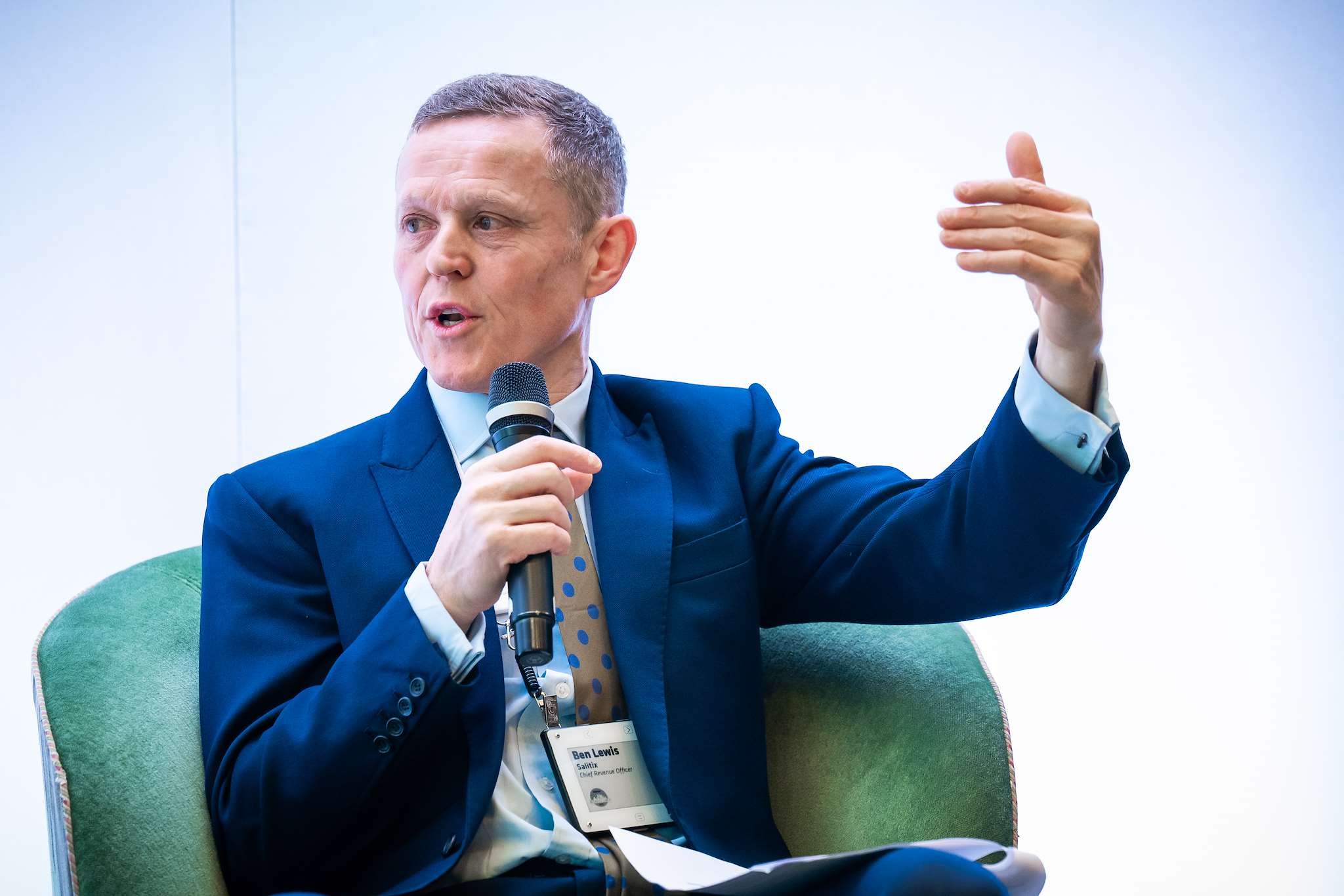
Yet according to Ben Lewis, chief revenue officer at Salitix, many suppliers are still losing money through something far less dramatic than a failed product launch or a weak negotiation. They’re losing money through everyday trading errors.

Salitix, a specialist profit recovery sales auditor working exclusively with grocery suppliers, exists to find that lost value.

The business audits historic trade and promotional activity between suppliers and retailers, using evidence such as EPOS sales data, email archives and contractual agreements to reconcile what was intended, what was agreed and what actually happened.

Where investment has not been executed as planned, or where a contractual error has occurred, Salitix helps suppliers recover the money owed to them.

“Our USP is easy: frictionless profit recovery,” Lewis says. “We deliver this because we are experts in identifying, quantifying, presenting and negotiating errors that occur during the normal course of business between suppliers and retailers.”

It’s a service built around a simple but often overlooked truth: grocery trading is highly transactional. National account managers and buyers are constantly agreeing promotions, trading terms and commercial investments, often across huge volumes of activity and under significant time pressure.

In that environment, Lewis argues, errors are not unusual.

“There’s an unavoidable background error rate given the volume and scale of activities taking place on a daily basis,” he says.

For suppliers, the problem is that those errors can erode margin. Promotional spend may not deliver what was paid for or agreements may not be executed in the way they were intended. Historical trading information can be difficult to locate, particularly when account managers move on and email trails disappear into old inboxes.

Salitix’s role is to bring order to that complexity.

The company analyses historic trading periods, builds evidence-based claims and presents them in a way that allows suppliers to recover money without turning the process into a commercial dispute.

Lewis says Salitix has been “instrumental in creating the conditions” where suppliers can submit claims to retailers for contract errors and have them repaid “without any commercial friction or noise”.

The process has been helped by the Groceries Supply Code of Practice, or GSCOP, which governs how the UK’s largest grocery retailers deal with suppliers.

Salitix applied its understanding of GSCOP to an area that Lewis says had not previously existed in a standardised or professional context for suppliers – forensic auditing of historic trading activity.

That work helped shape a more formal approach. The Groceries Code Adjudicator has developed a best practice statement on forensic auditing, with insight and input from Salitix, which is signed by all GSCOP-regulated retailers.

For Lewis, this was a major step forward because it created a clearer framework for evidence-based supplier claims.

“Salitix was able to develop and create the standardised way of working with retailers that ensured that evidence-based claims for contractual errors of any kind would be paid back independently of a commercial dialogue about its value, or worth,” he says.

In practical terms, this means a historic claim should be assessed on the evidence of what was agreed and what happened, rather than folded into a negotiation about future trading.

Lewis gives the example of a supplier owed £50,000 for a promotion that was not executed as agreed.

“If Tesco owes your business £50,000 for a promotion that has not been executed as agreed or paid for, they will pay it back to you based on the evidence and on what was agreed, not on the basis of some negotiation based on future trading activity, or relationship,” he says.

“This is what fair trading practices are all about.”

The proposition is particularly valuable in grocery, where branded suppliers are operating in one of the most competitive markets in the world. Margins are scrutinised, investment is heavy and commercial teams are often focused on growth rather than historic reconciliation.

Salitix positions itself as a way to recover value that would otherwise be lost, without upfront cost or commercial disruption.

“It’s a unique value proposition that no supplier should overlook, or be without,” Lewis says. “Salitix delivers pure, net margin back into current trading years with no upfront cost and no commercial cost.”

But Lewis is clear that the benefit isn’t only financial.

By reviewing historic trading activity in detail, Salitix can also identify recurring issues, highlight weaknesses in internal controls and provide insight into how retailers and suppliers interact in practice.

That can give suppliers a clearer view of where their investments are working, where execution is falling short and where processes need to improve.

“Salitix enables a supplier to maximise its profit and enhance its commercial trading insight in a cost positive way,” Lewis says. “You get paid for delivery of the insight in the form of recoveries made that would otherwise be lost.”

Success, he adds, is measured in three ways: “pounds and pence recovered”, systemic issues identified and rectified, and the “complete lack of friction” associated with the process.

A major part of the challenge is data.

Retailers have a structural advantage because their systems control much of the sales data. That data is captured, stored and often commercialised back to suppliers as a tool for understanding future performance.

Suppliers, by contrast, may not always have robust systems for retaining historic trading information.

Lewis says many businesses underestimate the value of old data sets because their commercial focus is understandably on current and future trading.

“Many suppliers do not appreciate the commercial value of historical data sets,” he says. “Retailers have a data advantage because it’s their systems that control the sales data.”

If a supplier wants to challenge what happened in a past trading period, it needs evidence. That might include EPOS data, promotional agreements, contract documentation and email exchanges showing what was intended at the time.

Lewis points to a simple but telling question: how many suppliers could easily access every email sent by a national account manager who left the business three years ago?

For many, the answer would be uncomfortable. Salitix helps suppliers close that gap by collecting, collating and storing the relevant data sets needed to carry out evidence-based reconciliations.

The output is not just a claim but a granular understanding of what happened, why it happened and how the supplier can avoid similar leakage in future.

“This is an invaluable benefit for any supplier that wants to maximise the value of its prospective trading, but is often overlooked or poorly understood,” Lewis says.

Although Salitix has relationships with some GSCOP trainers, including Retail Mind, and uses data sets from SKUTrak where available, Lewis says the company does not operate through formal partnerships. Its model remains focused on its core purpose: acting for suppliers to recover lost profit.

“Hire Salitix if you care about profitability and accuracy,” he says.

But he also urges businesses to look inward. Suppliers should have stronger internal controls for capturing and maintaining historic data, including email archives. They should understand their leverage points and not assume that challenging accepted practice will damage commercial relationships.

Lewis argues that properly evidenced claims, handled through the right process, should not be seen as conflict but a part of fair trading.

“Don’t assume that any sort of challenge you make to what might be perceived as standard, accepted practice will have a negative impact on your commercial goals,” he says. “It won’t.”

Salitix’s argument is that profit recovery should no longer be treated as an afterthought. In a market where every penny counts, historic errors are not just administrative issues. They are recoverable value.

And for suppliers willing to look back as carefully as they look forward, that value could be sitting hidden in plain sight.

To find out more about Salitix, click here – https://salitix.com/

Sign up here to get the latest grocery and food news each morning

Features

Social

SUBSCRIBE TO OUR DAILY NEWSLETTER

  • This field is for validation purposes and should be left unchanged.

Most Read

Most Read

Features

Leave a Reply

Your email address will not be published. Required fields are marked *

Fill out this field
Fill out this field
Please enter a valid email address.

RELATED STORIES

Latest Feature

Menu

Please enter the verification code sent to your email: