World Cup summer tipped to deliver £4.2bn food and drink boost
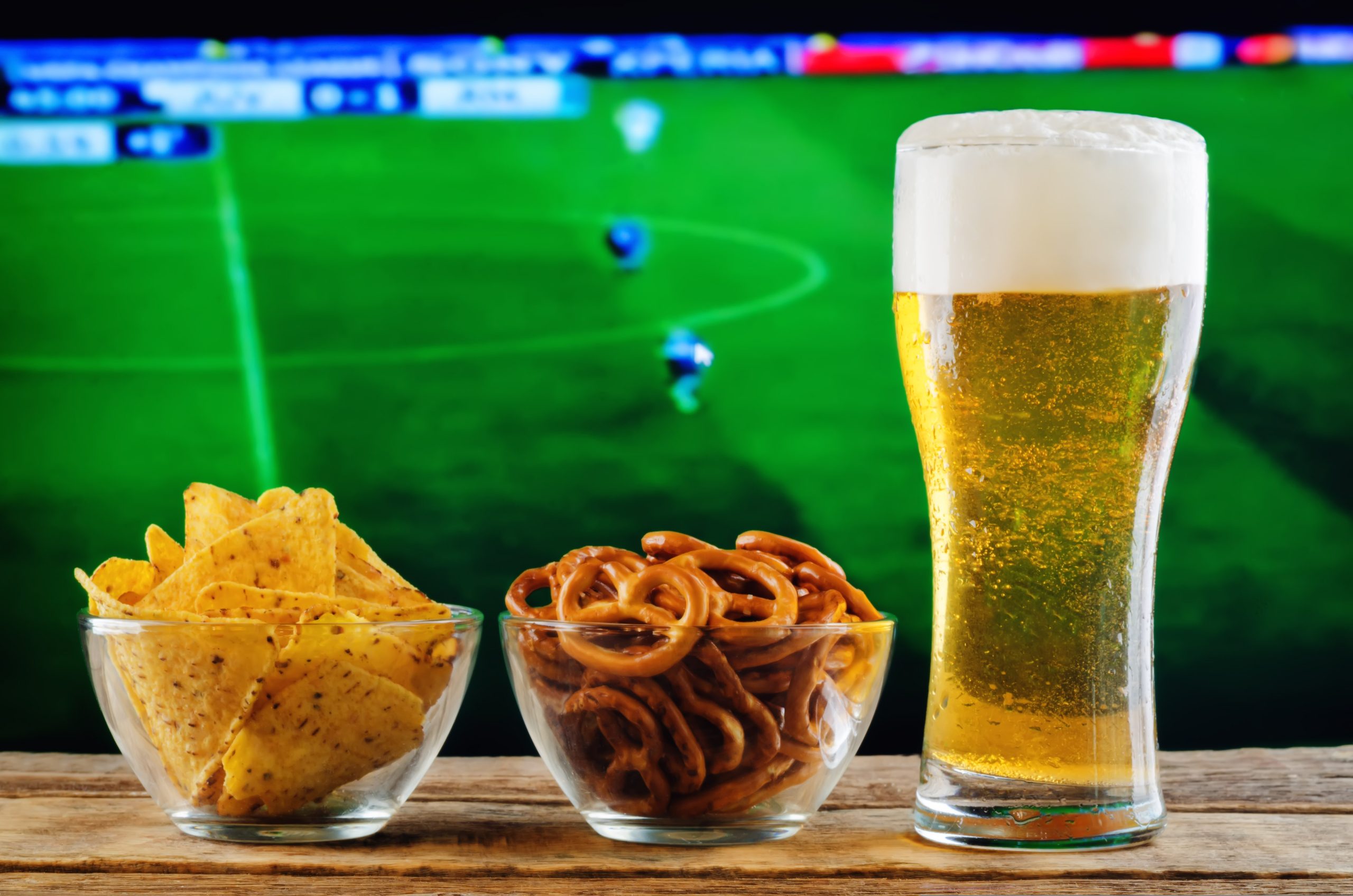
The 2026 Fifa World Cup is expected to deliver a £4.2bn boost to the UK food and drink sector, as pubs, restaurants, grocery delivery firms and hospitality venues prepare for a summer of live screenings and match-night demand.
New analysis from money.co.uk forecasts that the sector will see a 9.3 per cent uplift in revenue across the wider May to July period compared with a typical non-World Cup year.
The research, based on Office for National Statistics turnover data and historic spending patterns from previous World Cups, suggests food and drink businesses will be among the biggest winners from the tournament.
Pubs, independent restaurants and hospitality venues are expected to see some of the strongest relative gains, particularly in areas with high footfall or a strong sports-viewing culture.
The expected boost is likely to be driven by extended evening opening hours, increased group bookings, live match screenings and stronger demand for food delivery on game nights.
money.co.uk said late kick-offs could help concentrate spending into evening trading periods, giving venues and delivery operators a chance to capture higher-value occasions around shared viewing.
The analysis also forecasts wider benefits for the hospitality and travel sectors. Accommodation providers are expected to see a £3.5bn uplift, while rail and transport operators could generate an additional £1.8bn in revenue between May and July as consumers travel to venues, social gatherings and screenings.
money.co.uk business bank accounts expert Joe Phelan said: “The World Cup is one of the most significant trading periods for the UK hospitality sector, and food and drink businesses are particularly well placed to benefit.
“Late kick-offs are expected to concentrate spending into evening trading hours, driving higher footfall in pubs, bars and restaurants, as well as increased demand for delivery.
“That creates a strong opportunity not only for national operators, but also for independent businesses that rely on peak match-day trading.”
He added: “What we typically see during major tournaments is a clear shift towards shared, experience-led spending, and the food and drink sector sits right at the centre of that behaviour.”
money.co.uk calculated the forecast by comparing ONS monthly business revenue data between February to April and May to July in previous World Cup years and non-World Cup years, going back to 1998.
The 2022 tournament was treated as a non-World Cup year because it was held in November and December, while 2020 and 2021 were excluded because of the impact of Covid.
Sign up here to get the latest grocery and food news each morning