
Extreme heat threatens to cool summer alcohol sales for drinks makers
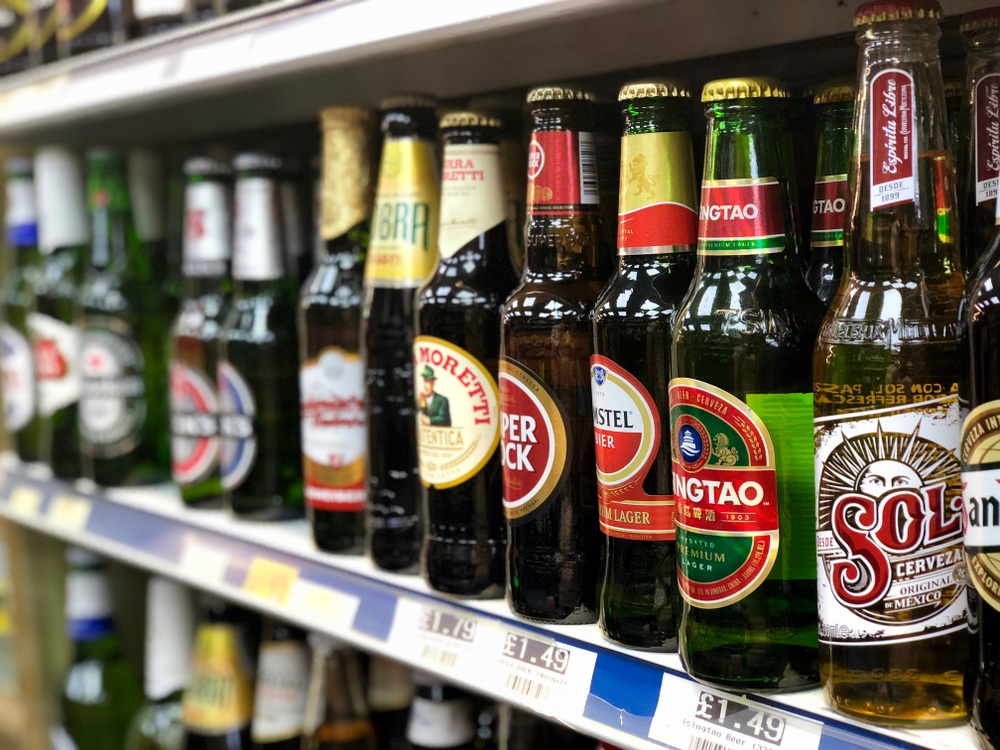
Extreme heat could change the summer sales mix for European drinks makers as consumers turn away from alcohol during dangerously hot weather.
Hot summer weather has traditionally provided a boost for beer, wine and spirits sales, particularly as shoppers stock up for barbecues, beer gardens and outdoor events.
However, Reuters reported that the trend may reverse when temperatures climb too high, with drinks companies and analysts warning that extreme heat can push shoppers towards low-alcohol, no-alcohol and soft drinks instead.
Research from the University of California, ETH Zurich and North Carolina State University found that alcohol sales rise with temperature up to just over 32C, after which the benefit starts to fade.
The findings come as Europe faces more frequent and severe heatwaves, creating new questions for drinks makers and grocery retailers over range, availability and seasonal demand planning.
IWSR president Marten Lodewijks said warm weather was generally good for consumption, but warned there was an “upper limit” where it becomes too uncomfortable for some shoppers.
Carlsberg global director of public affairs Kristian Henningsen said there was an “important difference between warm weather and extreme heat”, adding that very high temperatures could encourage people to stay indoors rather than go out for a drink.
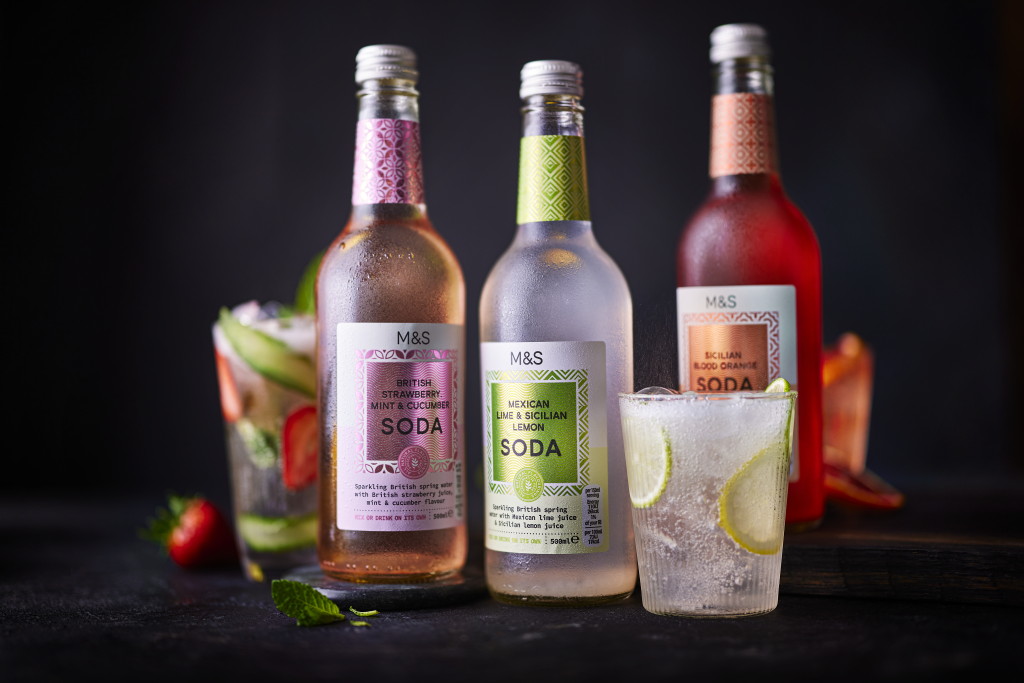
The brewer said it was focusing on giving customers more choice across low and no-alcohol beers and soft drinks as consumer habits shift.
The issue has been thrown into focus by the recent European heatwave, which began on 20 June and was described by Reuters as the most intense recorded on the continent.
In the UK, temperatures reached 37.7C in Norfolk, while European health authorities advised people to avoid alcohol because it can increase dehydration and body heat.
In Paris, alcohol sales in stores were briefly banned during the heatwave.
The shift could have significant implications for supermarkets, convenience retailers and hospitality operators, which typically rely on warm-weather uplifts across beer, cider, wine, ready-to-drink cans and soft drinks.
It may also sharpen the focus on chilled availability, ice, hydration products and lower-alcohol ranges during peak summer trading periods.
Euromonitor International global insights manager for alcoholic drinks Spiros Malandrakis said extreme heat could have mixed consequences for the drinks industry.
He warned that heatwaves could reduce alcohol consumption for some shoppers, while also damaging economies, weakening consumer spending and affecting agriculture, which could increase production costs.
The warning comes after several major brewers have previously blamed poor summer weather, including cold and wet conditions, for weaker trading.
However, the emerging challenge for drinks makers is no longer simply whether the weather is warm enough to drive demand, but whether it has become too hot for consumers to drink in the same way.
Sign up here to get the latest grocery and food news each morning