
Asda brings back the Puffin as supermarkets put own brands in the spotlight
As shoppers become more willing to swap big-name brands for supermarket alternatives, grocers are leaning into own brands as a driver of loyalty, value and weekly-shop relevance.
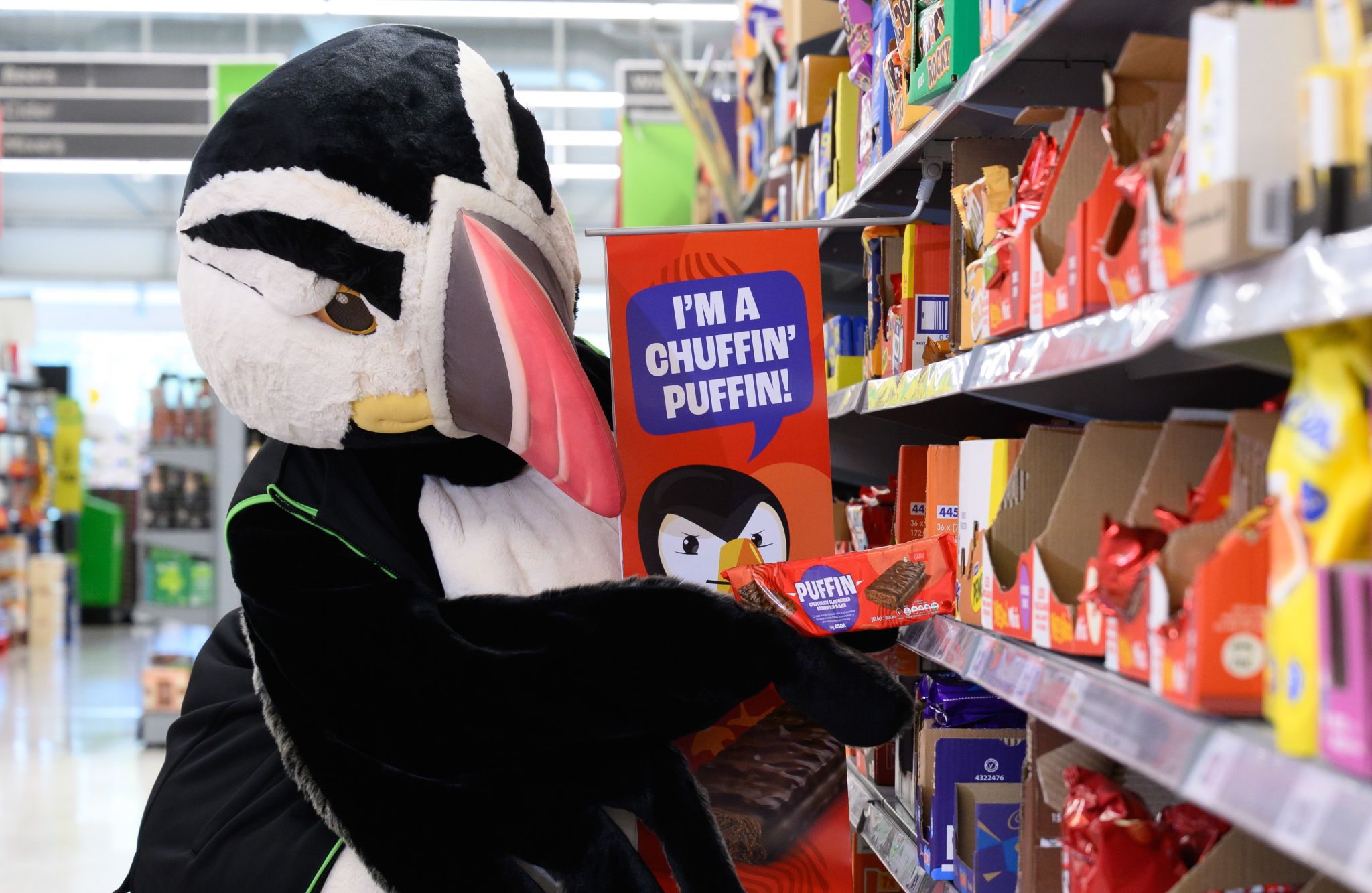
Asda’s decision to bring back its Puffin biscuit nearly three decades after its famous Penguin-style court battle is more than a nostalgic stunt. It is a sign of how confidently supermarkets are now treating own-brand products as destination ranges in their own right, rather than cheaper back-ups to national brands.
The retailer says its latest research found 84 per cent of UK consumers are more open to trying own-brand versions of favourite snacks than they were five years ago. While 88 per cent say discovering an own-brand product that tastes just as good as the branded equivalent feels like a major win.
With biscuits leading the switch, Asda is using Puffin’s return and its new “Chuffin’ Puffin” personality to turn value, humour and product heritage into a challenger-brand story.
Subscribe to Grocery Gazette for free
Sign up here to get the latest grocery and food news each morning
M&S is making a similar bet in a very different aisle. On the same day as the Puffin returns to Asda, M&S introduced its new Paws & Pals range, marking the retailer’s entry into own-brand pet food.
The launch builds on the retailer’s wider push to become a fuller “shopping list” destination, giving customers another reason to fold M&S into the weekly shop rather than reserving it for treats, top-ups or occasion food.
Also on 20 August, Tesco relaunched its Fred & Flo baby and toddler brand, introducing a refreshed look alongside a raft of new and improved products spanning baby food, nappies, wipes, toiletries and feeding accessories.
More than half of the Fred & Flo range is either new or has been reformulated or upgraded, as Tesco looks to strengthen its offer for parents and carers and bring its own-label baby products under a more consistent brand identity.
These moves underline a shift in supermarket private label strategy. Own brand is no longer simply about price matching branded rivals; it is increasingly about personality, reassurance and category authority.
For Asda, that means reviving a mischievous biscuit mascot at a time when shoppers are proud to find a better-value swap.
For M&S, it means applying its food-quality halo to pets, tapping into demand for clearer ingredients, nutrition credentials and trust.
For Tesco, the revamped Fred & Flo baby and toddler collection provides a clearer own-brand platform in a high-trust, repeat-purchase category, helping the retailer reassure parents on quality and value while keeping more of the family shop within its own-label ecosystem.
The common thread is that supermarkets are recognising own brand as a brand-building asset: a way to win margin, deepen loyalty and persuade shoppers that the best-known name on the shelf does not always have to be the branded one.