Weight loss drugs wipe £780m off Britain’s grocery bills
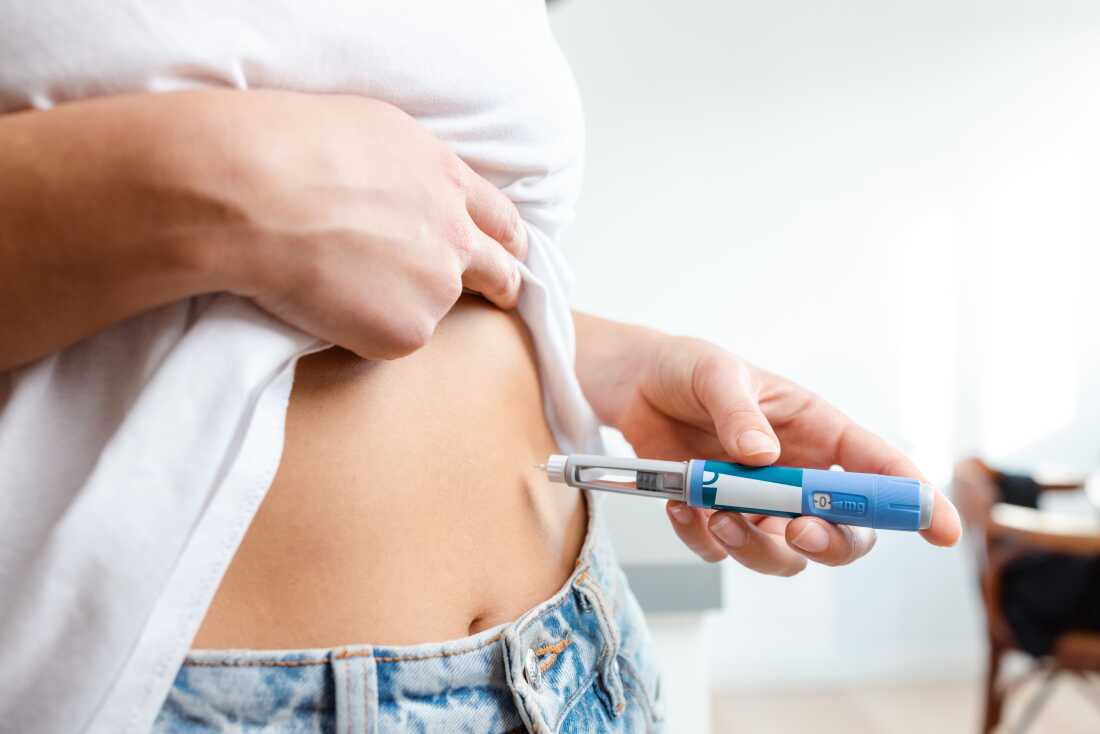
Weight loss drugs have wiped £780m from Britain’s grocery spend, as new research shows GLP-1 use has nearly tripled across UK households in just two years.
Worldpanel by Numerator research found that 6.3 per cent of households in Great Britain now include at least one current user of GLP-1 medication, up from 4.1 per cent in 2025 and 2.3 per cent in 2024.
The data, based on responses from more than 11,500 households, found that 1.9m adults are currently taking weight loss medication in 2026.
The rise is already having a significant impact on grocery retailers and suppliers, with user households spending and buying less than non-user households.
Grocery spend by GLP-1 user households has fallen by £780m, with 299m fewer packs purchased across the analysis period. This equates to a £418 decline in spend per household compared with non-user households.
The findings point to a structural change in how some consumers are shopping, eating and engaging with food and drink.
More than half of GLP-1 users said they are experiencing fewer cravings and less “food noise”, while 11 per cent said they no longer enjoy their usual food and drink favourites.
Chocolate and crisps are among the categories most exposed to the shift. Three quarters of users said they are cutting back on chocolate, while 72 per cent said the same of crisps.
The shopping data reflects this change, with chocolate confectionery spend among GLP-1 users falling 18 per cent more than among non-user households since starting treatment.
The research found that women account for 77 per cent of current GLP-1 users, compared with 23 per cent for men.
More than a quarter of respondents said they would use GLP-1 medication to lose weight even if they did not have a major health issue, suggesting a shift away from adoption being driven purely by medical concerns.
However, affordability remains a major barrier. Four in 10 people who had been taking the medication said they stopped in 2026 because it was too expensive, making price the leading reason for discontinuing treatment.
While some food categories are being hit by lower consumption, others are benefiting from changes in user behaviour.
Worldpanel said side effects such as dry mouth and bad breath, sometimes referred to as “Ozempic mouth”, are prompting higher spend in oral health and adjacent categories.
GLP-1 user households recorded a 20 percentage point uplift in mouthwash spend and a 24 percentage point uplift in chewing gum confectionery spend compared with non-user households.
The research also points to the emergence of what Worldpanel describes as the “small appetites economy”.
More than half of users now describe their approach to eating as mindful, meaning they are guided by hunger cues rather than habit, routine or restriction.
Their expectations of retailers and food businesses are also changing. Two fifths of users said they want smaller portion sizes on menus, while 26 per cent said they want GLP-1 friendly menu sections.
Sign up here to get the latest grocery and food news each morning