
GLP-1 use doubles in nine months as grocery faces fresh consumer shift
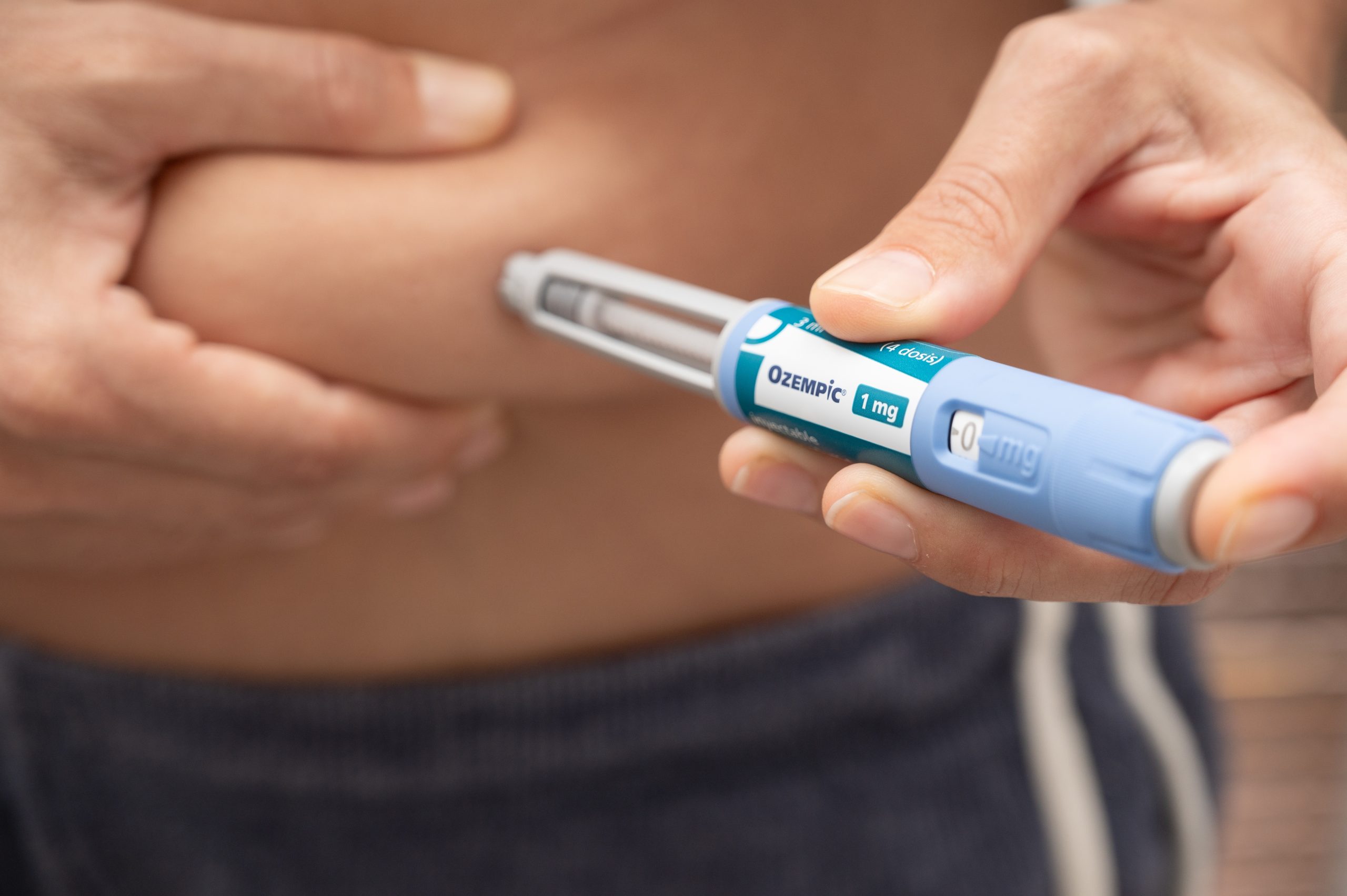
Usage of GLP-1 medications rose from 3.1 per cent in June 2025 to 6 per cent in March 2026, IGD said, while awareness has climbed from 88 per cent to 94 per cent.
The proportion of adults who know someone using the drugs has also jumped from 24 per cent to 42 per cent.
The research suggests uptake is being driven by greater availability through online pharmacies, alongside growing social proof from friends, family and celebrity influence.
For now, usage remains concentrated among more affluent mid-life women, with 18 to 24-year-olds and over-65s the least likely to be using the drugs.
Caroline Young, shopper insights manager at IGD, said: “While awareness of GLP-1s has become mainstream, usage remains fairly exclusive – for now. Barriers to use are declining and the upcoming availability of oral formats will remove a major barrier in administering injections, which deters 39 per cent of UK adults.”
IGD said the key issue for grocery is not just that consumers may eat less, but that they may eat differently.
The report identifies three broad user groups. “Health-driven” users are making the biggest lifestyle changes, with more scratch cooking, more interest in functional foods and a greater focus on lighter, protein-rich meals.
“Last resort” users are mainly reducing volume rather than changing what they buy, while “quick fixers” are more likely to use the drugs short term and still allow for smaller indulgences.
Across all groups, breakfast looks the most exposed, with many users eating just one or two meals a day.
Taste preferences are also shifting. IGD found 59 per cent of users reported a lower preference for fatty foods, 49 per cent for sweet foods, 37 per cent for creamy foods and 32 per cent for salty foods. But the picture is not one-way: more than a quarter said they had grown to prefer sweet or creamy foods, while reactions to spicy food were split.
The impact is also being felt away from home. According to IGD, 41 per cent of GLP-1 users are visiting restaurants less often, 47 per cent are going to coffee shops and sandwich bars less, and 30 per cent are drinking less alcohol.
When they do go out, users are more likely to share dishes or take food home, pointing to a clear challenge for both hospitality operators and food-to-go retailers.
Young said: “Smaller portions, lighter menus, protein-rich dishes and flexible formats could help operators future-proof menus for their growing GLP-1 audiences.”
Sign up here to get the latest grocery and food news each morning