Supermarkets face rising costs and debate over pay commitments amid growing pressure from investor activists

News

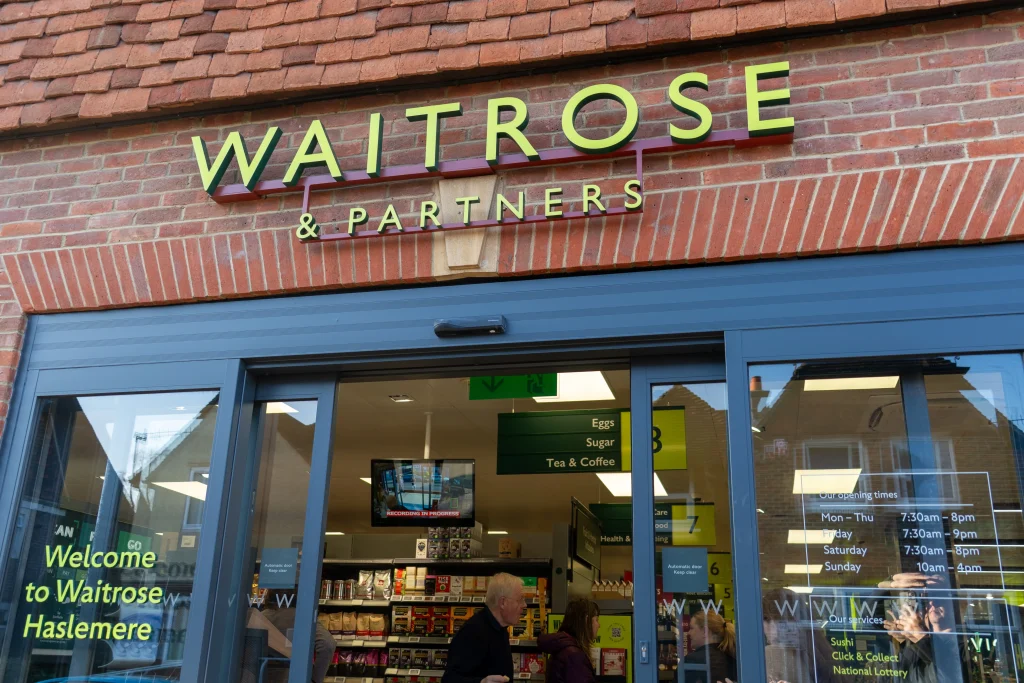
A tussle has opened between investor activists and Britain’s big grocers over pay for shop workers, raising tensions between employment costs and pressure to keep food prices low for consumers.

According to investor campaigners, several leading supermarket groups have withdrawn commitments to the voluntary real living wage, even as they award headline pay increases that still leave them short of the living wage benchmarks set by the Living Wage Foundation.

ShareAction, the investor group pressing the case, has urged the largest chains to return to paying at least £13.45 an hour outside London and £14.80 inside the capital, arguing the rate better reflects the real cost of living than the statutory national minimum.

The campaign comes after major retailers including M&S, The Co-operative Group, Tesco and Sainsbury’s announced pay deals that do not match the real living wage.

Supermarkets counter that they face a raft of cost pressures that complicate pay commitments, ranging from soaring business rates and higher employer national insurance bills to rapidly rising labour costs over recent years.

The effective hourly employment cost facing small retailers in parts of the UK has climbed sharply since 2016, and trade bodies warn that higher staffing bills tend to feed through into prices, shorter opening hours or even store closures in marginal locations.

The dynamics vary between companies. Tesco has announced a substantial investment in frontline pay this spring, lifting many hourly rates above the new national living wage and adding a London allowance for staff inside the M25, while other chains have taken smaller increases or removed explicit real living wage pledges.

Such moves illustrate an emerging pay race in the sector even as firms seek to protect margins.

Headline inflation has eased but grocery bills remain sensitive to a wide range of inputs beyond wages.

Investor groups point to risks from energy costs, logistics, regulation and climate-related disruptions as further factors that could sustain or lift food prices in 2026, with competitive pressures between retailers also shaping whether cost rises are absorbed or passed on.

In Northern Ireland the debate has a local inflection, with retailers highlighting above-average business rates and other regional charges as additional burdens on store economics.

That argument does not remove the moral and political spotlight on pay standards, but it helps explain why some chains say they cannot simply reinstate prior wage pledges without wider changes to cost structures or margins.

Sign up here to get the latest grocery and food news each morning

News

Leave a Reply

Your email address will not be published. Required fields are marked *

Fill out this field
Fill out this field
Please enter a valid email address.

News

Share:

Supermarkets face rising costs and debate over pay commitments amid growing pressure from investor activists

A tussle has opened between investor activists and Britain’s big grocers over pay for shop workers, raising tensions between employment costs and pressure to keep food prices low for consumers.

According to investor campaigners, several leading supermarket groups have withdrawn commitments to the voluntary real living wage, even as they award headline pay increases that still leave them short of the living wage benchmarks set by the Living Wage Foundation.

ShareAction, the investor group pressing the case, has urged the largest chains to return to paying at least £13.45 an hour outside London and £14.80 inside the capital, arguing the rate better reflects the real cost of living than the statutory national minimum.

The campaign comes after major retailers including M&S, The Co-operative Group, Tesco and Sainsbury’s announced pay deals that do not match the real living wage.

Supermarkets counter that they face a raft of cost pressures that complicate pay commitments, ranging from soaring business rates and higher employer national insurance bills to rapidly rising labour costs over recent years.

The effective hourly employment cost facing small retailers in parts of the UK has climbed sharply since 2016, and trade bodies warn that higher staffing bills tend to feed through into prices, shorter opening hours or even store closures in marginal locations.

The dynamics vary between companies. Tesco has announced a substantial investment in frontline pay this spring, lifting many hourly rates above the new national living wage and adding a London allowance for staff inside the M25, while other chains have taken smaller increases or removed explicit real living wage pledges.

Such moves illustrate an emerging pay race in the sector even as firms seek to protect margins.

Headline inflation has eased but grocery bills remain sensitive to a wide range of inputs beyond wages.

Investor groups point to risks from energy costs, logistics, regulation and climate-related disruptions as further factors that could sustain or lift food prices in 2026, with competitive pressures between retailers also shaping whether cost rises are absorbed or passed on.

In Northern Ireland the debate has a local inflection, with retailers highlighting above-average business rates and other regional charges as additional burdens on store economics.

That argument does not remove the moral and political spotlight on pay standards, but it helps explain why some chains say they cannot simply reinstate prior wage pledges without wider changes to cost structures or margins.

Sign up here to get the latest grocery and food news each morning

News

Social

SUBSCRIBE TO OUR DAILY NEWSLETTER

  • This field is for validation purposes and should be left unchanged.

Most Read

News

Leave a Reply

Your email address will not be published. Required fields are marked *

Fill out this field
Fill out this field
Please enter a valid email address.

RELATED STORIES

Most Read

Latest Feature

Menu

Please enter the verification code sent to your email: