
Consumer confidence slips as energy and grocery cost worries deepen, KPMG finds

Supermarket trolley - re retail
News

Consumer confidence in the UK has fallen back, with rising anxiety over household bills and grocery prices continuing to weigh on spending sentiment, according to new KPMG research.

KPMG UK’s latest quarterly Consumer Pulse survey found that 62 per cent of consumers now believe the UK economy is worsening, up from 58 per cent in the previous quarter. Just 10 per cent said the economy is improving.

While grocery prices remained the biggest driver of concern, cited by 85 per cent of those who think the economy is deteriorating, worries over utilities costs rose sharply over the quarter, jumping nine percentage points to 84 per cent.

For consumers aged 25 to 54, utility bills were the biggest reason for feeling more negative about the economy.

The findings suggest households are becoming increasingly cautious in response. Nearly half, or 49 per cent, of those who believe the economy is worsening said they are cutting spending as a result, while 40 per cent said they are putting off major purchases, up from 34 per cent three months earlier.

Despite the more downbeat mood, most consumers still described themselves as financially secure. However, that figure slipped from 56 per cent to 54 per cent, while the proportion feeling financially insecure rose from 22 per cent to 25 per cent.

Linda Ellett, head of consumer, retail and leisure at KPMG UK, said the results reflected growing public concern over the wider economic backdrop and the pressure this could place on household budgets in the months ahead.

She said: “Considering the backdrop of the ongoing conflict in the Middle East, and the actual and potential impact on energy and grocery prices, it is not a surprise that we are seeing heightened consumer concern about the economic health of the UK.

“While there are relatively healthy signs of day-to-day spending activity so far this year, a growing number of people say they are deferring larger item spending due to their concern about the economy.

“The number of people feeling insecure about their financial situation has slightly grown in the last quarter, but the majority of people currently remain secure. That scale of security may be tested in the coming months, depending on how much costs increase by and for how long.”

The survey also points to a more price-driven shopping mindset. Price was named as the leading purchasing driver for everyday items by 71 per cent of shoppers, the highest level seen for a year.

Consumers also reported becoming more tactical in how they shop, with increased use of loyalty schemes, stronger demand for own label and value ranges, and a greater tendency to seek out lower-cost retailers and discounted products.

KPMG said this underlined the extent to which shoppers remain focused on stretching household budgets, even where day-to-day spending has held up.

There were some brighter signs for hospitality and leisure. Consumers reported spending more on eating out and takeaway food over the quarter, while 59 per cent said they had eaten in a restaurant so far in 2026, 47 per cent had ordered takeaway and 39 per cent had gone out for an alcoholic drink.

When it came to bigger purchases, holidays remained the top priority, with 22 per cent saying they had booked or taken one in the past three months. Even so, almost half of consumers, 47 per cent, said they had not made any big-ticket purchase so far this year.

Ellett added: “The cautious consumer landscape continues, with essential cost levels and economic concern driving an increased focus on price and promotions. Loyalty scheme use and own brand buying continues to grow.

“Larger discretionary spend is being prioritised toward holidays and experiences, but there are still relatively healthy signs so far this year of day-to-day spending activity – albeit consumer, retail and leisure brands are having to compete in a landscape of squeezed consumer budgets and rising business costs.”

KPMG’s survey of 3,000 UK consumers was conducted online by One Poll between 5 and 16 March.

Sign up here to get the latest grocery and food news each morning

News

Leave a Reply

Your email address will not be published. Required fields are marked *

Fill out this field
Fill out this field
Please enter a valid email address.

News

Share:

Consumer confidence slips as energy and grocery cost worries deepen, KPMG finds
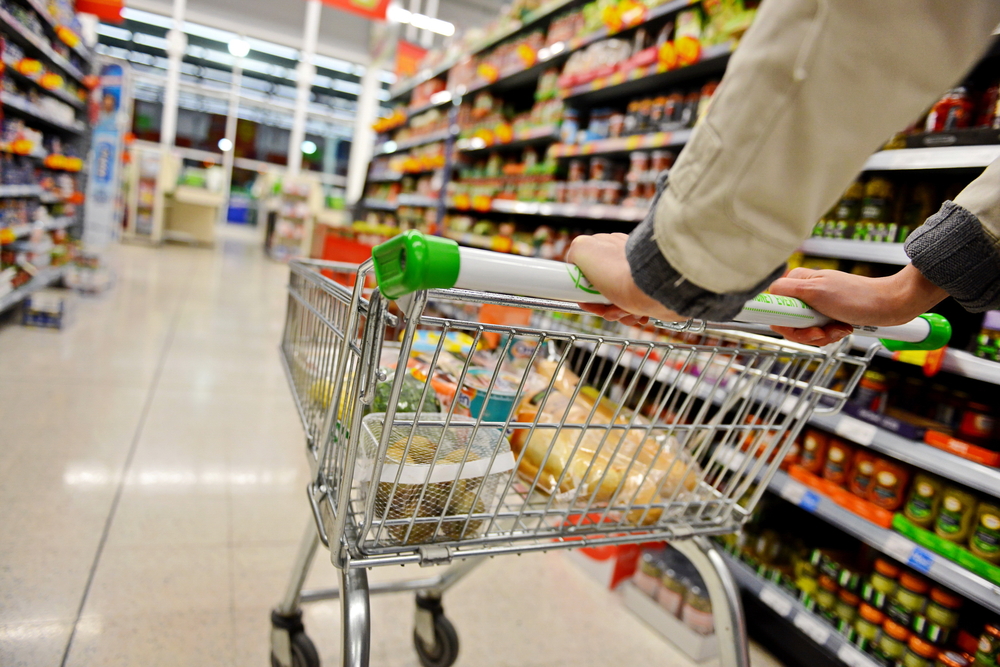
Supermarket trolley - re retail

Consumer confidence in the UK has fallen back, with rising anxiety over household bills and grocery prices continuing to weigh on spending sentiment, according to new KPMG research.

KPMG UK’s latest quarterly Consumer Pulse survey found that 62 per cent of consumers now believe the UK economy is worsening, up from 58 per cent in the previous quarter. Just 10 per cent said the economy is improving.

While grocery prices remained the biggest driver of concern, cited by 85 per cent of those who think the economy is deteriorating, worries over utilities costs rose sharply over the quarter, jumping nine percentage points to 84 per cent.

For consumers aged 25 to 54, utility bills were the biggest reason for feeling more negative about the economy.

The findings suggest households are becoming increasingly cautious in response. Nearly half, or 49 per cent, of those who believe the economy is worsening said they are cutting spending as a result, while 40 per cent said they are putting off major purchases, up from 34 per cent three months earlier.

Despite the more downbeat mood, most consumers still described themselves as financially secure. However, that figure slipped from 56 per cent to 54 per cent, while the proportion feeling financially insecure rose from 22 per cent to 25 per cent.

Linda Ellett, head of consumer, retail and leisure at KPMG UK, said the results reflected growing public concern over the wider economic backdrop and the pressure this could place on household budgets in the months ahead.

She said: “Considering the backdrop of the ongoing conflict in the Middle East, and the actual and potential impact on energy and grocery prices, it is not a surprise that we are seeing heightened consumer concern about the economic health of the UK.

“While there are relatively healthy signs of day-to-day spending activity so far this year, a growing number of people say they are deferring larger item spending due to their concern about the economy.

“The number of people feeling insecure about their financial situation has slightly grown in the last quarter, but the majority of people currently remain secure. That scale of security may be tested in the coming months, depending on how much costs increase by and for how long.”

The survey also points to a more price-driven shopping mindset. Price was named as the leading purchasing driver for everyday items by 71 per cent of shoppers, the highest level seen for a year.

Consumers also reported becoming more tactical in how they shop, with increased use of loyalty schemes, stronger demand for own label and value ranges, and a greater tendency to seek out lower-cost retailers and discounted products.

KPMG said this underlined the extent to which shoppers remain focused on stretching household budgets, even where day-to-day spending has held up.

There were some brighter signs for hospitality and leisure. Consumers reported spending more on eating out and takeaway food over the quarter, while 59 per cent said they had eaten in a restaurant so far in 2026, 47 per cent had ordered takeaway and 39 per cent had gone out for an alcoholic drink.

When it came to bigger purchases, holidays remained the top priority, with 22 per cent saying they had booked or taken one in the past three months. Even so, almost half of consumers, 47 per cent, said they had not made any big-ticket purchase so far this year.

Ellett added: “The cautious consumer landscape continues, with essential cost levels and economic concern driving an increased focus on price and promotions. Loyalty scheme use and own brand buying continues to grow.

“Larger discretionary spend is being prioritised toward holidays and experiences, but there are still relatively healthy signs so far this year of day-to-day spending activity – albeit consumer, retail and leisure brands are having to compete in a landscape of squeezed consumer budgets and rising business costs.”

KPMG’s survey of 3,000 UK consumers was conducted online by One Poll between 5 and 16 March.

Sign up here to get the latest grocery and food news each morning

News

Social

SUBSCRIBE TO OUR DAILY NEWSLETTER

  • This field is for validation purposes and should be left unchanged.

Most Read

Most Read

News

Leave a Reply

Your email address will not be published. Required fields are marked *

Fill out this field
Fill out this field
Please enter a valid email address.

RELATED STORIES

Latest Feature

Menu

Please enter the verification code sent to your email: