
Opinion: Prime’s rise and fall is a wake-up call for viral-boom brands
When Prime Hydration stormed onto UK shelves in 2022, it was nothing short of a retail sensation. Backed by YouTube giants Logan Paul and KSI, the brand became an instant cult hit.
Stores sold out within minutes, bottles were flipped online for 100 times their retail value, and Gen Z shoppers treated each new drop like the arrival of a limited-edition sneaker.
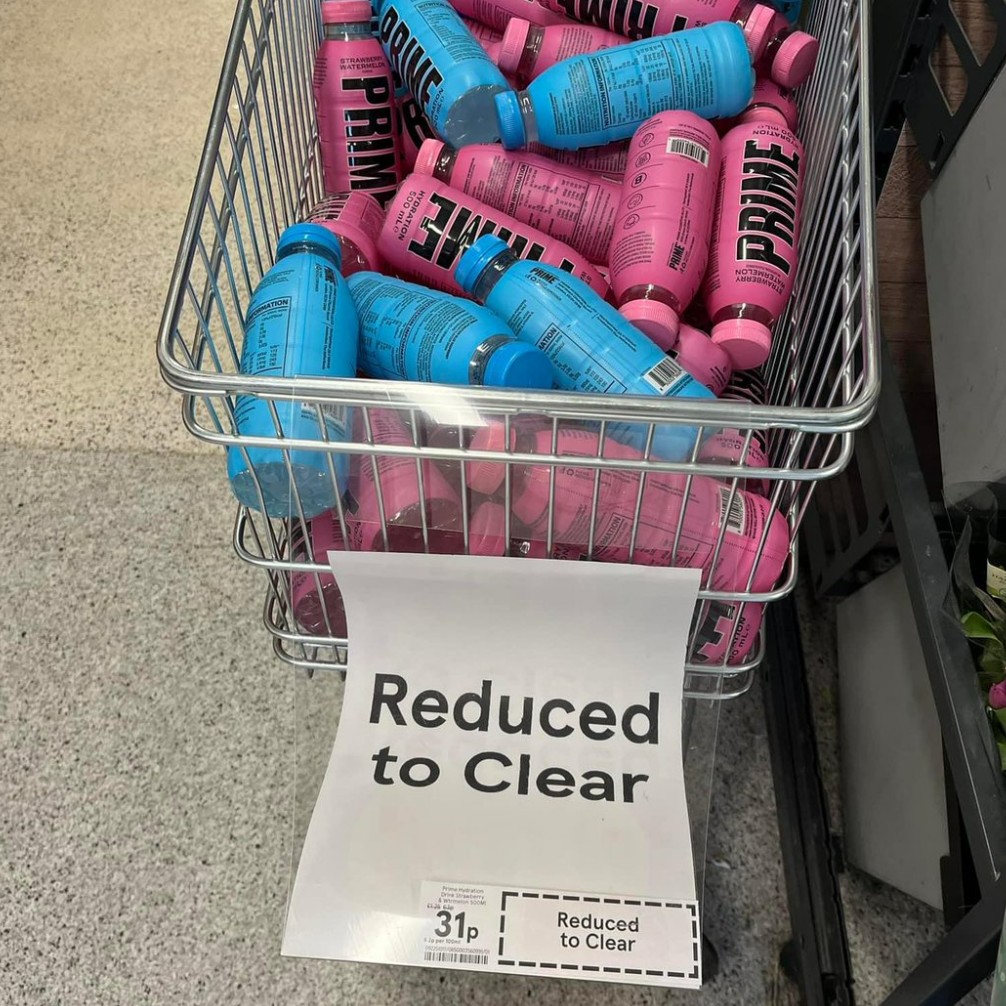
But three years on, and with Prime bottles now being readily found in clearance bins at major retailers, the fizz is rapidly fading. For the wider grocery industry, particularly those eyeing influencer-backed innovation, the implications are serious.
Yet, most importantly, the brand’s fate serves as a prime example of how FMCG’s banking solely on social media fame can fall flat without solid foundations.
As reported this week, Prime’s UK turnover nosedived by over 70% last year, tumbling from £112.2m to just £32.8m. Meanwhile, its pre-tax profits have all but evaporated, down 91% and sinking to just under £1m. This comes as a shocking fall from grace for a brand which was once named the world’s fourth best-selling drink, and secured $250m in retail sales in its first year, according to its co-founder Paul, and valued in the billions.
The sheer extremes of these two sets of figures show these aren’t just the growing pains of a young business; they’re a clear indication that the brand’s hype cycle may have run its course. In its place is a far more sobering reality: Prime must now do what every traditional FMCG brand has always had to, build a foundation of sustainable value in a highly competitive category, and no longer rely solely on it’s insta-famous founders.
What can brands learn from Prime?
Prime was never a conventional product launch, but it didn’t need to be. Armed with social media firepower and direct access to tens of millions of loyal fans, Paul and KSI bypassed the usual routes to consumer awareness and rocketed to initial success that traditional start-ups can only dream of.
Prime was not the only supermarket brand launched by social media personalities. Other examples including youtuber MrBeast’s Feastables, reality TV star Jamie Laing’s Candy Kittens, and internet collective The Sidemen’s grocery range. However, Prime quickly became one of the most successful.
Instead of relying on focus groups and campaign strategies, Prime was able to employ viral posts, concert-style store openings, and the illusion of scarcity. In this sense authenticity, hype, and social capital became the product and for a while, that worked.
Yet as Prime’s financials now show, what works online doesn’t always translate to long-term success on-shelf. The UK soft drinks market, due to its saturation, price-sensitivity and the fact that it is dominated by seasoned players who understand not just how to launch, but how to last, is unforgiving.
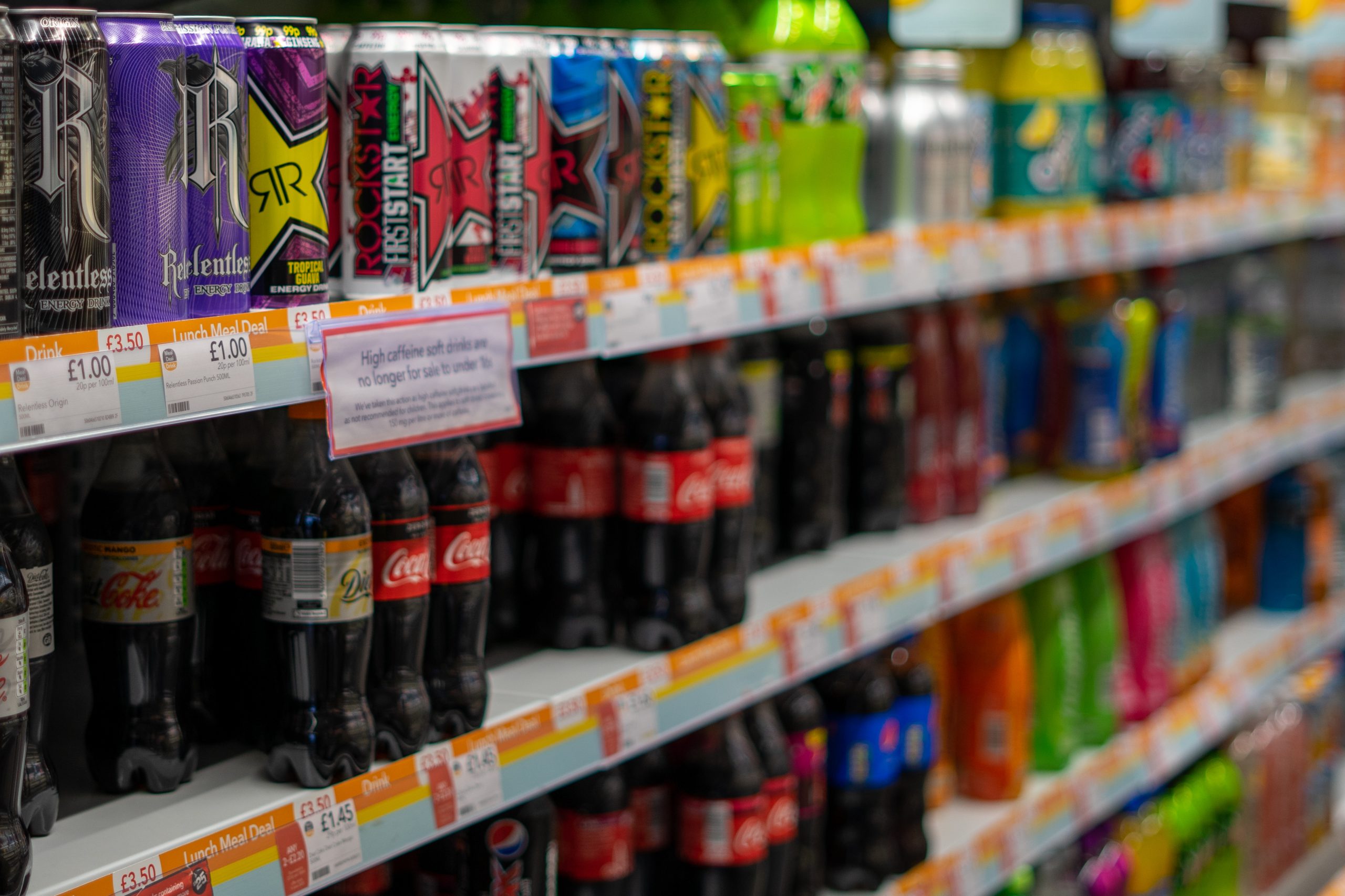
The UK’s soft drinks category is a saturated market, making to hard for new players to break through and maintain momentum against the big drinks giants
Against that backdrop, Prime’s early momentum was never going to be enough. Its challenge wasn’t just staying relevant, it was proving it could deliver consistent quality, appeal beyond its core fanbase, and withstand regulatory and reputational pressures.
Yet, speaking to The Sidemen’s head of marketing, it appears these are challenges that some social media star-founded brands have already understood.
The YouTube collective, which also includes Prime co-founder KSI, has launched various brands into supermarkets; non-HFSS cereal brand Best, meat snacking brand Sides, and liquor brand Vodka XIX.
Speaking to Grocery Gazette last month, Vodka XIX head of marketing Phil Neale said he recognised the importance of brands developing their own individual identity, beyond that of their famous founders.
“When you are looking after brands that have a head start like we do with famous founders, you can often skim some of the steps, which can be a blessing and a curse,” he said.

Prime’s two social media famous co-founders, Logan Paul (left) and KSI (right).
“So you sort of jump to a national listing in Morrison’s, national listing in Tesco, and actually, as a brand, haven’t necessarily made some of those foundations. Shoppers pull you off the shelf as that popularity, that’s there already. But it’s not just about appealing to those fans, its about jumping off that shelf to people walking by or others who are newly hearing about us.”
Prime of course had other obstacles to face: in recent years, perhaps triggered by concerns about the health the of two founder’s young fan base (and now, young consumers), the brand’s caffeinated “Energy” range came under scrutiny. Supermarkets faced mounting pressure to restrict sales to minors, schools banned the drinks entirely, and politicians in both the UK and US raised concerns about caffeine levels and marketing practices.
This is an era where brands are facing more pressure than ever to conform to government-introduced health measures, such as sugar-tax, the HFSS advertising ban and generally tightened regulations around food deemed to be unhealthy. What began as influencer-led fun quickly became a case study in reputational risk, a reminder that the rules of FMCG apply, even when the brand comes wrapped in digital celebrity.
It is clear a significant challenge ahead lies for Prime if it wants to seek consistency and rival caffeinated drink giants such as Monster, Redbull and Lucozade. Its performance suggests that being the new brand on the block and rocketing to immediate success, with the heavy lifting being done by celebrity endorsements, is no longer a reliable business model, if it was ever.
This isn’t to say that it will never be able to return to its impressive nine figure turnover and pose a serious challenge to the soft drinks category. However, to achieve this, the brand will no longer be able to rely solely on its famous founders. Time is ticking for Prime to prove it is in it for the long-term and not just for the hype.