

How Uber Eats made 1 billion UK deliveries in 10 years
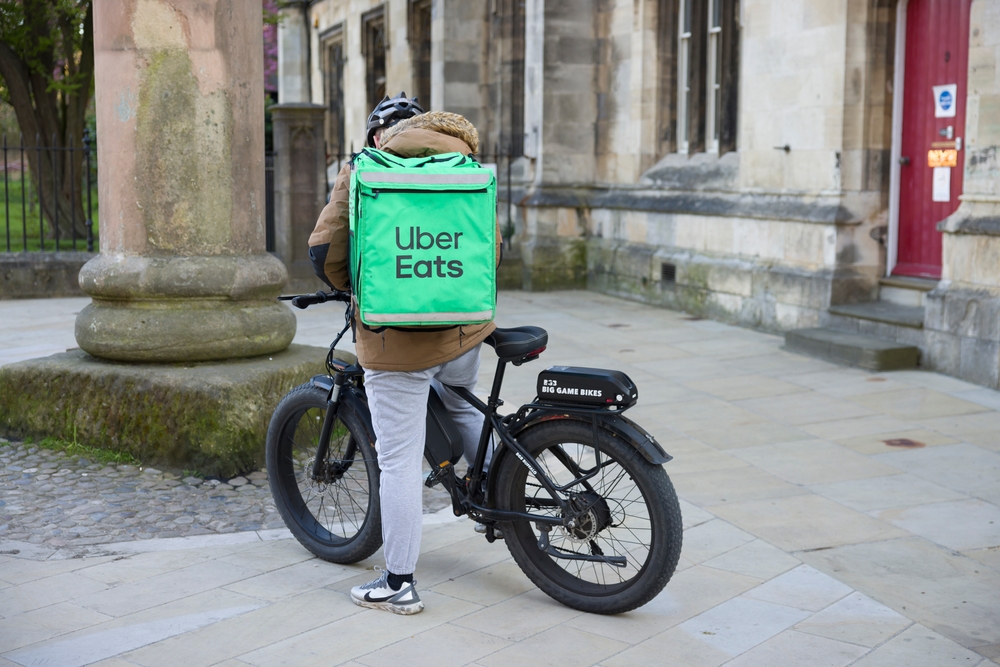
Uber Eats has reached the “extraordinary milestone” of having made one billion UK deliveries, in less than a decade since its launch.
The landmark billionth delivery was made by a courier in Birmingham to a customer ordering from college Fish bar, a local takeaway institution.
The past 10 years have been a rollercoaster ride for the rapid food delivery sector, from the boom in business during the pandemic to the lows of the cost-of-living crisis.
We take a look at how Uber Eats reached this milestone, and which other players have tried and failed to compete over the last decade.
The journey so far

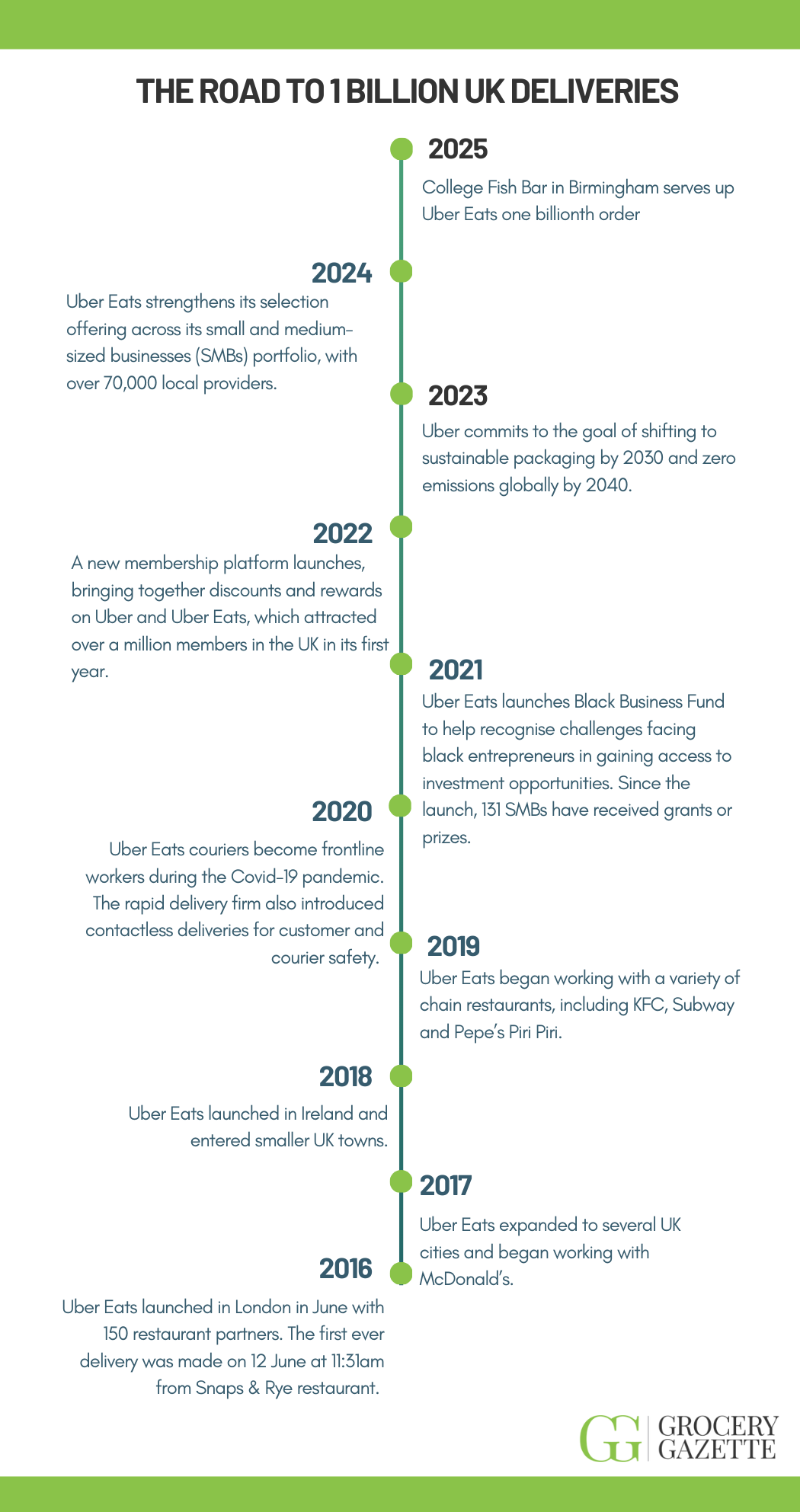
Uber Eats first launched in the UK in June 2016, in London, with 150 restaurant partners.
By the following year, it had expanded to several major UK cities, including Manchester, Birmingham and Nottingham, and kicked off its partnership with fast food giant McDonalds.
In 2018, Uber Eats launched in Ireland and also arrived in smaller UK towns, making itself available to suburban households for the first time. By the next year, Uber had expanded its restaurant offer to other major players, including KFC and Subway.
2020 marked a big year for the company. Not only did it see a boom in orders as shoppers looked to takeaways for treats during the pandemic, with its couriers becoming frontline workers, but Uber Eats also began offering grocery delivery in July. A raft of new supermarket partners signed up to use the service.
In 2021, the delivery firm launched its Black Business Fund to help recognise challenges facing black entrepreneurs in gaining access to investment opportunities. Since the launch, 131 small to medium-sized businesses have received grants or prizes from the Restaurant Awards and Black Business Fund.
By the following year, Uber Eats had partnered with One stop, expanded its partnership with Iceland Foods to 200 new stores, and extended its offering with the frozen food retailer to sites in Northern Ireland.

By May of 2022, Tesco had unveiled its partnership with Uber to boost its rapid delivery service Whoosh, and in August, Co-op joined forces with the delivery giant while Iceland expanded its collaboration further, to over 890 UK stores.
By the end of 2023, Uber Eats had added Waitrose and Majestic to its list of food and drink partners, and leveraged artificial intelligence (AI) with the launch of two new features on its UK app – the ‘AI assistant’ and a ‘Sales Aisle’ – that look to help shoppers save time and money.
More recently, Uber Eats couriers began picking orders in supermarkets – in a first in Europe for a delivery platform – in a bid to make the grocery shopping experience “effortless”. Just last October, Morrisons became the latest grocer to expand its Uber Eats partnership, adding more than 400 stores to the food delivery platform.
Currently, around 40% of Uber Eats’ orders are in grocery, which global head of grocery and retail Susan Anderson says is “still growing fast”.
Uber Eats deliveries are now available to 90% of the UK population.
How have other rapid delivery players fared during this time?
Uber Eats has not been a lone success story. Rivals Deliveroo and Just Eat continue to provide real competition.
In the fourth quarter of 2024, in the UK specifically, Deliveroo delivered sales growth of 9%, with orders increasing by 5%, fuelled by grocery growth, new partnerships and retail expansion.
Deliveroo now expects its adjusted EBITDA to be within the top-end of the £110 to £130 million range.
Meanwhile Just Eat, which is set to be acquired by global investment group Prosus in a deal worth €4.1bn (£3.4bn), has reported a “significant” improvement to its adjusted EBITDA, up 62% to €219m (£181m) in FY24 in the UK and Ireland.
Yet while some brands continue to thrive in this ever-competitive sector, others have not had such luck.
Last April, Getir withdrew from the UK market, as well as Europe and the US, to focus on its domestic market in Turkey.
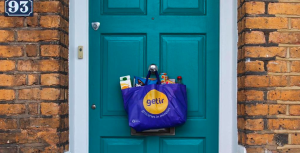
Just three years ago, boosted by the surge of popularity in online grocery shopping during the pandemic, Getir was valued at a whopping $12bn (£9.6bn). However online demand slowed and by September 2023, the firm’s valuation had dropped to $2.5bn (£1.9bn).
While rapid food delivery is likely to remain a highly competitive market, that’s not stopping others from taking an interest in the sector.
Just last week, Co-op launched a new million-pound rapid delivery grocery app, ‘Peckish’, offering a technologically-advanced service to thousands of independent retailers in a grocery retailer first.
Peckish will enable small, often family-owned, independent grocery businesses, shops and other co-operative retail societies to provide an online grocery shopping and delivery service to their local customers.
It is certainly a busy time for a large range of delivery players in an ever-expanding sector. For Uber Eats, UKI and Northern Europe regional general manager Matthew Price says that the firm is now looking ahead to its next billion orders.
“We’re excited to continue supporting local businesses, expanding our offerings beyond food delivery, and making sustainable choices more accessible to our restaurant partners and customers alike,” he says.




1 Comment. Leave new
Proves how many lazy people are in this country who can’t be bothered to get off their backside