
Brand accelerator schemes: Why have supermarkets launched them and which are the best?

We sat down with CoCubed CEO Joel Wallington to compare supermarket brand accelerator schemes and find out which one is best for brands.
FeaturesFMCGInnovationNewsSupermarkets

In 2024, start-up brands have many supermarket accelerator schemes to choose from to help them grow at pace.

This year alone, five supermarkets have launched new brand accelerator schemes, with three just within recent months: Tesco, Iceland, Co-op, Ocado and Waitrose.

The schemes vary in duration and frequency, but all offer opportunities for brands, ranging from financial investment and a chance to be listed in-store and online, to expert support and advice to maximise their growth. However, a closer look shows that each scheme varies, and are aimed at different types of brands.

Not only does this give brands options to find an accelerator scheme that is right for them, it also adds competition for grocery retailers leading to added incentives being launched.

We caught up with innovation consultancy CoCubed CEO Joel Wallington to find out what makes a good brand accelerator scheme, what FMCGs should be looking for, and what supermarkets can do to make sure their scheme is the best on the market.

Why the rush into brand accelerator schemes?

The sudden influx of UK supermarket brand accelerator schemes is “unsurprising”, says Wallington.

“Supermarkets are turning to innovative start-ups to drive growth,” he explains. “They are looking to see how they can stand out against one another. And I think that an answer a lot of them have arrived at is start-ups.”

Wallington points out how relative newcomers such as Deliciously Ella, Pip & Nut and Tony Chocolonely had had great success and supermarkets are trying to find the next big thing to drive sales.

“Start-ups offer supermarkets high value, and two factors are driving this. First is start-ups close proximity to changing consumer behaviours and needs – they are much closer to the market and can move faster, adjust, anticipate trends, and build authentic connections with their customers.”

“Second is the ability to unlock untapped value in traditional products,” Wallington adds. T

his can be seen with brands like Tony Chocolonely, which has marketed itself as not simply a chocolate brand, but also an FMCG with a positive social impact, or Deliciously Ella that champions healthy, non ultra processed food (UPF) diets.

“There have now been enough examples of what were start-up brands doing very niche things growing now into very significant revenue streams for these supermarkets, and also an ability to differentiate themselves.”

How do the supermarkets schemes compare?

Iceland – Brands on Ice

Iceland

The new quarterly brand accelerator scheme was launched earlier this year with the second cohort due to showcase their products to a team of Iceland buyers and executives this month.

It comes as Iceland aims to expand beyond its traditional frozen categories, in a move to broaden the appeal to shoppers and change consumer perception of the grocer from a frozen specialist to a full-range supermarket.

What is its focus? Designed so both challenger and established brands can pitch new innovation ideas.
What is it offering? Each successful brand will receive an investment capped at £100,000. Support includes online product web design and packaging, in-store shelf edge, point of sale and store level design, help with social media plan activations, and customer performance.
Success stories so far The first cohort exclusively launched new Britvic, Müller and Happy Egg products.

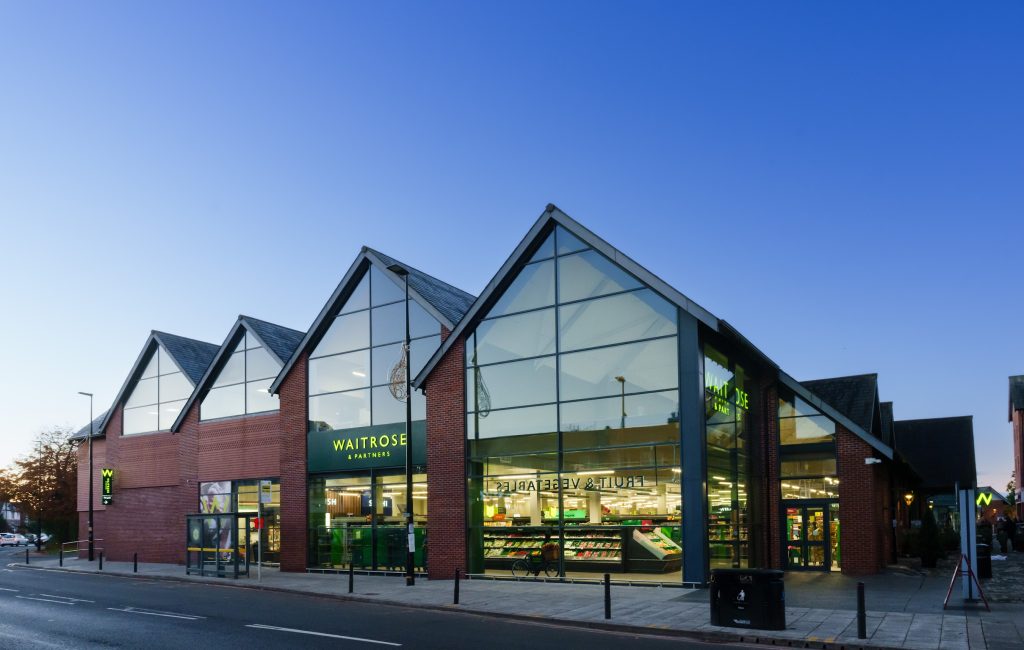
Waitrose – BrandsNew

Waitrose

Launched last month, led by its in-house Branded Innovation team, and supported by product discovery platform RangeMe and innovation consultancy YF.

Who is it focused on? Identifying and supporting new FMCG brands in the market.
What is it offering? Overall, the programme was launched with an initial investment package of £2m in the first year. Alongside this, participating brands will be supported with a tailored package of time from the Waitrose Branded Innovation team, expert buyers sharing advice and confirmed shelf space both in-store, online and with its business-to-business partnerships.

The scheme also offers affordable marketing support across all channels, including experiential moments such as store tastings, online sampling, presence at events such as Waitrose Food and Drinks Festival, as well as performance data and analysis, and clear expectations.

Success stories so far The scheme has just launch so nothing to share as of yet, but the programme builds on recent exclusive launches of Ottolenghi, Wildfarmed and Zoe Daily 30+ at Waitrose.

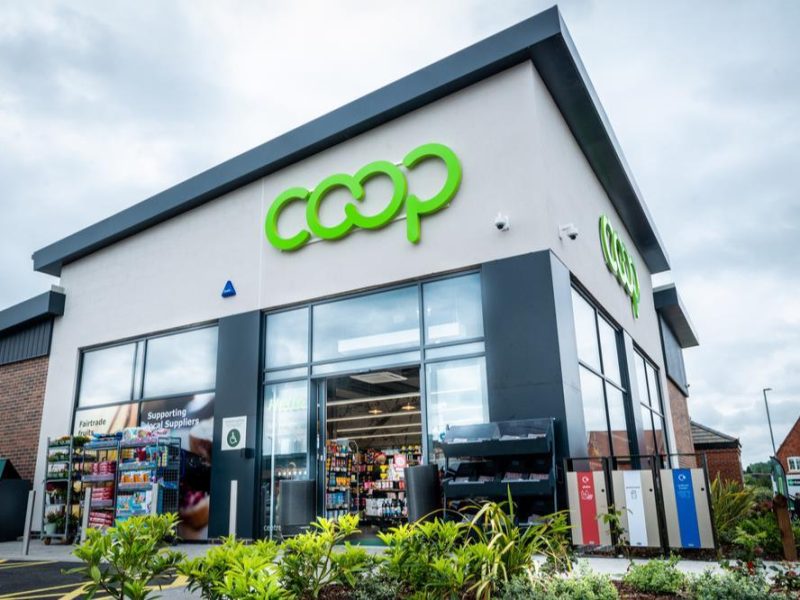
Co-op – Apiary
Co-op is set to install solar panels on up to 700 sites across its food, funeral care and logistics portfolio to bolster its own green energy supply.

Following the success of its Apiary incubator programme for suppliers, Co-op launched a brand accelerator to further promote range diversity and supplier inclusivity. Six new suppliers are set to hit Co-op shelves this month following its search for a fresh wave of food and drink businesses, with brands set to be stocked in more than 100 of the convenience retailer’s stores.

Who is it focused on? Open to both new and existing suppliers to support their brand development. Co-op Rebecca Oliver-Mooney described it as a scheme aimed at “embracing the entrepreneurial spirit of these challenger brands”.
What is it offering? Offering participants access to learning opportunities including masterclasses and mentor networking, category buyer support, and Co-op’s Gift to Give programme, where larger suppliers provide support to smaller-scale businesses.
Success stories so far A total of 10 innovative and purpose-led suppliers formed the inaugural wave of participants, including Bio & Me, Brewgooder, Dr Wills, Hip Pop, Nix & Kix, Play in Choc, Pleese Freezecakes, The Jolly Hog, TrueStart Coffee, and Zaytoun.

Tesco

Tesco storeIn September, Tesco launched its second cohort of products for its bi-annual 2024 Accelerator Programme, which started in February. The new programme has replaced its incubator scheme.

Who is it focused on? Small and trend-led brands. The brands are carefully selected to feed into emerging product trends, including health and sustainability, the demand for speciality products that cater to the communities the grocer operates in, as well as values-driven brands which actively give back to their communities.

This includes diverse-owned brands Aagrah, Better Nature Tempeh, Jake & Nayn’s, Superfoodio and Wha Gwan, and women-owned brands Bold Bean Co, Fearne & Rosie, Piccolo, Seep and The Gut Stuff.

What is it offering? The initiative will allow suppliers to be stocked in Tesco stores and online to accelerate growth. Tesco has set up a new dedicated innovation buying team to directly support the brands, which will be able to access a comprehensive year-long programme of mentoring, learning and development with a focus on growth.
Success stories so far Last year saw 27 up-and-coming brands participate including Nala’s Baby, Grind Coffee, Love Raw and The Gym Kitchen.

Ocado – Ocado Roots

Ocado vansIn September, the online supermarket launched a challenger brand accelerator programme. It comes amid its existing partnership with IND!E, which allows small businesses to reach a major retail platform through a “shop-in-shop” on the Ocado website.

What is its focus? Small suppliers. The online grocer described its scheme as aiming to offer 100 small suppliers “the best support in the industry” and help emerging brands grow. It is open to all new suppliers who are not listed with a major supermarket, and any brands who have launched within the last 12 months.
What is it offering? Dubbing its offerings to brands as the “purple carpet treatment” Ocado said it will provide bespoke onboarding and training, faster payment terms, support from a dedicated Ocado Roots team and free data from Ocado’s insights tool Beet by Ocado.

Other benefits include “simplified ways of working”, “clear guidelines and expectations, with well-defined milestones to help measure success” and guidance from mentoring by larger challenger brands, such as: TrueStart Coffee, Biotiful, When in Rome, Love Corn, Borough Broth, Miniml, Piccolo, The Jolly Hog, Bold Bean Co, All Plants and Fuel 10k.

Success stories so far Just launched, the programme does not have any stories to tell right now, but follows in the wake of other brands fostered through Ocado’s mentorship such as Jolly Hog, which has gone on to seek listings with other retailers.

What makes a good brand accelerator scheme?

Wallington says different accelerator schemes will appeal to different brands.

Brands should find out what the focus of the programme before applying to the scheme, he says. For example, Iceland’s scheme focuses on  not just new but established brands and has recently supported the launch of FMCG giant Britvic’s cherry Tango soft drink in a bid to bring back an old product to consumers.

Whereas Waitrose and Ocado;s schemes are focusing solely on new brands.

Wallington also recommends looking at a scheme’s track record, and exploring what has happened to the brands who previously went through the scheme.

“There’s a big difference between talk and action…I would really interrogate the website, the media that’s around the accelerators, what people within the organisations are saying on LinkedIn, to try and gauge what is some of the underlying motivations here, and get a sense of whether the scheme is going to be a really long-term and in-depth benefit?”

The issue, Wallington says, is that brand accelerator schemes are difficult to deliver and maintain long-lasting impact for both parties.

Even incentives like a financial investment can have its draw backs, he says.

“I wouldn’t see that as a blank check, and consider the long-term implications of having a single supermarket on your cap table, and whether that’s a strategic advantage or a disadvantage for you. No money is free,” Wallington says.

However, one universal that all accelerator schemes should have is giving brands access to resources such as sponsors and experts in the field who can provide industry advice and also data, whether anonymous or customer. Data can give insights for brands testing new flavours, or preparing to extend and diversify their product line.

“Supermarkets are sitting on huge amounts of data, which, for a start-up is just a huge opportunity to stress test their hypothesis and value propositions, to really understand consumer behaviours and have access to a whole load of insights that they wouldn’t otherwise.”

The evolution of brand accelerator schemes 

Wallington says supermarkets should look to evolve brand accelerator schemes to match how both consumers and brands are changing.

“There’s been a huge shift in the power dynamics of the start-up and corporate world, and start-ups are now better funded, have more options, have more creativity. There’s a big job on the supermarkets to get this right, and show that they are not doing this for their own gain, but to genuinely collaborate and bring better products to customers.”

He recommends supermarkets axe the cohort system in favour of a “continuous stream of innovations” and introducing schemes that have a sustainability focus.

“How [the supermarket schemes] will evolve will be shaped by how they perform and the value that they deliver to both supermarket and start-up brands involved.”

FeaturesFMCGInnovationNewsSupermarkets

Leave a Reply

Your email address will not be published. Required fields are marked *

Fill out this field
Fill out this field
Please enter a valid email address.

Brand accelerator schemes: Why have supermarkets launched them and which are the best?

We sat down with CoCubed CEO Joel Wallington to compare supermarket brand accelerator schemes and find out which one is best for brands.

In 2024, start-up brands have many supermarket accelerator schemes to choose from to help them grow at pace.

This year alone, five supermarkets have launched new brand accelerator schemes, with three just within recent months: Tesco, Iceland, Co-op, Ocado and Waitrose.

The schemes vary in duration and frequency, but all offer opportunities for brands, ranging from financial investment and a chance to be listed in-store and online, to expert support and advice to maximise their growth. However, a closer look shows that each scheme varies, and are aimed at different types of brands.

Not only does this give brands options to find an accelerator scheme that is right for them, it also adds competition for grocery retailers leading to added incentives being launched.

We caught up with innovation consultancy CoCubed CEO Joel Wallington to find out what makes a good brand accelerator scheme, what FMCGs should be looking for, and what supermarkets can do to make sure their scheme is the best on the market.

Why the rush into brand accelerator schemes?

The sudden influx of UK supermarket brand accelerator schemes is “unsurprising”, says Wallington.

“Supermarkets are turning to innovative start-ups to drive growth,” he explains. “They are looking to see how they can stand out against one another. And I think that an answer a lot of them have arrived at is start-ups.”

Wallington points out how relative newcomers such as Deliciously Ella, Pip & Nut and Tony Chocolonely had had great success and supermarkets are trying to find the next big thing to drive sales.

“Start-ups offer supermarkets high value, and two factors are driving this. First is start-ups close proximity to changing consumer behaviours and needs – they are much closer to the market and can move faster, adjust, anticipate trends, and build authentic connections with their customers.”

“Second is the ability to unlock untapped value in traditional products,” Wallington adds. T

his can be seen with brands like Tony Chocolonely, which has marketed itself as not simply a chocolate brand, but also an FMCG with a positive social impact, or Deliciously Ella that champions healthy, non ultra processed food (UPF) diets.

“There have now been enough examples of what were start-up brands doing very niche things growing now into very significant revenue streams for these supermarkets, and also an ability to differentiate themselves.”

How do the supermarkets schemes compare?

Iceland – Brands on Ice

Iceland

The new quarterly brand accelerator scheme was launched earlier this year with the second cohort due to showcase their products to a team of Iceland buyers and executives this month.

It comes as Iceland aims to expand beyond its traditional frozen categories, in a move to broaden the appeal to shoppers and change consumer perception of the grocer from a frozen specialist to a full-range supermarket.

What is its focus? Designed so both challenger and established brands can pitch new innovation ideas.
What is it offering? Each successful brand will receive an investment capped at £100,000. Support includes online product web design and packaging, in-store shelf edge, point of sale and store level design, help with social media plan activations, and customer performance.
Success stories so far The first cohort exclusively launched new Britvic, Müller and Happy Egg products.

Waitrose – BrandsNew

Waitrose

Launched last month, led by its in-house Branded Innovation team, and supported by product discovery platform RangeMe and innovation consultancy YF.

Who is it focused on? Identifying and supporting new FMCG brands in the market.
What is it offering? Overall, the programme was launched with an initial investment package of £2m in the first year. Alongside this, participating brands will be supported with a tailored package of time from the Waitrose Branded Innovation team, expert buyers sharing advice and confirmed shelf space both in-store, online and with its business-to-business partnerships.

The scheme also offers affordable marketing support across all channels, including experiential moments such as store tastings, online sampling, presence at events such as Waitrose Food and Drinks Festival, as well as performance data and analysis, and clear expectations.

Success stories so far The scheme has just launch so nothing to share as of yet, but the programme builds on recent exclusive launches of Ottolenghi, Wildfarmed and Zoe Daily 30+ at Waitrose.

Co-op – Apiary
Co-op is set to install solar panels on up to 700 sites across its food, funeral care and logistics portfolio to bolster its own green energy supply.

Following the success of its Apiary incubator programme for suppliers, Co-op launched a brand accelerator to further promote range diversity and supplier inclusivity. Six new suppliers are set to hit Co-op shelves this month following its search for a fresh wave of food and drink businesses, with brands set to be stocked in more than 100 of the convenience retailer’s stores.

Who is it focused on? Open to both new and existing suppliers to support their brand development. Co-op Rebecca Oliver-Mooney described it as a scheme aimed at “embracing the entrepreneurial spirit of these challenger brands”.
What is it offering? Offering participants access to learning opportunities including masterclasses and mentor networking, category buyer support, and Co-op’s Gift to Give programme, where larger suppliers provide support to smaller-scale businesses.
Success stories so far A total of 10 innovative and purpose-led suppliers formed the inaugural wave of participants, including Bio & Me, Brewgooder, Dr Wills, Hip Pop, Nix & Kix, Play in Choc, Pleese Freezecakes, The Jolly Hog, TrueStart Coffee, and Zaytoun.

Tesco

Tesco storeIn September, Tesco launched its second cohort of products for its bi-annual 2024 Accelerator Programme, which started in February. The new programme has replaced its incubator scheme.

Who is it focused on? Small and trend-led brands. The brands are carefully selected to feed into emerging product trends, including health and sustainability, the demand for speciality products that cater to the communities the grocer operates in, as well as values-driven brands which actively give back to their communities.

This includes diverse-owned brands Aagrah, Better Nature Tempeh, Jake & Nayn’s, Superfoodio and Wha Gwan, and women-owned brands Bold Bean Co, Fearne & Rosie, Piccolo, Seep and The Gut Stuff.

What is it offering? The initiative will allow suppliers to be stocked in Tesco stores and online to accelerate growth. Tesco has set up a new dedicated innovation buying team to directly support the brands, which will be able to access a comprehensive year-long programme of mentoring, learning and development with a focus on growth.
Success stories so far Last year saw 27 up-and-coming brands participate including Nala’s Baby, Grind Coffee, Love Raw and The Gym Kitchen.

Ocado – Ocado Roots

Ocado vansIn September, the online supermarket launched a challenger brand accelerator programme. It comes amid its existing partnership with IND!E, which allows small businesses to reach a major retail platform through a “shop-in-shop” on the Ocado website.

What is its focus? Small suppliers. The online grocer described its scheme as aiming to offer 100 small suppliers “the best support in the industry” and help emerging brands grow. It is open to all new suppliers who are not listed with a major supermarket, and any brands who have launched within the last 12 months.
What is it offering? Dubbing its offerings to brands as the “purple carpet treatment” Ocado said it will provide bespoke onboarding and training, faster payment terms, support from a dedicated Ocado Roots team and free data from Ocado’s insights tool Beet by Ocado.

Other benefits include “simplified ways of working”, “clear guidelines and expectations, with well-defined milestones to help measure success” and guidance from mentoring by larger challenger brands, such as: TrueStart Coffee, Biotiful, When in Rome, Love Corn, Borough Broth, Miniml, Piccolo, The Jolly Hog, Bold Bean Co, All Plants and Fuel 10k.

Success stories so far Just launched, the programme does not have any stories to tell right now, but follows in the wake of other brands fostered through Ocado’s mentorship such as Jolly Hog, which has gone on to seek listings with other retailers.

What makes a good brand accelerator scheme?

Wallington says different accelerator schemes will appeal to different brands.

Brands should find out what the focus of the programme before applying to the scheme, he says. For example, Iceland’s scheme focuses on  not just new but established brands and has recently supported the launch of FMCG giant Britvic’s cherry Tango soft drink in a bid to bring back an old product to consumers.

Whereas Waitrose and Ocado;s schemes are focusing solely on new brands.

Wallington also recommends looking at a scheme’s track record, and exploring what has happened to the brands who previously went through the scheme.

“There’s a big difference between talk and action…I would really interrogate the website, the media that’s around the accelerators, what people within the organisations are saying on LinkedIn, to try and gauge what is some of the underlying motivations here, and get a sense of whether the scheme is going to be a really long-term and in-depth benefit?”

The issue, Wallington says, is that brand accelerator schemes are difficult to deliver and maintain long-lasting impact for both parties.

Even incentives like a financial investment can have its draw backs, he says.

“I wouldn’t see that as a blank check, and consider the long-term implications of having a single supermarket on your cap table, and whether that’s a strategic advantage or a disadvantage for you. No money is free,” Wallington says.

However, one universal that all accelerator schemes should have is giving brands access to resources such as sponsors and experts in the field who can provide industry advice and also data, whether anonymous or customer. Data can give insights for brands testing new flavours, or preparing to extend and diversify their product line.

“Supermarkets are sitting on huge amounts of data, which, for a start-up is just a huge opportunity to stress test their hypothesis and value propositions, to really understand consumer behaviours and have access to a whole load of insights that they wouldn’t otherwise.”

The evolution of brand accelerator schemes 

Wallington says supermarkets should look to evolve brand accelerator schemes to match how both consumers and brands are changing.

“There’s been a huge shift in the power dynamics of the start-up and corporate world, and start-ups are now better funded, have more options, have more creativity. There’s a big job on the supermarkets to get this right, and show that they are not doing this for their own gain, but to genuinely collaborate and bring better products to customers.”

He recommends supermarkets axe the cohort system in favour of a “continuous stream of innovations” and introducing schemes that have a sustainability focus.

“How [the supermarket schemes] will evolve will be shaped by how they perform and the value that they deliver to both supermarket and start-up brands involved.”

FeaturesFMCGInnovationNewsSupermarkets

Social

SUBSCRIBE TO OUR DAILY NEWSLETTER

  • This field is for validation purposes and should be left unchanged.

Most Read

Most Read

FeaturesFMCGInnovationNewsSupermarkets

Leave a Reply

Your email address will not be published. Required fields are marked *

Fill out this field
Fill out this field
Please enter a valid email address.

RELATED STORIES

Latest Feature

Menu

Please enter the verification code sent to your email: