
Enfamil owner Reckitt braces for blow to sales after tornado hits warehouse
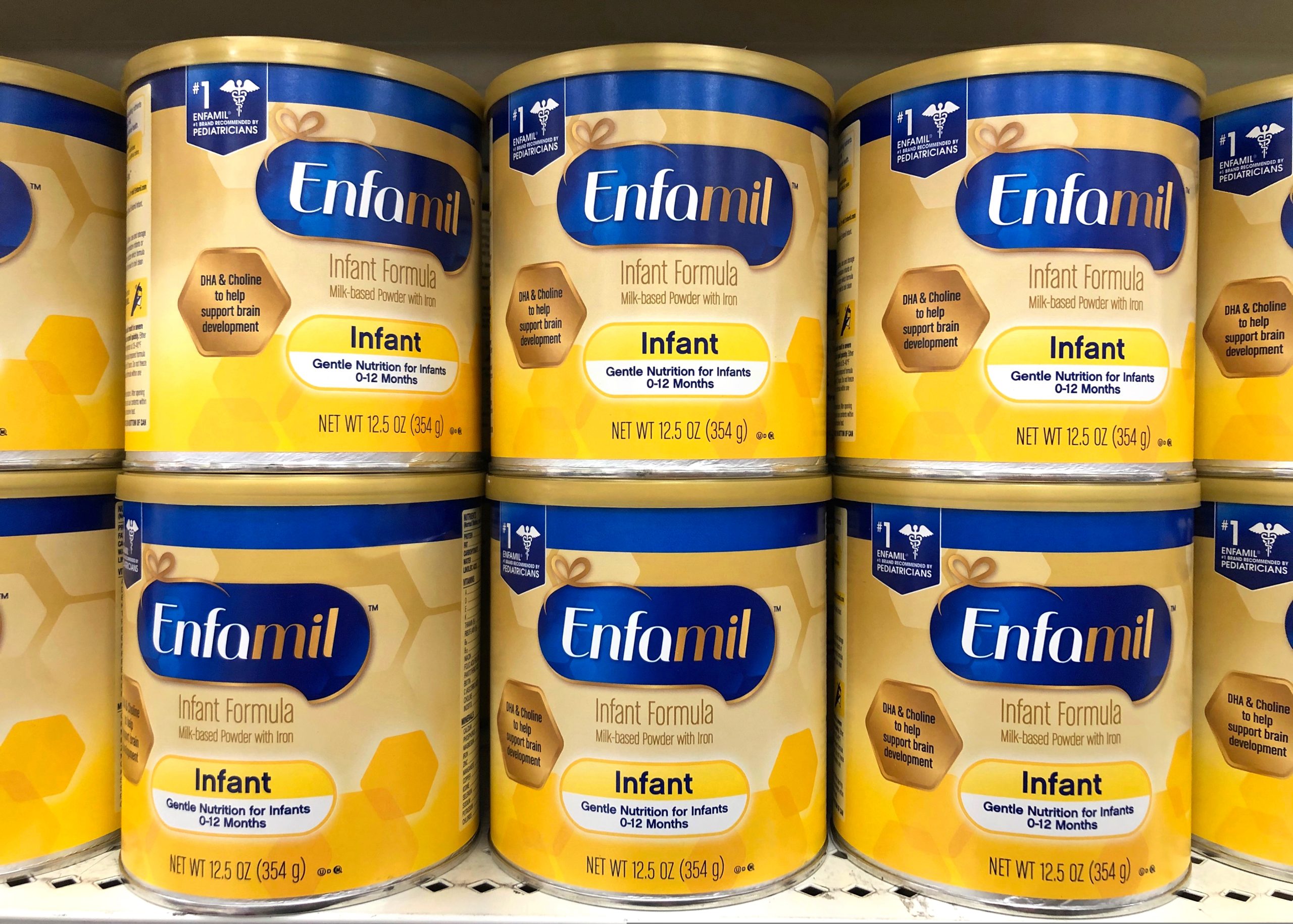
Enfamil owner Reckitt Benckiser has braced itself for a blow to baby formula sales after a tornado caused “significant damage” to a US warehouse.
The tornado struck the warehouse in Mount Vernon, Indiana on 9 July leaving the “important site” damaged and “currently not operational”.
The FMCG giant said the site contained both raw materials and finished products for the Mead Johnson Nutrition business which makes baby formula including Enfamil, so the damage caused by the tornado means sales “will likely be impacted in the short term”.
The Enfamil manufacturer operates a household brand portfolio that also includes popular supermarket brands such as Cillit Bang, Dettol, Strepsil and Vanish. It added that it was working to minimise disruption and had since “diverted all inbound deliveries to our other warehousing facilities”.
Reckitt said: “We confirm that all employees are safe and express our deepest sympathy for those in the community who have been affected by the tornado.”
Subscribe to Grocery Gazette for free
Sign up here to get the latest grocery and food news each morning
“Whilst Nutrition sales will likely be affected in the short term, we are working closely with all our stakeholders including customers and suppliers, to minimise disruption, by leveraging our global supply chain and managing inventory at our other North American Nutrition warehouses and held by our retail partners.”
The London-listed company added that it expected its “comprehensive property damage and business interruption insurance” to “largely offset the impact” on sales.
Reckitt is due to give further information during its half-year results next week, 24 July.
It is also thought Reckitt will also give an update on the impact on its ongoing lawsuits that saw a court rule that its Enfamil brand caused fatal necrotising enterocolitis (NEC) in an infant.
The news in March sent the company’s share price plummeting as it lost £7.3bn ($9.3bn) in value and its market capitalisation plunged to its lowest levels since 2013.