
Lidl reaches record market share amid loyalty scheme revamp

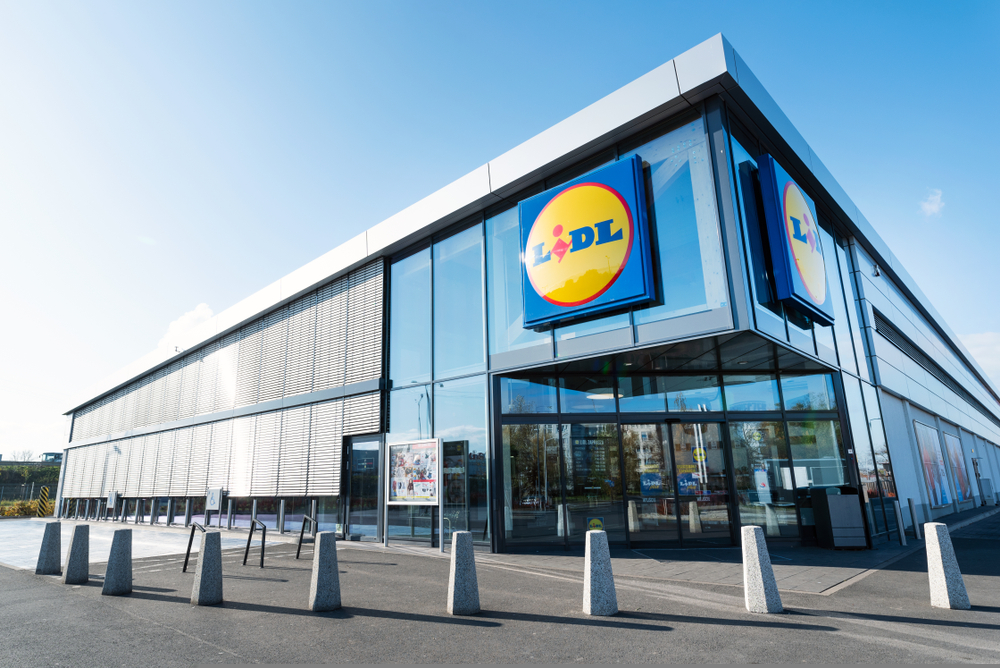
Lidl storefront
DiscountersNewsSupermarkets

Lidl has reached a new record-high grocery market share of 8.1% fuelled by its loyalty scheme and bakery counters.

According to the latest figures from Kantar, freshly baked bread, cake or pastry made it into a quarter of baskets at the discounter over the past 12 weeks, while coupons through the Lidl Plus app helped push volume sales of in-store bakery items up by over 40%.

Last month, data from Kantar found that Lidl was the most popular supermarket bakery, selling an average of 122 croissants every minute and one jam doughnut every second.

The new market share figure comes as the discount grocer revamps its loyalty scheme with new Lidl Plus Offers that provide weekly discounts on a range of products, alongside its existing personalised coupons.

According to Kantar, Ocado also performed well over the 12 weeks to 12 May, having been named the fastest growing grocer yet again, with sales up by 12.4%.


Subscribe to Grocery Gazette for free

Sign up here to get the latest grocery and food news each morning


This figure was well ahead of the total online market, where sales increased by 5.4%.

Ocado now accounts for 1.8% of the grocery market, however this figure rises to 3% in London.

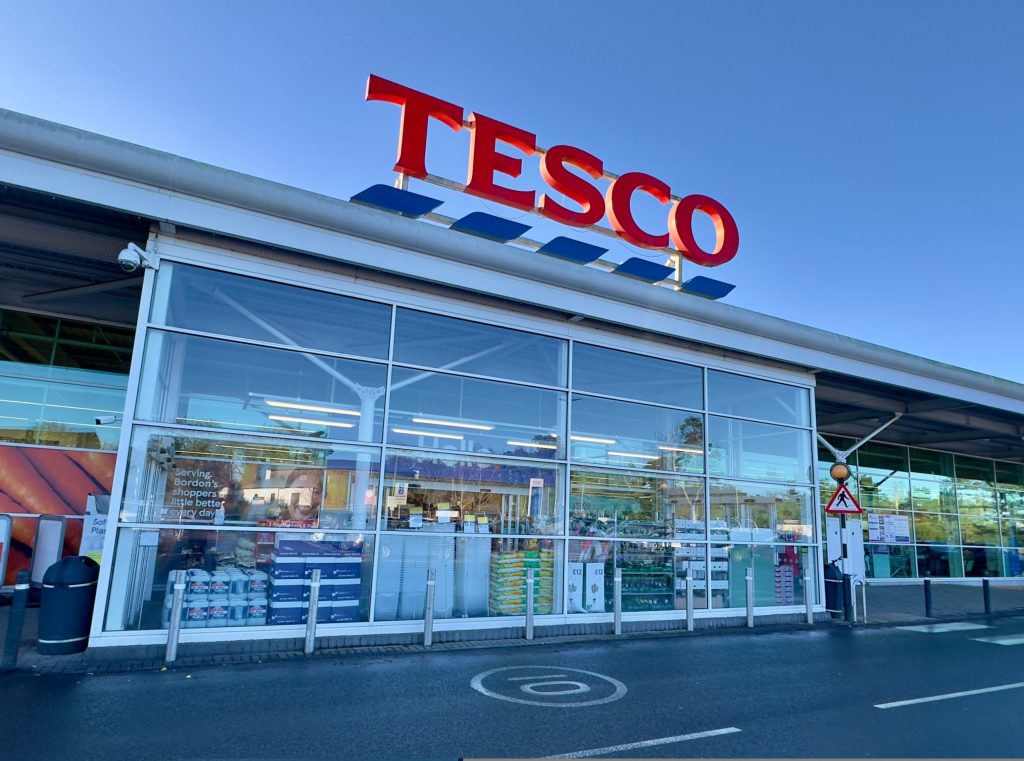
Tesco’s market share has also increased by 0.5 percentage points since last year to 27.6% – its largest annual share gain since January 2022 – while Sainsbury’s share edged up 0.3 percentage points to 15.1%.

It comes as take-home grocery sales rose to 2.9% in the four weeks to 12 May, while grocery price inflation has fallen for the 15th month in a row to 2.4% – the lowest level since October 2021.

Kantar head of retail and consumer insight at Kantar said: “Grocery price inflation is gradually returning to what we would consider more normal levels.

“It’s now sitting only 0.8 percentage points higher than the 10-year average of 1.6% between 2012 and 2021, which is just before prices began to climb.”

He explained that around the 3% inflation rate is when consumer behaviour typically shifts, “with shoppers trading down to cheaper items when the rate goes above this line and vice versa when the rate drops”.

“However, after nearly two and a half years of rapidly rising prices, it could take a bit longer for shoppers to unwind the habits they have learnt to help them manage the cost-of-living crisis.”

Currently, own-label lines are still growing faster than brands, making up over half (52%) of total spending. However, sales of premium own-label ranges are also up by 9.9% compared with a year ago.

DiscountersNewsSupermarkets

Leave a Reply

Your email address will not be published. Required fields are marked *

Fill out this field
Fill out this field
Please enter a valid email address.

Lidl reaches record market share amid loyalty scheme revamp
Lidl storefront
DiscountersNewsSupermarkets

Social

SUBSCRIBE TO OUR DAILY NEWSLETTER

  • This field is for validation purposes and should be left unchanged.

Most Read

Lidl has reached a new record-high grocery market share of 8.1% fuelled by its loyalty scheme and bakery counters.

According to the latest figures from Kantar, freshly baked bread, cake or pastry made it into a quarter of baskets at the discounter over the past 12 weeks, while coupons through the Lidl Plus app helped push volume sales of in-store bakery items up by over 40%.

Last month, data from Kantar found that Lidl was the most popular supermarket bakery, selling an average of 122 croissants every minute and one jam doughnut every second.

The new market share figure comes as the discount grocer revamps its loyalty scheme with new Lidl Plus Offers that provide weekly discounts on a range of products, alongside its existing personalised coupons.

According to Kantar, Ocado also performed well over the 12 weeks to 12 May, having been named the fastest growing grocer yet again, with sales up by 12.4%.


Subscribe to Grocery Gazette for free

Sign up here to get the latest grocery and food news each morning


This figure was well ahead of the total online market, where sales increased by 5.4%.

Ocado now accounts for 1.8% of the grocery market, however this figure rises to 3% in London.

Tesco’s market share has also increased by 0.5 percentage points since last year to 27.6% – its largest annual share gain since January 2022 – while Sainsbury’s share edged up 0.3 percentage points to 15.1%.

It comes as take-home grocery sales rose to 2.9% in the four weeks to 12 May, while grocery price inflation has fallen for the 15th month in a row to 2.4% – the lowest level since October 2021.

Kantar head of retail and consumer insight at Kantar said: “Grocery price inflation is gradually returning to what we would consider more normal levels.

“It’s now sitting only 0.8 percentage points higher than the 10-year average of 1.6% between 2012 and 2021, which is just before prices began to climb.”

He explained that around the 3% inflation rate is when consumer behaviour typically shifts, “with shoppers trading down to cheaper items when the rate goes above this line and vice versa when the rate drops”.

“However, after nearly two and a half years of rapidly rising prices, it could take a bit longer for shoppers to unwind the habits they have learnt to help them manage the cost-of-living crisis.”

Currently, own-label lines are still growing faster than brands, making up over half (52%) of total spending. However, sales of premium own-label ranges are also up by 9.9% compared with a year ago.

DiscountersNewsSupermarkets

Leave a Reply

Your email address will not be published. Required fields are marked *

Fill out this field
Fill out this field
Please enter a valid email address.

RELATED STORIES

Most Read

Latest Feature

Menu

Please enter the verification code sent to your email: