
The jab effect: How weight-loss drugs are reshaping UK grocery
For a growing number of UK shoppers, the weekly food shop has become smaller, but more considered.
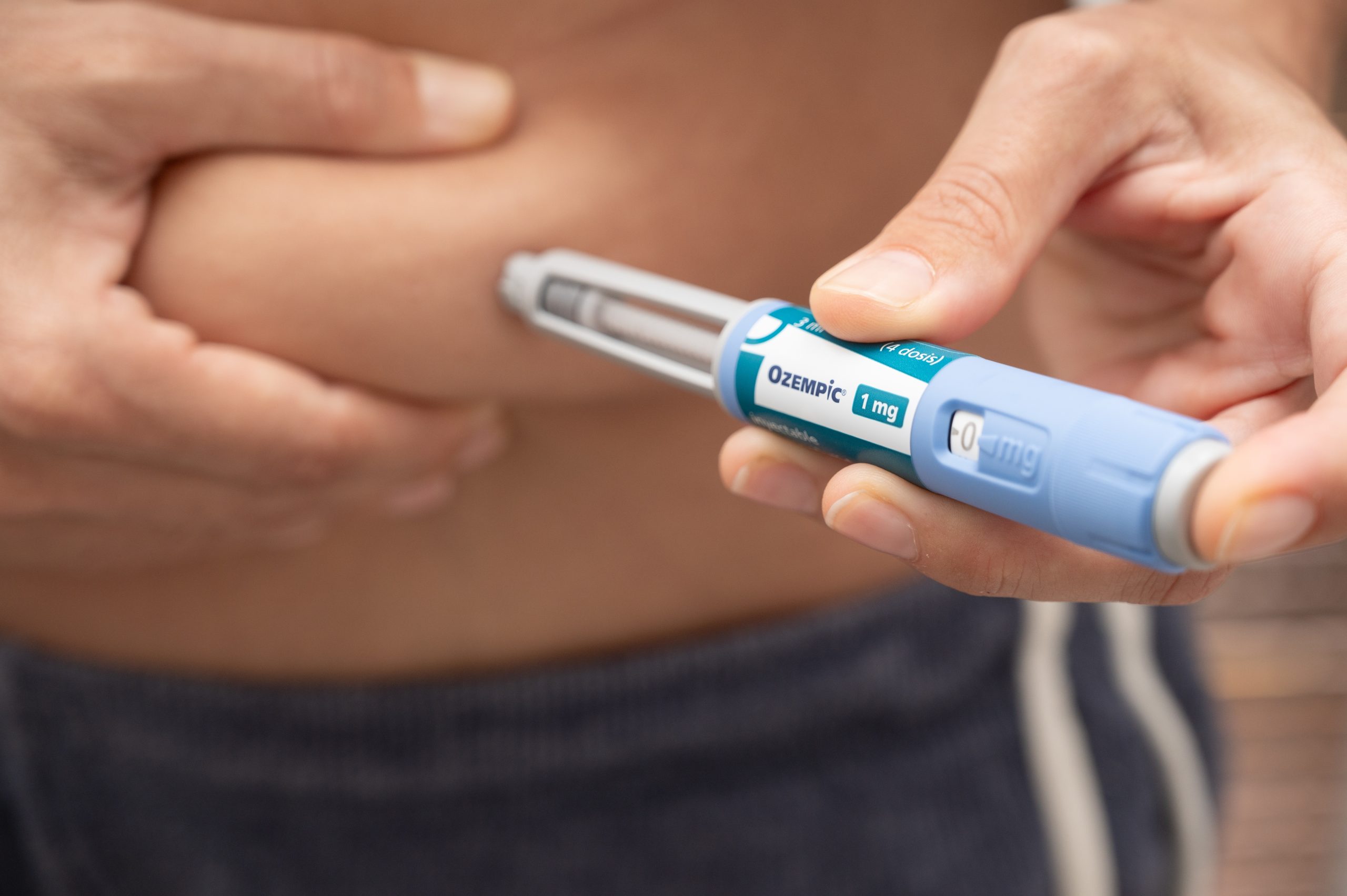
Weight-loss drugs such as Ozempic, Wegovy and Mounjaro suppress appetite, reduce calorie intake and are changing how people eat day to day.
According to data from IGD, sales of these GLP-1 (glucagon-like peptide) medications rose from 3.1% to 4.2% of UK adults between June and September 2025, with 11% now saying they would consider taking them.
And the trend is starting to ripple through the grocery sector.
From reduced snacking and meal sizes to stronger demand for fresh food and protein-rich meals, supermarkets and brands are quietly rethinking what belongs in the basket and what no longer does.
Grocery Gazette sat down with British Nutrition Foundation nutrition scientist Bridget Benelam and IGD shopper insights manager Caroline Young to discuss this new trend and how it is impacting the supermarket shelf.
What “GLP-1 friendly” food actually means
Despite the growing use of the term, there is no formal definition of what “GLP-1 friendly” food means. According to Benelam, it generally refers to smaller portions that are nutritionally dense.
“Most people want a smaller portion,” she said. “But they want it to be nutrient-dense, absolutely.”
Protein and fibre are particularly important. While the UK population is not generally short of protein, Benelam said people using GLP-1 drugs face a higher risk of losing muscle mass as they lose weight, which makes protein intake, ideally spread across meals, more important. Resistance exercise also plays a key role.
Fibre is another priority, particularly because digestive discomfort and constipation are common side effects of weight-loss drugs.
Only 4% of people in the UK meet fibre intake guidelines, according to national dietary data, and eating less food increases the risk further.

“Fibre is really important,” Benelam said. “Not getting enough can worsen digestive issues and increase long-term health risks, including type 2 diabetes and cardiovascular disease.”
She added that micronutrients such as calcium, iron and zinc also need careful attention when calorie intake drops. Benelam warned that unclear language could confuse shoppers if not handled responsibly.
“Whenever there’s a term being used that doesn’t have a specific definition, it could be confusing or misleading,” she said. “But if retailers are clear about the criteria and those criteria are based on evidence and science, that can be helpful.”
However, despite the spike in demand for weight-loss friendly foods, she does not expect formal regulation to arrive quickly.
“This field is moving very fast, and regulation moves slowly,” she said. Adding that, for now, the industry is relying on best practice.
The opportunities for supermarkets and brands
Crucially, Benelam says supermarkets have an opportunity to help consumers make lasting changes, not just eat less.
Young adds that the grocery categories which are already benefiting include fresh produce, water, vitamins and supplements and high protein foods.
Whereas, with 69% of GLP-1 users saying they are snacking less, and the majority claiming to be eating less biscuits, confectionery and crisps, these categories are likely to be hardest hit. Alcohol is another category which is being cut back on.
There are, however, opportunities in all these categories for healthy innovation to appeal to GLP-1 users, Young says.
This is reflected in the new NPD (new product developkment) launches in recent weeks and months.
Supermarkets like M&S, Iceland, Ocado and Co-op have released weight-loss drug-friendly own-brand meal ranges with a focus not just on less calories, but nutrition dense recipes in controlled, smaller portion sizes.
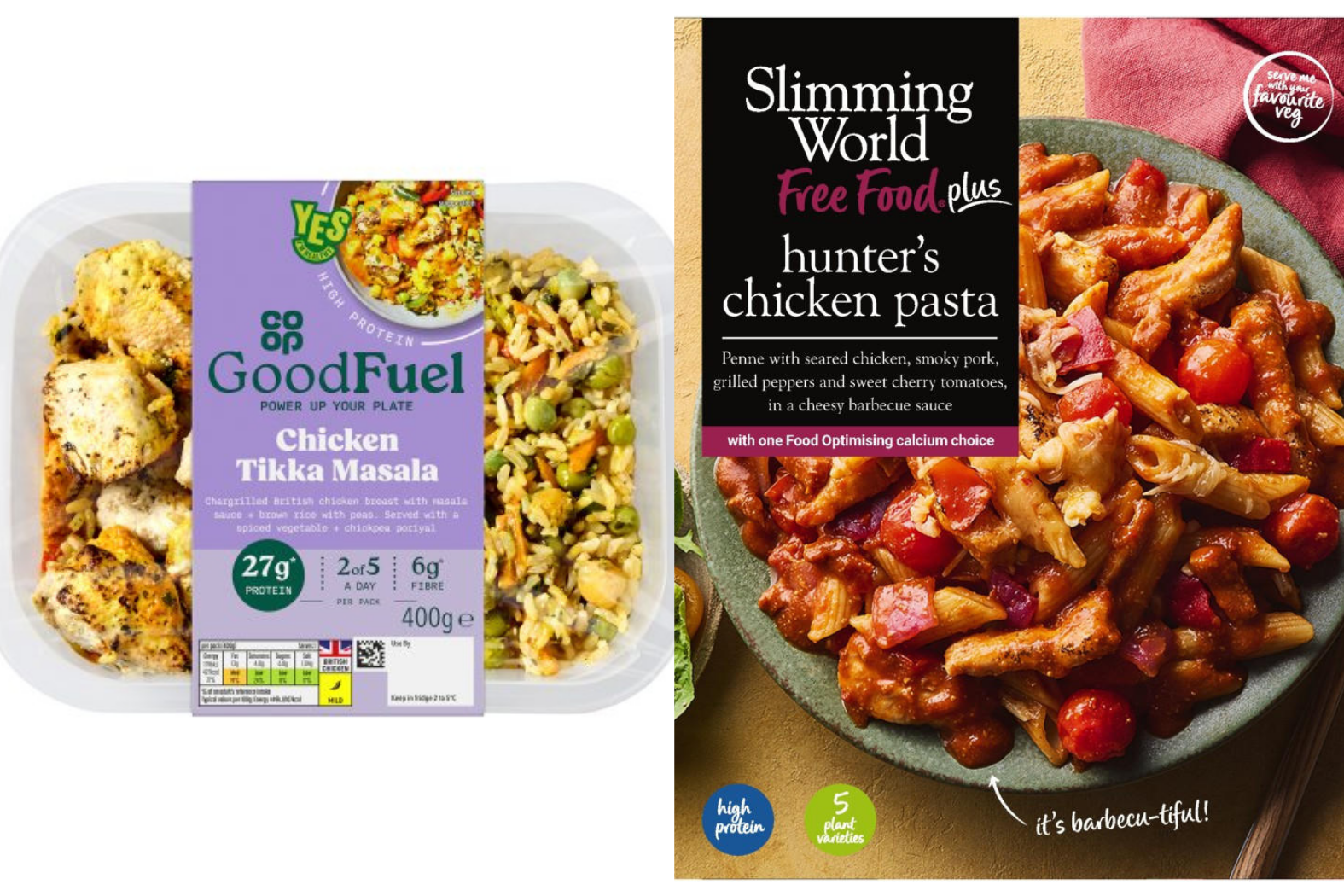
Photo: Co-op and Ocado are among the supermarkets which have launched weight-loss friendly own-brand ranges in recent months
And it seems the other supermarkets are soon to follow suit, with Tesco boss Ken Murphy, saying that the supermarket is watching the trend closely, pointing to strong sales of fresh food and protein-rich products and noting that many of the foods favoured by customers on GLP-1 drugs already sit at the heart of Tesco’s ranges.
“What we don’t want is people just eating less of a poor-quality diet,” Benelam said.“People taking weight-loss drugs have made a decision to improve their health. That’s a real moment of change.”
She added that sustainable dietary habits matter because weight often returns when people stop taking the medication.
However, its not just supermarkets who are cashing-in on the trend. The shift is already being acknowledged at the top of some of the UK’s biggest food brands.
Leon co-founder John Vincent has said the rise of GLP-1 weight-loss drugs broadly aligns with the way his customers want to eat, arguing that people using the medication tend to favour simpler food, lower in sugar and made with recognisable ingredients, while consuming less overall.
He has also pointed to portion size as an emerging consideration, as appetite suppression becomes more common.
Meanwhile, at Greggs, chief executive Roisin Currie has been more explicit about the impact on buying behaviour, saying there is “no doubt” weight-loss jabs are influencing customer choices.
She has highlighted rising interest in protein and fibre, alongside demand for lighter options, prompting the bakery chain to broaden its offering with products such as egg pots and porridge alongside its core savoury lines.
The future of the shopping basket
Looking ahead, Young says IGD data suggests fresh food, high-protein products and nutrient-balanced ready meals are likely to be long-term winners if GLP-1 use continues to rise.
By contrast, categories such as snacking, confectionery, crisps and alcohol appear most at risk, although analysts stress there remain opportunities for innovation within them. And while weight-loss-friendly ready meals represent the clearest early response, the next phase of innovation could stretch much further, from protein-led snacks and functional drinks to clearer signposting, or even dedicated in-store bays designed around the needs of GLP-1 users.
But, Young adds, its not just certain categories that could shrink or grow, but also a chance this trend could push grocery towards premiumisation.
“We have seen some signs of GLP-1 users choosing more premium foods such as organic products, but our research in 2026 will dig deeper into user segments to explore this further,” Young says.

Earlier this month, online grocer Ocado launched a portion-controlled aisle for weight-loss drug users, something that could launch in brick and mortar supermarkets in the future
“There is a wider trend towards premiumisation not purely driven by GLP-1s, but with 2026 looking tough for many households, value will remain critical”
While GLP-1 users remain a minority, analysts say the trend already looks structural rather than seasonal, particularly given uptake in the US and growing openness among UK consumers.
In response, industry bodies are also moving to help retailers respond. IGD has launched a dedicated GLP-1 insight hub to support supermarkets and suppliers in understanding how the drugs are changing shopping behaviour and category demand.
The initiative pulls together consumer research and trend analysis to inform decisions on ranging, merchandising and innovation as GLP-1 usage moves further into the mainstream. In five years’ time, the average grocery shop may not look radically different, but it may be smaller, more deliberate and more nutritionally focused.
As Benelam puts it: “These drugs are here to stay. This isn’t a trend, it’s something the food industry will need to adapt to for the foreseeable future.”