Reckitt’s share price falls to 10-year low amid Abbott formula ruling

Enfamil owner Reckitt Benckiser
FMCGNews

Reckitt Benckiser’s share price has fallen to a 10-year low after a US court ruled that competitor Abbott Laboratories formula had caused a baby to develop a serious bowel condition.

On Friday (26 July), a St Louis jury concluded that Abbott’s specialised formula for premature babies led to a baby developing necrotising enterocolitis (NEC).

The US-based pharmaceutical has been ordered to pay £385m in damages, however it said it intends to appeal the decision, The Guardian reported.

Reckitt, which is facing similar legal action over its Enfamil formula, saw shares fall by 9% to around £40.75-per-share yesterday (29 July).


Subscribe to Grocery Gazette for free

Sign up here to get the latest grocery and food news each morning


Earlier this year, a US court ordered the Nurofen and Durex owner to pay £47.1m ($60m) to a mother whose baby died consuming its Enfamil infant formula.

An Illinois court found that the London-listed consumer good company’s baby formula brand caused NEC in an infant.

Reckitt will face its own NEC-related trial in September as investors wait to see if the company will be subject to additional payouts.

While the lawsuits claim that the companies did not warn doctors that infants given the formula would have a greater risk of a deadly disease than those being breastfed or given human milk-derived formula, both Abbott and Reckitt deny the claims and insist there is no evidence to prove their products cause the bowel condition.

An Abbott spokesperson told the publication: “Verdicts like these, where the science and opinions of healthcare professionals who spend their lives treating these babies are ignored, make it difficult to continue supplying these products indefinitely.”

Reckitt said: “We stand behind the safety and efficacy of our preterm nutrition products, which neonatologists recommend when clinically appropriate as a part of the standard of care in neonatal intensive care units (NICUs).

“Claims by plaintiffs’ lawyers that these products cause NEC are not supported by the science or the medical consensus and are irresponsible.”

FMCGNews

Leave a Reply

Your email address will not be published. Required fields are marked *

Fill out this field
Fill out this field
Please enter a valid email address.

FMCGNews

Share:

Reckitt’s share price falls to 10-year low amid Abbott formula ruling
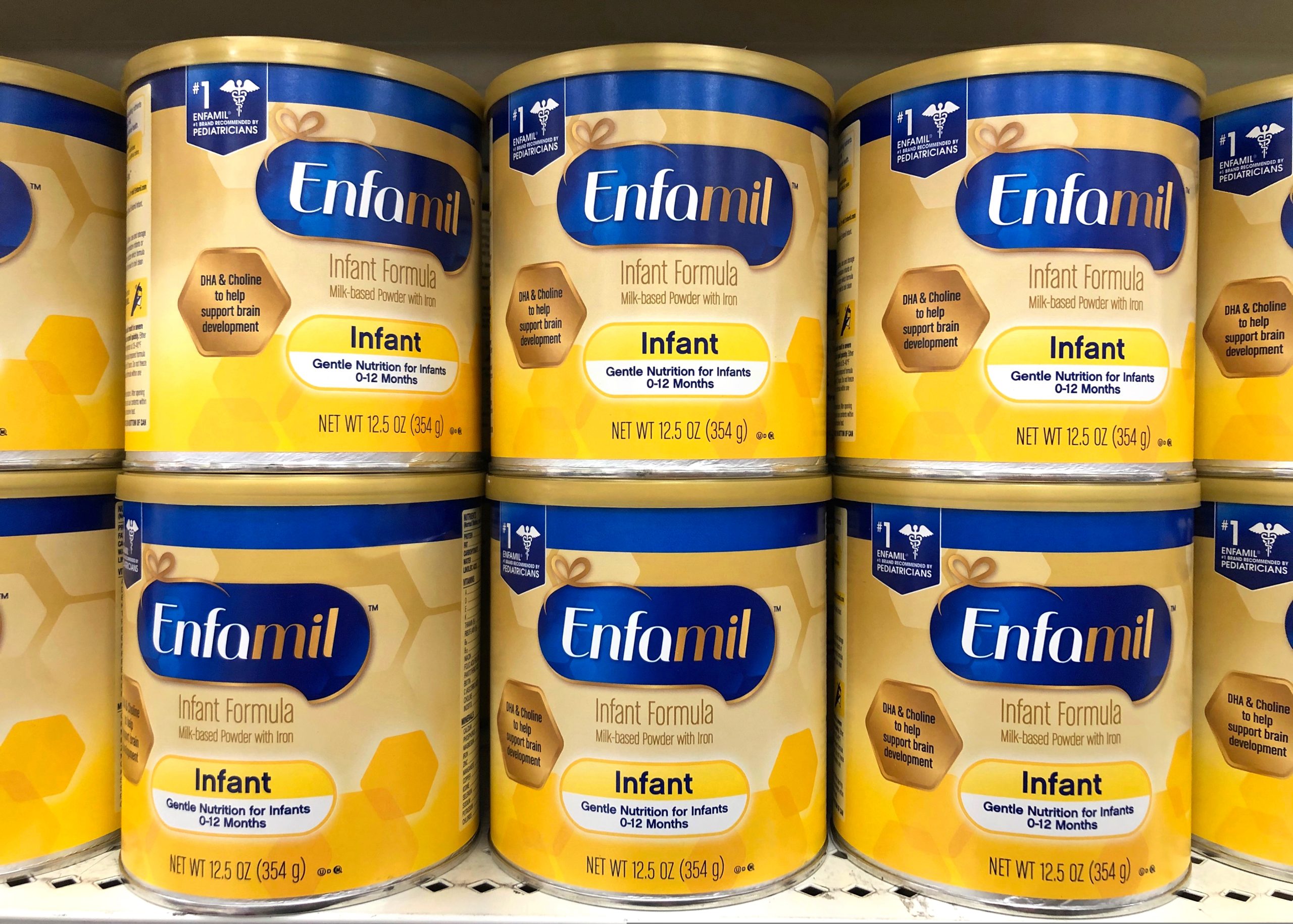
Enfamil owner Reckitt Benckiser

Reckitt Benckiser’s share price has fallen to a 10-year low after a US court ruled that competitor Abbott Laboratories formula had caused a baby to develop a serious bowel condition.

On Friday (26 July), a St Louis jury concluded that Abbott’s specialised formula for premature babies led to a baby developing necrotising enterocolitis (NEC).

The US-based pharmaceutical has been ordered to pay £385m in damages, however it said it intends to appeal the decision, The Guardian reported.

Reckitt, which is facing similar legal action over its Enfamil formula, saw shares fall by 9% to around £40.75-per-share yesterday (29 July).


Subscribe to Grocery Gazette for free

Sign up here to get the latest grocery and food news each morning


Earlier this year, a US court ordered the Nurofen and Durex owner to pay £47.1m ($60m) to a mother whose baby died consuming its Enfamil infant formula.

An Illinois court found that the London-listed consumer good company’s baby formula brand caused NEC in an infant.

Reckitt will face its own NEC-related trial in September as investors wait to see if the company will be subject to additional payouts.

While the lawsuits claim that the companies did not warn doctors that infants given the formula would have a greater risk of a deadly disease than those being breastfed or given human milk-derived formula, both Abbott and Reckitt deny the claims and insist there is no evidence to prove their products cause the bowel condition.

An Abbott spokesperson told the publication: “Verdicts like these, where the science and opinions of healthcare professionals who spend their lives treating these babies are ignored, make it difficult to continue supplying these products indefinitely.”

Reckitt said: “We stand behind the safety and efficacy of our preterm nutrition products, which neonatologists recommend when clinically appropriate as a part of the standard of care in neonatal intensive care units (NICUs).

“Claims by plaintiffs’ lawyers that these products cause NEC are not supported by the science or the medical consensus and are irresponsible.”

FMCGNews

Social

SUBSCRIBE TO OUR DAILY NEWSLETTER

  • This field is for validation purposes and should be left unchanged.

Most Read

FMCGNews

Leave a Reply

Your email address will not be published. Required fields are marked *

Fill out this field
Fill out this field
Please enter a valid email address.

RELATED STORIES

Most Read

Latest Feature

Menu

Please enter the verification code sent to your email: