
AI-powered shopping carts linked to 32% higher supermarket spend

AI-powered shopping carts
InnovationNewsSupermarkets

Supermarkets deploying smart shopping carts could see a uplift in customer spend, according to new research from Bayes Business School at City St George’s, University of London.

The study found shoppers using smart trolleys spent 32 per cent more on average than customers using standard carts. Smart-cart users also bought 25 per cent more items and remained in store 23 per cent longer, suggesting that in-aisle digital assistance may influence both basket size and shopping behaviour.

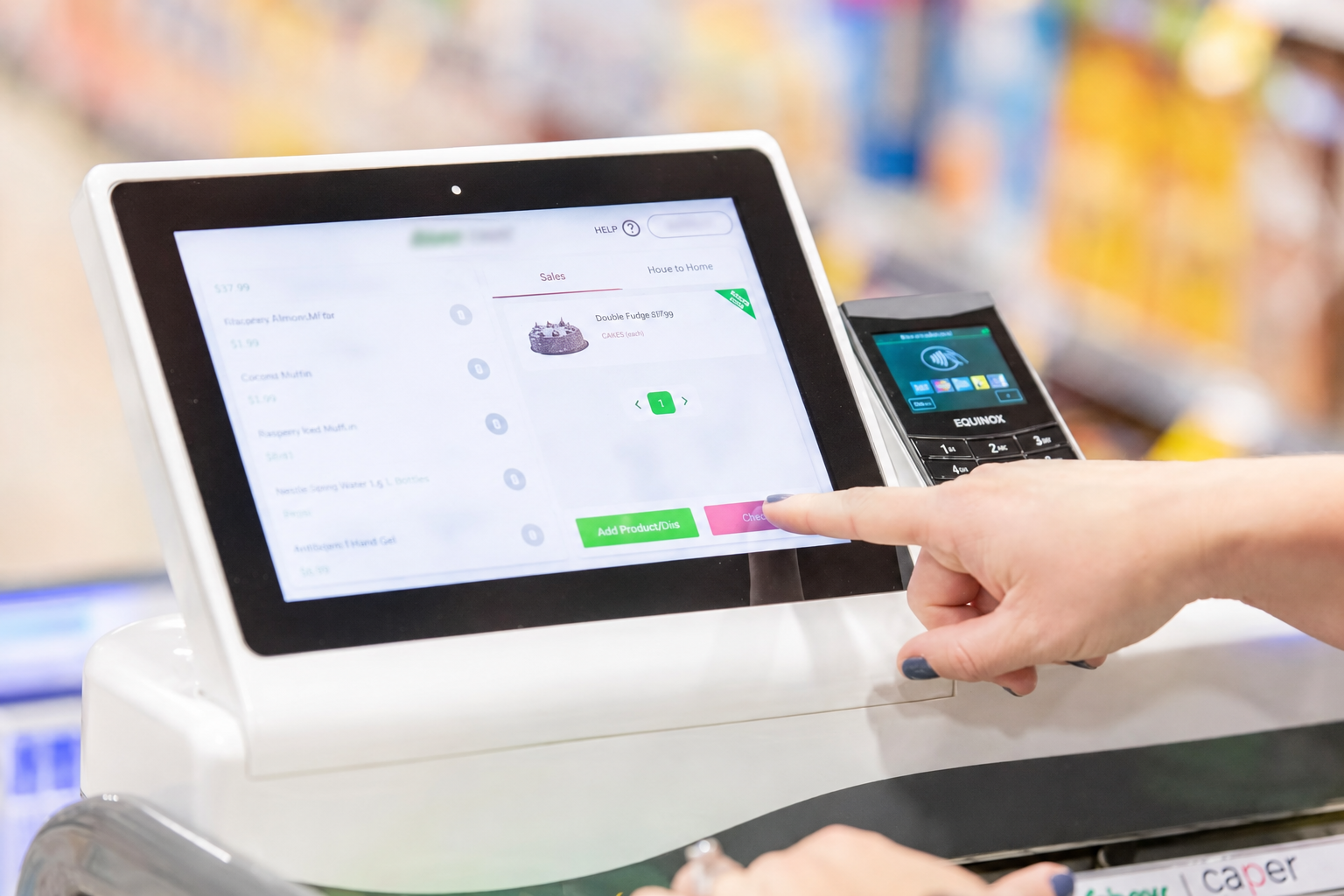
The research examined the effect of a digitised shopping journey using smart trolleys fitted with handlebar tablets. The screens enabled shoppers to upload digital lists, receive personalised product recommendations, navigate the store and pay without joining a traditional checkout queue.

Researchers analysed 12,418 shopping sessions over a one-month period in March 2025 at a major German supermarket chain. Of those, 9,422 sessions involved a shopper using one of the AI-enabled carts.

For each visit, the team recorded basket value, number of items purchased and total time spent in store. Trips were also analysed by day of week and time of day, while screen interactions were tracked across features including lists, recommendations, navigation and advertising.

According to the data, smart-cart users purchased an average of 12.02 items compared with 9.61 items among non-users. They also spent an average of 40.40 minutes in store, compared with 32.75 minutes for shoppers using standard trolleys.

The spending uplift was most pronounced during afternoons and at weekends, while the longest trips occurred in the evening. Researchers also noted that higher temperatures appeared to shorten shopping trips across both groups.


Subscribe to Grocery Gazette for free

Sign up here to get the latest grocery and food news each morning


Lead author Dr Sabrina Gottschalk, Lecturer in Marketing at Bayes Business School, said the findings point to a revenue opportunity for retailers investing in in-store technology.

“Retailers are increasingly using technology to enhance the shopping experience for consumers, and our findings suggest there may be significant revenue gains from doing so effectively. As well as guiding customers towards special offers and new products, digitalization induces increased engagement and additional advertising platforms,” she said.

The study also found that the most active smart-cart users — defined as shoppers with more than 20 screen interactions in a single trip — bought significantly more items and spent longer in store, but did not spend more overall. At very high levels of screen interaction, both spending and basket size began to fall.

The researchers said the results show clear commercial potential, although the findings also leave room for interpretation. Smart carts may encourage higher spend through recommendations and offers, but shoppers who choose the technology may already be more engaged or more likely to buy a larger basket.

Dr Yusuf Oc, co-author of the study published in the Journal of Business Research, said: “Our research shows clear spikes in spending and consumption for those deciding to use in-store digital assistance, suggesting that retailers should offer this technology and entice customers to use it – perhaps with a promise of loyalty points or prizes.”

For grocers, the findings suggest smart carts could become more than a convenience upgrade. Used carefully, they may serve as a personalised shopping assistant, promotional platform and data-rich engagement tool at the point where purchase decisions are made.

Currently, Morrisons is the only supermarket chain in the UK using AI-powered shopping carts.

InnovationNewsSupermarkets

Leave a Reply

Your email address will not be published. Required fields are marked *

Fill out this field
Fill out this field
Please enter a valid email address.

AI-powered shopping carts linked to 32% higher supermarket spend
AI-powered shopping carts

Supermarkets deploying smart shopping carts could see a uplift in customer spend, according to new research from Bayes Business School at City St George’s, University of London.

The study found shoppers using smart trolleys spent 32 per cent more on average than customers using standard carts. Smart-cart users also bought 25 per cent more items and remained in store 23 per cent longer, suggesting that in-aisle digital assistance may influence both basket size and shopping behaviour.

The research examined the effect of a digitised shopping journey using smart trolleys fitted with handlebar tablets. The screens enabled shoppers to upload digital lists, receive personalised product recommendations, navigate the store and pay without joining a traditional checkout queue.

Researchers analysed 12,418 shopping sessions over a one-month period in March 2025 at a major German supermarket chain. Of those, 9,422 sessions involved a shopper using one of the AI-enabled carts.

For each visit, the team recorded basket value, number of items purchased and total time spent in store. Trips were also analysed by day of week and time of day, while screen interactions were tracked across features including lists, recommendations, navigation and advertising.

According to the data, smart-cart users purchased an average of 12.02 items compared with 9.61 items among non-users. They also spent an average of 40.40 minutes in store, compared with 32.75 minutes for shoppers using standard trolleys.

The spending uplift was most pronounced during afternoons and at weekends, while the longest trips occurred in the evening. Researchers also noted that higher temperatures appeared to shorten shopping trips across both groups.


Subscribe to Grocery Gazette for free

Sign up here to get the latest grocery and food news each morning


Lead author Dr Sabrina Gottschalk, Lecturer in Marketing at Bayes Business School, said the findings point to a revenue opportunity for retailers investing in in-store technology.

“Retailers are increasingly using technology to enhance the shopping experience for consumers, and our findings suggest there may be significant revenue gains from doing so effectively. As well as guiding customers towards special offers and new products, digitalization induces increased engagement and additional advertising platforms,” she said.

The study also found that the most active smart-cart users — defined as shoppers with more than 20 screen interactions in a single trip — bought significantly more items and spent longer in store, but did not spend more overall. At very high levels of screen interaction, both spending and basket size began to fall.

The researchers said the results show clear commercial potential, although the findings also leave room for interpretation. Smart carts may encourage higher spend through recommendations and offers, but shoppers who choose the technology may already be more engaged or more likely to buy a larger basket.

Dr Yusuf Oc, co-author of the study published in the Journal of Business Research, said: “Our research shows clear spikes in spending and consumption for those deciding to use in-store digital assistance, suggesting that retailers should offer this technology and entice customers to use it – perhaps with a promise of loyalty points or prizes.”

For grocers, the findings suggest smart carts could become more than a convenience upgrade. Used carefully, they may serve as a personalised shopping assistant, promotional platform and data-rich engagement tool at the point where purchase decisions are made.

Currently, Morrisons is the only supermarket chain in the UK using AI-powered shopping carts.

InnovationNewsSupermarkets

Social

SUBSCRIBE TO OUR DAILY NEWSLETTER

  • This field is for validation purposes and should be left unchanged.

Most Read

Most Read

InnovationNewsSupermarkets

Leave a Reply

Your email address will not be published. Required fields are marked *

Fill out this field
Fill out this field
Please enter a valid email address.

RELATED STORIES

Latest Feature

Menu

Please enter the verification code sent to your email: