
CMA moves to bring Aldi and Lidl under major supermarket land rules

Aldi and Lidl could be forced to comply with the same land agreement rules as the UK’s biggest supermarket chains after the Competition and Markets Authority (CMA) provisionally decided the discounters now qualify as Large Grocery Retailers.
The watchdog said Aldi, Lidl GB and Lidl Northern Ireland should be brought within the scope of the Groceries Market Investigation (Controlled Land) Order 2010. This regime is designed to stop major grocers using restrictive covenants or exclusivity arrangements to make it harder for rival supermarkets to open nearby.
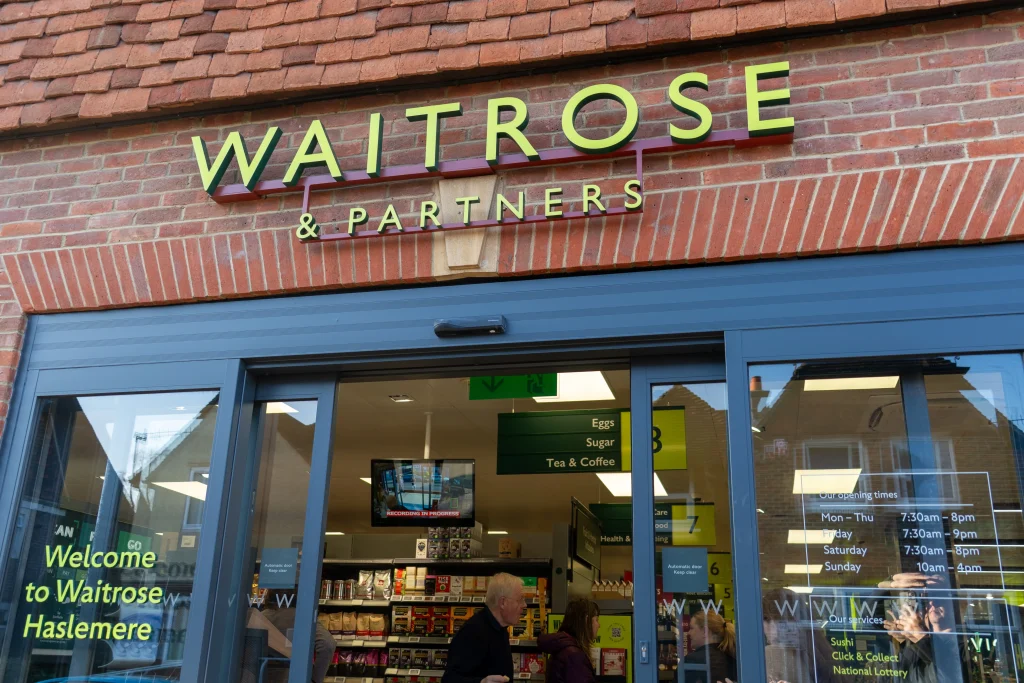
The order already applies to Asda, Co-op, Marks and Spencer, Morrisons, Sainsbury’s, Tesco and Waitrose. If confirmed, the CMA’s decision would mark a significant regulatory shift for the German-owned discounters, which were excluded from the rules when they were introduced in 2010 because they were classed as limited assortment discounters.
The CMA said its provisional view reflects the scale and geographic coverage of Aldi and Lidl’s store estates; the breadth of their grocery ranges; and the way they buy products directly from suppliers through integrated wholesaling operations.
The review comes as the two discounters remain among the UK’s largest grocery retailers, with the CMA citing an estimated £215bn UK food and grocery market.
CMA also noted that Aldi and Lidl rank among the country’s top five retailers by market share.
Subscribe to Grocery Gazette for free
Sign up here to get the latest grocery and food news each morning
When the order was created 16 years ago, Aldi and Lidl were excluded because their UK businesses were considered to sell a much narrower range of groceries at low prices.
However, the CMA has now provisionally found that Aldi, Lidl GB and Lidl NI no longer meet the limited assortment discounter definition.
Their larger grocery stores, defined as those with more than 1,000 sq m of shopfloor space, now operate across Great Britain or Northern Ireland.
Each retailer carries what the CMA considers to be a full range of groceries, even if choice within some categories remains narrower than at some traditional supermarkets. And, each business buys groceries directly from suppliers through an integrated wholesale function.
The watchdog said bringing the discounters into the regime would help ensure they compete on the same basis as other large grocers when securing or developing store sites.
“We want everyone to have the best choice of supermarket and range of prices when buying their groceries,” Juliette Enser, executive director of competition enforcement and markets at the CMA said.
“To ensure this happens, we put rules in place to prevent big supermarket chains blocking rival stores from opening nearby – and now we propose applying those rules to Aldi and Lidl too.
“This is about allowing shoppers to choose where they spend their money and levelling the playing field for all major supermarkets. Today’s proposals are provisional and we welcome views before deciding the best way forward.”
The CMA has not yet made a final decision and is inviting stakeholders to respond to its provisional findings by 5pm on Monday 7 September 2026. Final decisions are expected in the autumn.
New research from Savills recently stressed that UK retail parks are becoming “effectively full” as Aldi, Lidl and other value-led retailers continue to compete for a shrinking pool of available units.