
Aldi tops retail ‘Creator World Cup’ as brands sidestep sponsorship costs

Aldi
MarketingNews

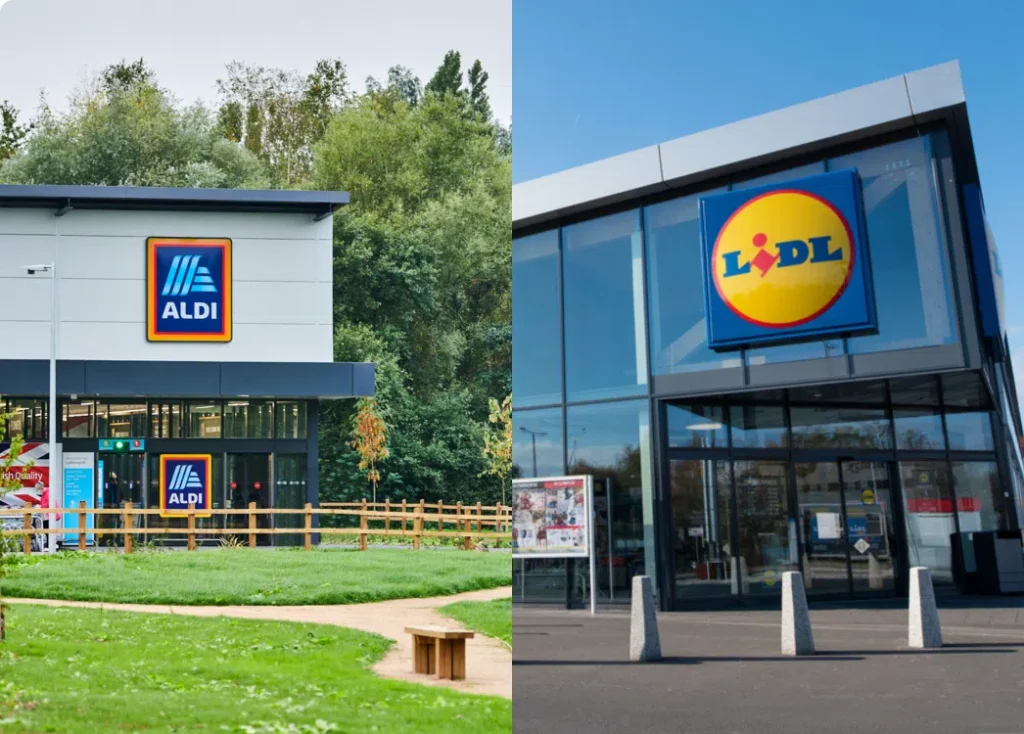
Aldi generated the largest share of UK retail creator content surrounding the 2026 FIFA World Cup, beating eBay, Boots, Marks & Spencer and Tesco despite holding no official tournament sponsorship rights.

The company accounted for 34.08 per cent of creator share of voice among the leading retailers activating around football and World Cup-related content, according to new research from global social agency Billion Dollar Boy.

E-commerce marketplace eBay followed closely behind with a 30.67 per cent share, while Boots completed the top three at 12.37 per cent.

Marks & Spencer claimed 9.81 per cent of creator share of voice and Tesco recorded 9.18 per cent, the analysis found.

The ranking was produced using Billion Dollar Boy’s proprietary technology platform, Companion, which analysed retailers’ creator activity during the tournament.

None of the five retailers identified in the study appeared among FIFA’s official commercial partners, sponsors or tournament supporters. Official partners receive exclusive rights to associate their brands with the tournament, while non-sponsors must avoid creating the impression of a commercial connection with FIFA or the competition.

Despite those restrictions, Billion Dollar Boy said retailers were able to place themselves within matchday culture by using creators, topical content and football-related trends without relying on official tournament branding.

Aldi’s activity included nation-themed recipes designed to connect its food range with the countries competing in the tournament.

Meanwhile, eBay used interactive live auctions to tap into interest in football merchandise and collectables. The marketplace hosted livestreams featuring World Cup stickers, trading cards and auctions in the build-up to and during the competition.

Billion Dollar Boy US managing director Piet Southey said the findings showed brands did not need to pay for official licensing rights to secure attention around major sporting occasions.

“Our World Cup data proves how non-official retail partners can successfully hijack the tournament narrative,” he said.

“By pairing creator talent with social-first executions – from Aldi’s nation-themed recipes to eBay’s interactive live auctions – top retailers won mass engagement without paying official licensing fees.”

Southey argued that creator partnerships offered retailers greater speed and cultural relevance than conventional advertising campaigns.

“Creators give retail brands what traditional ads can’t: immediate relevance, peer-to-peer trust and cultural speed,” he added.

“Major cultural events aren’t won in the stadium anymore; they’re won on the second screen. While traditional sponsors pay massive premiums, agile retailers can leverage creators who sit directly inside consumer feeds.”

FIFA maintains extensive protections around tournament names, logos, emblems, slogans and other assets. Its guidance says companies must not use official intellectual property or otherwise suggest that they are a tournament rights holder when no sponsorship or licensing agreement exists.

The research suggests retailers can nevertheless participate in major sporting moments by focusing on wider fan behaviours, including matchday food, national culture, football fashion and collectables.

Sign up here to get the latest grocery and food news each morning

MarketingNews

Leave a Reply

Your email address will not be published. Required fields are marked *

Fill out this field
Fill out this field
Please enter a valid email address.

MarketingNews

Share:

Aldi tops retail ‘Creator World Cup’ as brands sidestep sponsorship costs
Aldi

Aldi generated the largest share of UK retail creator content surrounding the 2026 FIFA World Cup, beating eBay, Boots, Marks & Spencer and Tesco despite holding no official tournament sponsorship rights.

The company accounted for 34.08 per cent of creator share of voice among the leading retailers activating around football and World Cup-related content, according to new research from global social agency Billion Dollar Boy.

E-commerce marketplace eBay followed closely behind with a 30.67 per cent share, while Boots completed the top three at 12.37 per cent.

Marks & Spencer claimed 9.81 per cent of creator share of voice and Tesco recorded 9.18 per cent, the analysis found.

The ranking was produced using Billion Dollar Boy’s proprietary technology platform, Companion, which analysed retailers’ creator activity during the tournament.

None of the five retailers identified in the study appeared among FIFA’s official commercial partners, sponsors or tournament supporters. Official partners receive exclusive rights to associate their brands with the tournament, while non-sponsors must avoid creating the impression of a commercial connection with FIFA or the competition.

Despite those restrictions, Billion Dollar Boy said retailers were able to place themselves within matchday culture by using creators, topical content and football-related trends without relying on official tournament branding.

Aldi’s activity included nation-themed recipes designed to connect its food range with the countries competing in the tournament.

Meanwhile, eBay used interactive live auctions to tap into interest in football merchandise and collectables. The marketplace hosted livestreams featuring World Cup stickers, trading cards and auctions in the build-up to and during the competition.

Billion Dollar Boy US managing director Piet Southey said the findings showed brands did not need to pay for official licensing rights to secure attention around major sporting occasions.

“Our World Cup data proves how non-official retail partners can successfully hijack the tournament narrative,” he said.

“By pairing creator talent with social-first executions – from Aldi’s nation-themed recipes to eBay’s interactive live auctions – top retailers won mass engagement without paying official licensing fees.”

Southey argued that creator partnerships offered retailers greater speed and cultural relevance than conventional advertising campaigns.

“Creators give retail brands what traditional ads can’t: immediate relevance, peer-to-peer trust and cultural speed,” he added.

“Major cultural events aren’t won in the stadium anymore; they’re won on the second screen. While traditional sponsors pay massive premiums, agile retailers can leverage creators who sit directly inside consumer feeds.”

FIFA maintains extensive protections around tournament names, logos, emblems, slogans and other assets. Its guidance says companies must not use official intellectual property or otherwise suggest that they are a tournament rights holder when no sponsorship or licensing agreement exists.

The research suggests retailers can nevertheless participate in major sporting moments by focusing on wider fan behaviours, including matchday food, national culture, football fashion and collectables.

Sign up here to get the latest grocery and food news each morning

MarketingNews

Social

SUBSCRIBE TO OUR DAILY NEWSLETTER

  • This field is for validation purposes and should be left unchanged.

Most Read

Most Read

MarketingNews

Leave a Reply

Your email address will not be published. Required fields are marked *

Fill out this field
Fill out this field
Please enter a valid email address.

RELATED STORIES

Latest Feature

Menu

Please enter the verification code sent to your email: