
Tesco takes one in three supermarket transactions in widening grocery divide

Tesco
News

Tesco accounts for more than a third of supermarket transactions among a sample of UK credit-card customers, with new research highlighting sharp regional and generational differences in where Britons shop.

The UK’s largest grocer represented 33.6 per cent of supermarket transactions analysed by credit provider Zable, placing it comfortably ahead of Sainsbury’s at 14.88 per cent and Asda at 14.41 per cent.

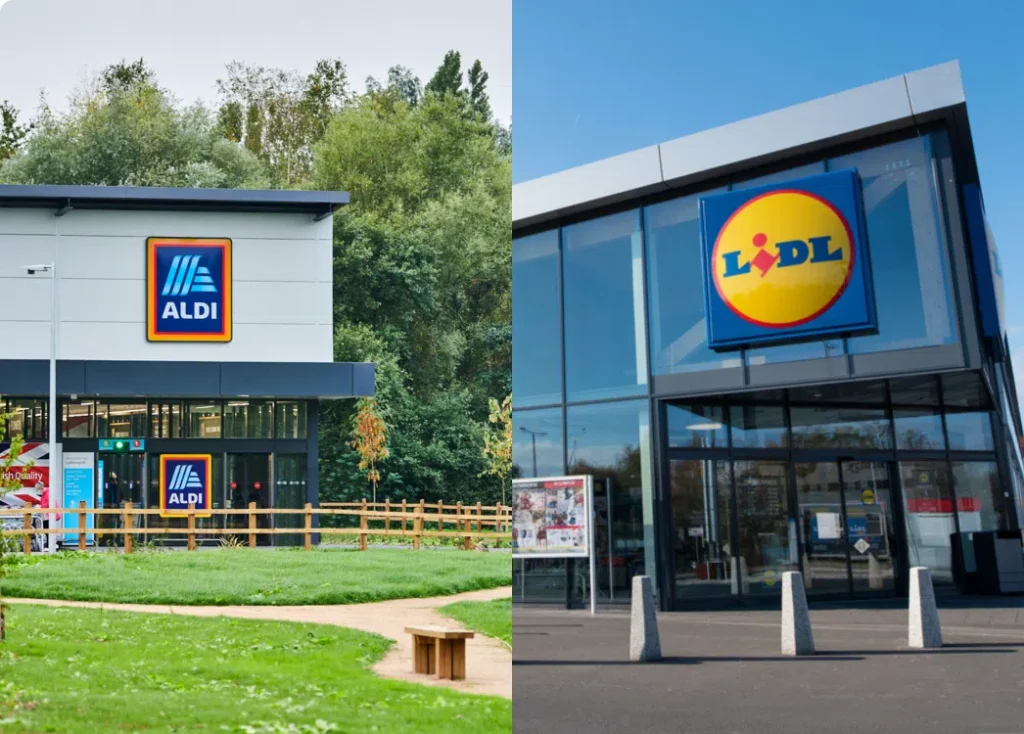
Morrisons followed with a 10.73 per cent share of transactions, narrowly ahead of Aldi at 10.5 per cent, while Lidl accounted for 9.53 per cent. M&S Food and Waitrose took 4.71 per cent and 1.65 per cent, respectively. Tesco visits peaked at around 5pm, suggesting the grocer attracts significant after-work and early-evening trade.

Sainsbury’s dominates in London as Asda performs strongly in the north

The study uncovered a pronounced regional divide between the major supermarkets.

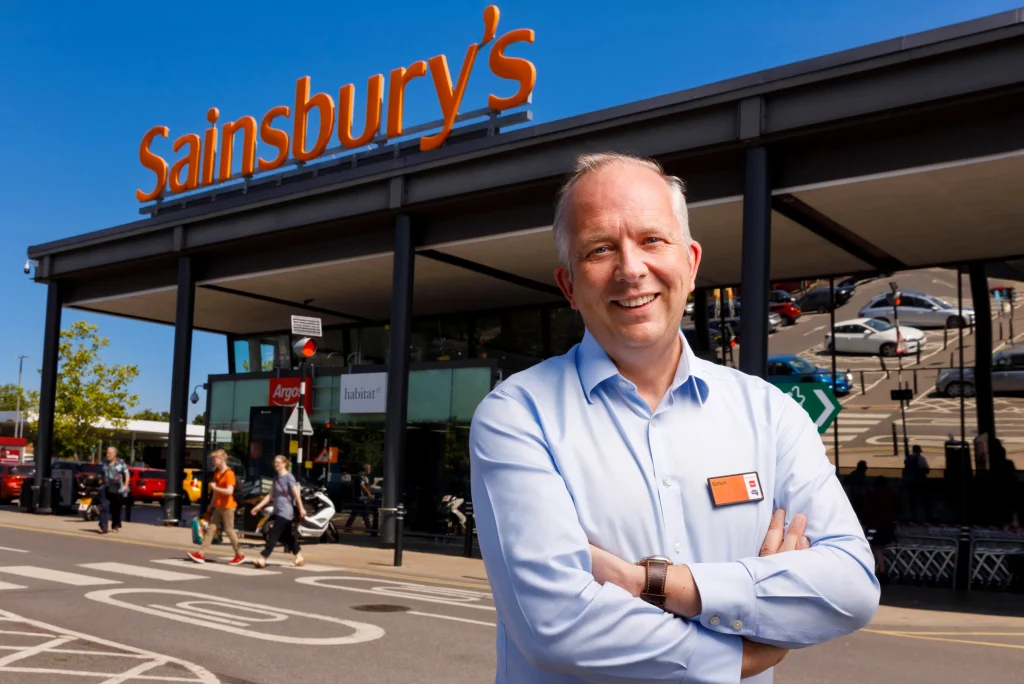
Sainsbury’s accounted for almost a quarter of the transactions analysed in London at 24.9 per cent, significantly above its national figure.

Asda performed particularly strongly across northern and post-industrial towns and cities. The supermarket represented 29.1 per cent of transactions in Wigan and also led the rankings in Newcastle, Bolton and Wakefield.

There was also a clear generational split. Shoppers aged 50 and over generated 35.6 per cent of the Waitrose transactions and 34.6 per cent of those at M&S Food, giving the premium retailers the oldest customer profiles in the study’s sample.

Aldi, Lidl and Asda proved most popular among customers aged between 40 and 49, suggesting value-led grocers are particularly important to middle-aged households balancing larger grocery baskets with continued pressure on disposable incomes.

Tesco transaction share outstrips its grocery market share

The findings should not be read as a measure of the supermarkets’ share of total UK grocery spending.

The study examined anonymised transactions made using its credit cards between 2024 and 2025. It measured the number of transactions at eight selected supermarkets rather than the total value of their sales, and did not include several major operators such as Co-op, Iceland and Ocado.

By comparison, the latest Worldpanel by Numerator figures put Tesco’s share of the wider British grocery market at 27.9 per cent in the 12 weeks to 12 July.

Sainsbury’s held 15.2 per cent, Asda 11.5 per cent, Aldi 10.8 per cent, Morrisons 8.5 per cent and Waitrose 4.4 per cent. Lidl recorded the biggest market-share gain of any grocer during the period as its sales jumped 8.6 per cent.

The gap between Tesco’s share of Zable transactions and its share of grocery sales may indicate that customers visit the supermarket frequently but make some smaller purchases. However, basket values were not published, so the research cannot establish how much the average customer spent on each visit.

Cost pressures keep shoppers focused on value

The research lands at a time of increased pressure for grocers, as food inflation continues to reshape shopping behaviour and intensify competition between supermarkets.

Grocery inflation slowed to 2.6 per cent during the four weeks to 12 July, its lowest level since December 2024, although households are still paying substantially more for food than a year ago.

The average household spent £5,530 on groceries during the 12 months to July, an increase of £156 year on year. Shoppers made 497 million grocery trips during the latest four-week period, averaging 17 visits per household and marking the highest number recorded since March 2020.

Tesco has strengthened its position through a combination of Aldi Price Match, Clubcard Prices, convenience stores and online grocery services.

It ended its 2025/26 financial year with a 28.5 per cent UK market share, up 24 basis points, after outperforming the grocery market in both value and volume terms. Tesco has also rolled out personalised Your Clubcard Prices to 1.5 million customers as it uses loyalty data to tailor promotions more closely to individual households.

Sainsbury’s has also invested heavily in loyalty pricing and its core food proposition. Its grocery sales rose 5.2 per cent during the year to 28 February, accompanied by volume growth and market-share gains.

Its grocery sales increased a further 3.6 per cent during its latest quarter. It offered Nectar Prices on about 11,000 products each week, with customers saving an average of more than £16 on an £80-plus weekly shop. Almost one million more customers were also regularly using Digital Nectar compared with the previous year.

Meanwhile, the rapid expansion of the discounters continues to alter Britain’s grocery landscape. Lidl has overtaken Morrisons to become the country’s fifth-largest grocer, while M&S Food’s grocery sales surged 16 per cent during the latest 12-week period.

Sign up here to get the latest grocery and food news each morning

News

Leave a Reply

Your email address will not be published. Required fields are marked *

Fill out this field
Fill out this field
Please enter a valid email address.

News

Share:

Tesco takes one in three supermarket transactions in widening grocery divide

Tesco

Tesco accounts for more than a third of supermarket transactions among a sample of UK credit-card customers, with new research highlighting sharp regional and generational differences in where Britons shop.

The UK’s largest grocer represented 33.6 per cent of supermarket transactions analysed by credit provider Zable, placing it comfortably ahead of Sainsbury’s at 14.88 per cent and Asda at 14.41 per cent.

Morrisons followed with a 10.73 per cent share of transactions, narrowly ahead of Aldi at 10.5 per cent, while Lidl accounted for 9.53 per cent. M&S Food and Waitrose took 4.71 per cent and 1.65 per cent, respectively. Tesco visits peaked at around 5pm, suggesting the grocer attracts significant after-work and early-evening trade.

Sainsbury’s dominates in London as Asda performs strongly in the north

The study uncovered a pronounced regional divide between the major supermarkets.

Sainsbury’s accounted for almost a quarter of the transactions analysed in London at 24.9 per cent, significantly above its national figure.

Asda performed particularly strongly across northern and post-industrial towns and cities. The supermarket represented 29.1 per cent of transactions in Wigan and also led the rankings in Newcastle, Bolton and Wakefield.

There was also a clear generational split. Shoppers aged 50 and over generated 35.6 per cent of the Waitrose transactions and 34.6 per cent of those at M&S Food, giving the premium retailers the oldest customer profiles in the study’s sample.

Aldi, Lidl and Asda proved most popular among customers aged between 40 and 49, suggesting value-led grocers are particularly important to middle-aged households balancing larger grocery baskets with continued pressure on disposable incomes.

Tesco transaction share outstrips its grocery market share

The findings should not be read as a measure of the supermarkets’ share of total UK grocery spending.

The study examined anonymised transactions made using its credit cards between 2024 and 2025. It measured the number of transactions at eight selected supermarkets rather than the total value of their sales, and did not include several major operators such as Co-op, Iceland and Ocado.

By comparison, the latest Worldpanel by Numerator figures put Tesco’s share of the wider British grocery market at 27.9 per cent in the 12 weeks to 12 July.

Sainsbury’s held 15.2 per cent, Asda 11.5 per cent, Aldi 10.8 per cent, Morrisons 8.5 per cent and Waitrose 4.4 per cent. Lidl recorded the biggest market-share gain of any grocer during the period as its sales jumped 8.6 per cent.

The gap between Tesco’s share of Zable transactions and its share of grocery sales may indicate that customers visit the supermarket frequently but make some smaller purchases. However, basket values were not published, so the research cannot establish how much the average customer spent on each visit.

Cost pressures keep shoppers focused on value

The research lands at a time of increased pressure for grocers, as food inflation continues to reshape shopping behaviour and intensify competition between supermarkets.

Grocery inflation slowed to 2.6 per cent during the four weeks to 12 July, its lowest level since December 2024, although households are still paying substantially more for food than a year ago.

The average household spent £5,530 on groceries during the 12 months to July, an increase of £156 year on year. Shoppers made 497 million grocery trips during the latest four-week period, averaging 17 visits per household and marking the highest number recorded since March 2020.

Tesco has strengthened its position through a combination of Aldi Price Match, Clubcard Prices, convenience stores and online grocery services.

It ended its 2025/26 financial year with a 28.5 per cent UK market share, up 24 basis points, after outperforming the grocery market in both value and volume terms. Tesco has also rolled out personalised Your Clubcard Prices to 1.5 million customers as it uses loyalty data to tailor promotions more closely to individual households.

Sainsbury’s has also invested heavily in loyalty pricing and its core food proposition. Its grocery sales rose 5.2 per cent during the year to 28 February, accompanied by volume growth and market-share gains.

Its grocery sales increased a further 3.6 per cent during its latest quarter. It offered Nectar Prices on about 11,000 products each week, with customers saving an average of more than £16 on an £80-plus weekly shop. Almost one million more customers were also regularly using Digital Nectar compared with the previous year.

Meanwhile, the rapid expansion of the discounters continues to alter Britain’s grocery landscape. Lidl has overtaken Morrisons to become the country’s fifth-largest grocer, while M&S Food’s grocery sales surged 16 per cent during the latest 12-week period.

Sign up here to get the latest grocery and food news each morning

News

Social

SUBSCRIBE TO OUR DAILY NEWSLETTER

  • This field is for validation purposes and should be left unchanged.

Most Read

Most Read

News

Leave a Reply

Your email address will not be published. Required fields are marked *

Fill out this field
Fill out this field
Please enter a valid email address.

RELATED STORIES

Latest Feature

Menu

Please enter the verification code sent to your email: