
Deliveroo effect pushes grocery to rethink in-store pricing and loyalty
Q-commerce platforms such as Deliveroo are reshaping how UK consumers think about grocery shopping, pricing and loyalty, according to new research from Pricer.
The study of 1,000 UK grocery shoppers found that rapid delivery platforms have raised expectations around convenience, personalisation and price transparency, putting pressure on traditional grocers to bring more digital-style experiences into physical stores.
Pricer said Q-commerce has grown by embedding loyalty schemes, personalised offers and frictionless pricing into the customer journey, creating a benchmark that shoppers increasingly expect to see across all retail channels.
Its research found that 78 per cent of shoppers expect in-store prices to match online, while 79 per cent said consistent pricing helps drive loyalty.
Meanwhile, 66 per cent said they are frustrated by channel-exclusive deals, and 48 per cent now check prices online while shopping in-store, a figure that rises sharply among younger and more affluent shoppers.
Pricer chief product officer Finn Wikander said: “Q-commerce is changing where people shop, but more importantly what they expect from every shopping experience.
“Shoppers are now used to personalised pricing, real-time promotions and seamless loyalty integration. They increasingly expect the same level of transparency and responsiveness when they walk into a physical store.”
The findings come as grocery retailers continue to compete for shoppers in a market shaped by inflation, value-seeking behaviour and changing definitions of convenience.
Pricer said its research points to a “two-speed” grocery market, with some shoppers trading down, switching stores and actively chasing discounts, while younger and more affluent customers place greater emphasis on convenience, personalisation and product transparency.
The study found that 74 per cent of shoppers actively seek out discounts and promotions, while 63 per cent now visit multiple stores to secure better prices.
However, 69 per cent said choice and variety were important, rising to 82 per cent among higher-income households. The research also found that 31 per cent of shoppers are shopping more often at premium supermarkets, a shift driven largely by affluent consumers.
Wikander said: “Q-commerce has normalised the idea that loyalty should be rewarded instantly and consistently. Retailers can no longer treat pricing, promotions and loyalty as separate systems.”
The research also revealed growing appetite for in-store technologies that can bring digital convenience into physical retail.
More than half of shoppers, at 52 per cent, said they wanted real-time price comparisons at the shelf, while 49 per cent said they wanted personalised offers while shopping.
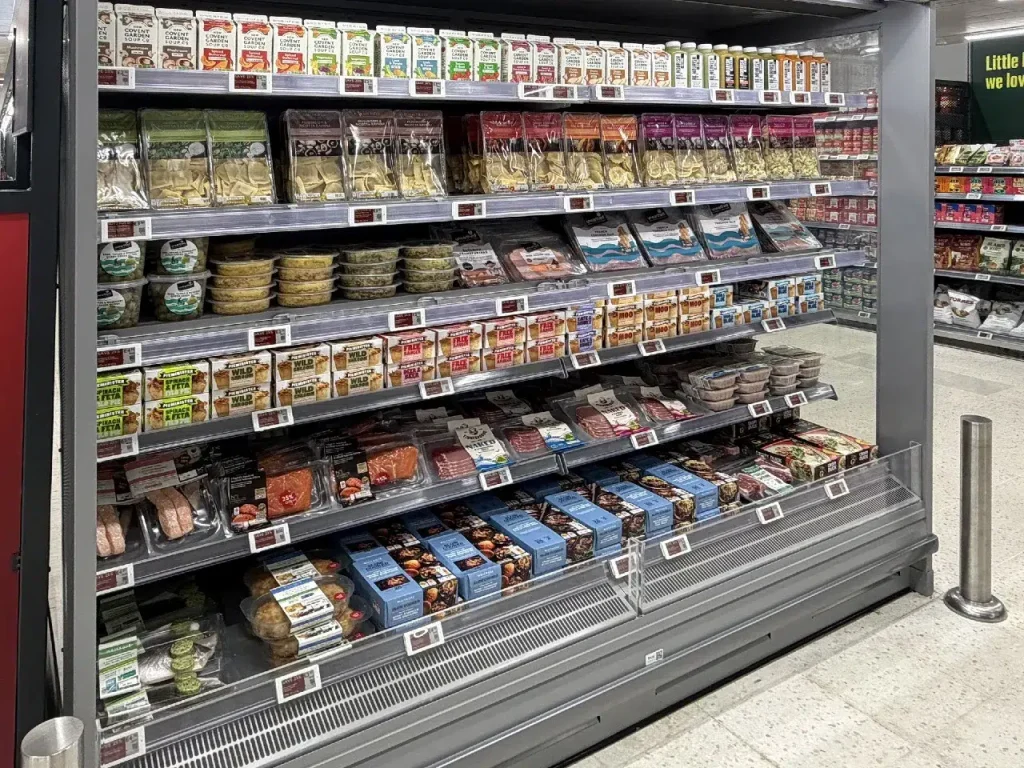
A further 41 per cent said they wanted more digital signage in-store, while 25 per cent expressed interest in electronic shelf labels. This rose to 36 per cent among younger shoppers and 34 per cent among high-income groups.
However, Pricer said adoption depends on retailers demonstrating a clear benefit to customers. The study found that 61 per cent of shoppers support in-store technology if it improves the shopping experience and helps keep prices low.
At the same time, consumers remain cautious about technology that replaces staff or adds unnecessary complexity to the shopping journey.
Wikander said retailers did not need to become Q-commerce platforms, but they did need to learn from the immediacy and relevance that those businesses have brought to grocery.
“Retailers don’t need to become Q-commerce platforms,” he said. “But they do need to bring the same immediacy, accuracy and relevance into the store.
“That’s where technologies like electronic shelf labels come in, enabling real-time pricing, consistent promotions and better communication at the shelf edge.”
Sign up here to get the latest grocery and food news each morning