

Tech giants accused of reshaping global crop choices through AI farming tools

NFU
InnovationNewsResearchSustainability

Major technology companies including Google, Microsoft, Amazon, IBM and Alibaba are facing criticism from food system experts who warn their growing role in digital agriculture could reshape what farmers grow, and ultimately what ends up on supermarket shelves.

A new report from the International Panel of Experts on Sustainable Food Systems (IPES-Food) argues that the rise of “farming by algorithm” risks concentrating power over agricultural decisions in the hands of a small number of tech and agribusiness firms.

According to the report, tech companies are increasingly partnering with industrial agriculture providers to deploy artificial intelligence, satellite monitoring and data-driven analytics tools designed to guide farmers’ planting decisions. While these technologies promise improved efficiency and yield optimisation, critics warn they could narrow global crop diversity and increase dependency on corporate-controlled inputs.

‘Top-down’ agriculture

Pat Mooney, a Canadian agriculture expert who contributed to the report, titled Head in the Cloud, warned that digital farming platforms could lead to a “top-down” food production system.

He argues that algorithms trained on global agricultural datasets often focus on a small number of highly traded commodity crops (particularly corn, rice, wheat, soybeans and potatoes) potentially sidelining locally adapted crops that play a crucial role in regional food systems.

“If the system doesn’t recognise a local crop, the algorithm won’t recommend it,” Mooney said. “Instead, farmers are likely to be guided toward crops linked to established industrial supply chains.”

That shift could have implications across the wider food ecosystem, from farming communities to retailers and grocery manufacturers, as fewer crop varieties could translate into more standardised global supply chains.

Data-driven farming on the rise

Digital agriculture platforms gather vast quantities of information from farmers, satellite imagery, sensors and drones to analyse soil health, climate patterns and crop performance.

Using this data, algorithms generate recommendations on what crops farmers should plant, what seeds to use and how to optimise fertiliser or pesticide inputs.

However, critics say the economic incentives behind these systems could encourage farmers to adopt crops that are compatible with proprietary seeds, chemicals and equipment sold by the same companies or their partners.

Mooney warned that this could create a form of technological lock-in, where farmers become increasingly dependent on bundled digital platforms, agricultural inputs and machinery.

Rapid growth in agri-tech investment

Despite these concerns, investment in digital farming technologies continues to accelerate.

According to research cited in the report, the global market for digital agriculture tools was worth around $30bn (£22bn) in 2024 and is expected to grow to $84bn by 2034.

Public institutions are also investing heavily. The World Bank has financed around $1.15bn in loans for digital agriculture projects, while the European Union has committed roughly €200m to research in the sector.

Proponents argue these technologies can help farmers respond to climate change, improve yields and reduce waste through more precise agricultural management.

Calls for farmer-led innovation

However, Lim Li Ching, co-chair of IPES-Food, said digital innovation in agriculture must prioritise the needs and knowledge of farmers themselves.

She warned that technology-led approaches risk reinforcing large-scale industrial agriculture and monoculture farming systems if they are not designed with local agricultural diversity in mind.

Instead, she pointed to examples of community-led agricultural innovation already taking place globally, from farmers in Peru preserving hundreds of potato varieties to seed conservation initiatives in China and digital farmer networks sharing climate and market information in Tanzania.

For the grocery industry, the debate poses the question, who ultimately shapes the global food supply?

As digital agriculture becomes more influential, decisions made by technology platforms could have increasing impact not only on farmers but also on food manufacturers, retailers and the diversity of products available to consumers.

Subscribe to Grocery Gazette for free

Sign up here to get the latest grocery and food news each morning

InnovationNewsResearchSustainability

Leave a Reply

Your email address will not be published. Required fields are marked *

Fill out this field
Fill out this field
Please enter a valid email address.

Tech giants accused of reshaping global crop choices through AI farming tools
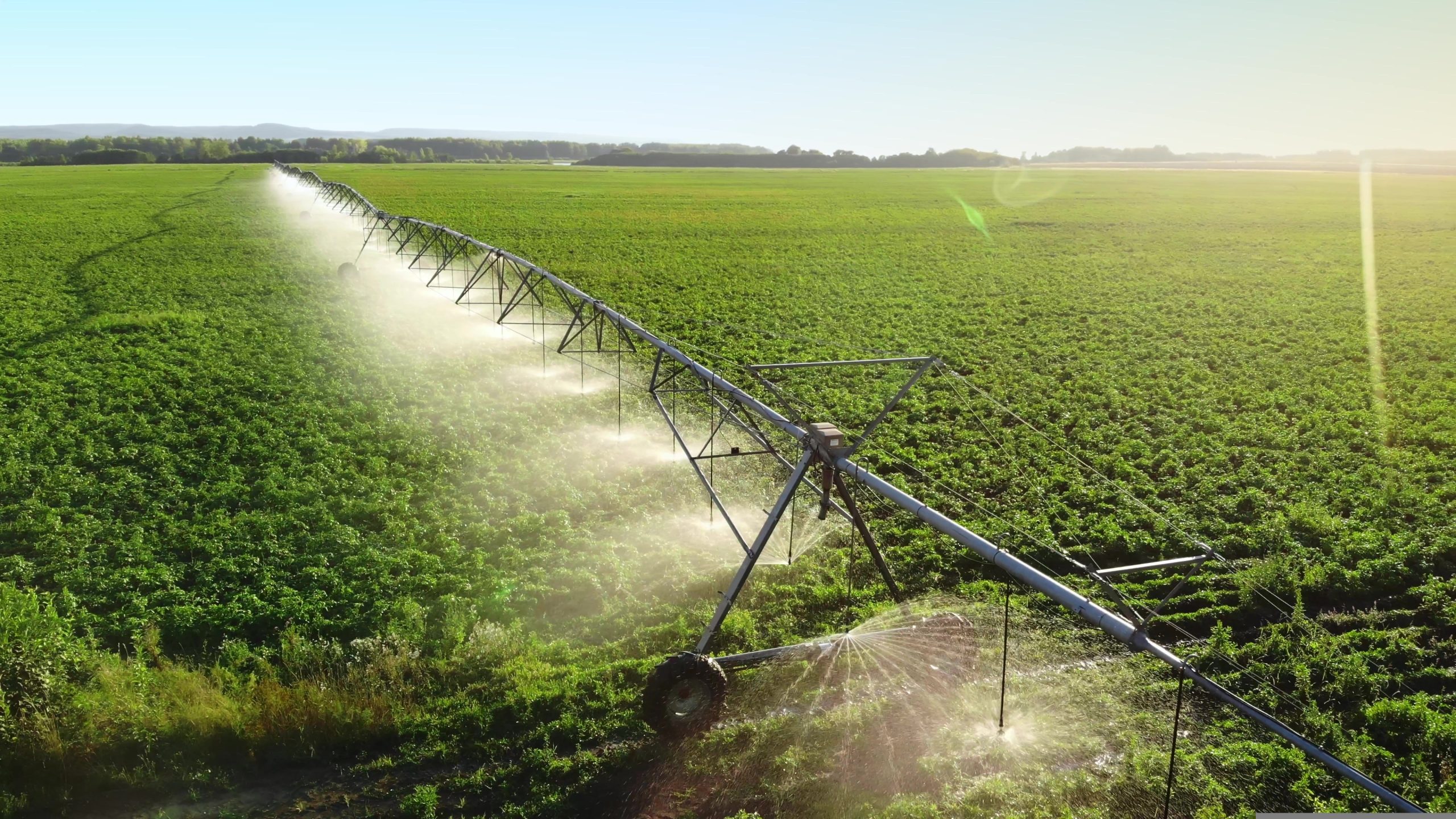
NFU

Major technology companies including Google, Microsoft, Amazon, IBM and Alibaba are facing criticism from food system experts who warn their growing role in digital agriculture could reshape what farmers grow, and ultimately what ends up on supermarket shelves.

A new report from the International Panel of Experts on Sustainable Food Systems (IPES-Food) argues that the rise of “farming by algorithm” risks concentrating power over agricultural decisions in the hands of a small number of tech and agribusiness firms.

According to the report, tech companies are increasingly partnering with industrial agriculture providers to deploy artificial intelligence, satellite monitoring and data-driven analytics tools designed to guide farmers’ planting decisions. While these technologies promise improved efficiency and yield optimisation, critics warn they could narrow global crop diversity and increase dependency on corporate-controlled inputs.

‘Top-down’ agriculture

Pat Mooney, a Canadian agriculture expert who contributed to the report, titled Head in the Cloud, warned that digital farming platforms could lead to a “top-down” food production system.

He argues that algorithms trained on global agricultural datasets often focus on a small number of highly traded commodity crops (particularly corn, rice, wheat, soybeans and potatoes) potentially sidelining locally adapted crops that play a crucial role in regional food systems.

“If the system doesn’t recognise a local crop, the algorithm won’t recommend it,” Mooney said. “Instead, farmers are likely to be guided toward crops linked to established industrial supply chains.”

That shift could have implications across the wider food ecosystem, from farming communities to retailers and grocery manufacturers, as fewer crop varieties could translate into more standardised global supply chains.

Data-driven farming on the rise

Digital agriculture platforms gather vast quantities of information from farmers, satellite imagery, sensors and drones to analyse soil health, climate patterns and crop performance.

Using this data, algorithms generate recommendations on what crops farmers should plant, what seeds to use and how to optimise fertiliser or pesticide inputs.

However, critics say the economic incentives behind these systems could encourage farmers to adopt crops that are compatible with proprietary seeds, chemicals and equipment sold by the same companies or their partners.

Mooney warned that this could create a form of technological lock-in, where farmers become increasingly dependent on bundled digital platforms, agricultural inputs and machinery.

Rapid growth in agri-tech investment

Despite these concerns, investment in digital farming technologies continues to accelerate.

According to research cited in the report, the global market for digital agriculture tools was worth around $30bn (£22bn) in 2024 and is expected to grow to $84bn by 2034.

Public institutions are also investing heavily. The World Bank has financed around $1.15bn in loans for digital agriculture projects, while the European Union has committed roughly €200m to research in the sector.

Proponents argue these technologies can help farmers respond to climate change, improve yields and reduce waste through more precise agricultural management.

Calls for farmer-led innovation

However, Lim Li Ching, co-chair of IPES-Food, said digital innovation in agriculture must prioritise the needs and knowledge of farmers themselves.

She warned that technology-led approaches risk reinforcing large-scale industrial agriculture and monoculture farming systems if they are not designed with local agricultural diversity in mind.

Instead, she pointed to examples of community-led agricultural innovation already taking place globally, from farmers in Peru preserving hundreds of potato varieties to seed conservation initiatives in China and digital farmer networks sharing climate and market information in Tanzania.

For the grocery industry, the debate poses the question, who ultimately shapes the global food supply?

As digital agriculture becomes more influential, decisions made by technology platforms could have increasing impact not only on farmers but also on food manufacturers, retailers and the diversity of products available to consumers.

Subscribe to Grocery Gazette for free

Sign up here to get the latest grocery and food news each morning

InnovationNewsResearchSustainability

Social

SUBSCRIBE TO OUR DAILY NEWSLETTER

  • This field is for validation purposes and should be left unchanged.

Most Read

InnovationNewsResearchSustainability

Leave a Reply

Your email address will not be published. Required fields are marked *

Fill out this field
Fill out this field
Please enter a valid email address.

RELATED STORIES

Most Read

Latest Feature

Menu

Please enter the verification code sent to your email: