
Govt covers EPR funding gap to avoid fee hike

Producers will not see an increase in Year 1 disposal fees under the Extended Producer Responsibility for packaging (pEPR) scheme, after the UK government agreed to cover a funding shortfall flagged by scheme administrator PackUK.
NewsSuppliersSustainability

Producers will see a freeze in Year 1 disposal fees under the Extended Producer Responsibility for packaging (pEPR) scheme, after the UK government agreed to cover a funding shortfall flagged by scheme administrator PackUK.

In an update, PackUK confirmed there will be no change to disposal fees for the first year of the scheme, and fees will remain as outlined in producers’ Notices of Liability issued in October 2025.

It is understood the decision follows a reassessment of packaging data submitted by producers.

As more accurate data was resubmitted, PackUK identified a shortfall in the funding originally calculated for Year 1, with the gap allegedly arising due to producers reporting the total tonnage of packaging as lower than previously declared.

The scheme administrator said, under the regulations governing pEPR, producer fees are calculated by dividing the total cost of efficient household waste management by the total tonnage of packaging placed on the market. A reduction in reported tonnage therefore reduces the overall fee pot generated through per-tonne charges, creating a funding gap.


Subscribe to Grocery Gazette for free

Sign up here to get the latest grocery and food news each morning


While ordinarily, this would have triggered a recalculation of per-tonne fees to ensure local authorities receive the full funding allocated under the scheme, the government however has agreed to close the shortfall as a one-off intervention to prevent additional costs falling on producers during the scheme’s first year.

PackUK said the move is intended to maintain stability during what it describes as a transition period for a complex new regime.

Specifically, the first year of pEPR has seen a high number of data resubmissions as businesses adapt to new reporting requirements and refine their packaging data.

However, the pEPR scheme is expected to secure £1.4bn in the 2025/26 financial year to support local authority waste management services and incentivise businesses to reduce packaging and improve recyclability.

Looking ahead, PackUK said it is taking steps to improve data stability and reduce the likelihood of similar shortfalls in future years, such as bringing forward deadlines for producer data submissions and using updated Year 1 data to improve fee calculations.

Speaking last year, WRAP CEO Catherine David said that Europe is about to undergo “unprecedented change” under the new EPR scheme.

“The incoming textiles EPR will touch every member from Copenhagen to Milan and change how countries make and manage clothes for good,” David said.

“The EU is also committed to halving per capita food waste and reducing food losses in production and supply chains. There are big changes ahead and I can’t wait to help bring these into practice.”

NewsSuppliersSustainability

Leave a Reply

Your email address will not be published. Required fields are marked *

Fill out this field
Fill out this field
Please enter a valid email address.

Govt covers EPR funding gap to avoid fee hike
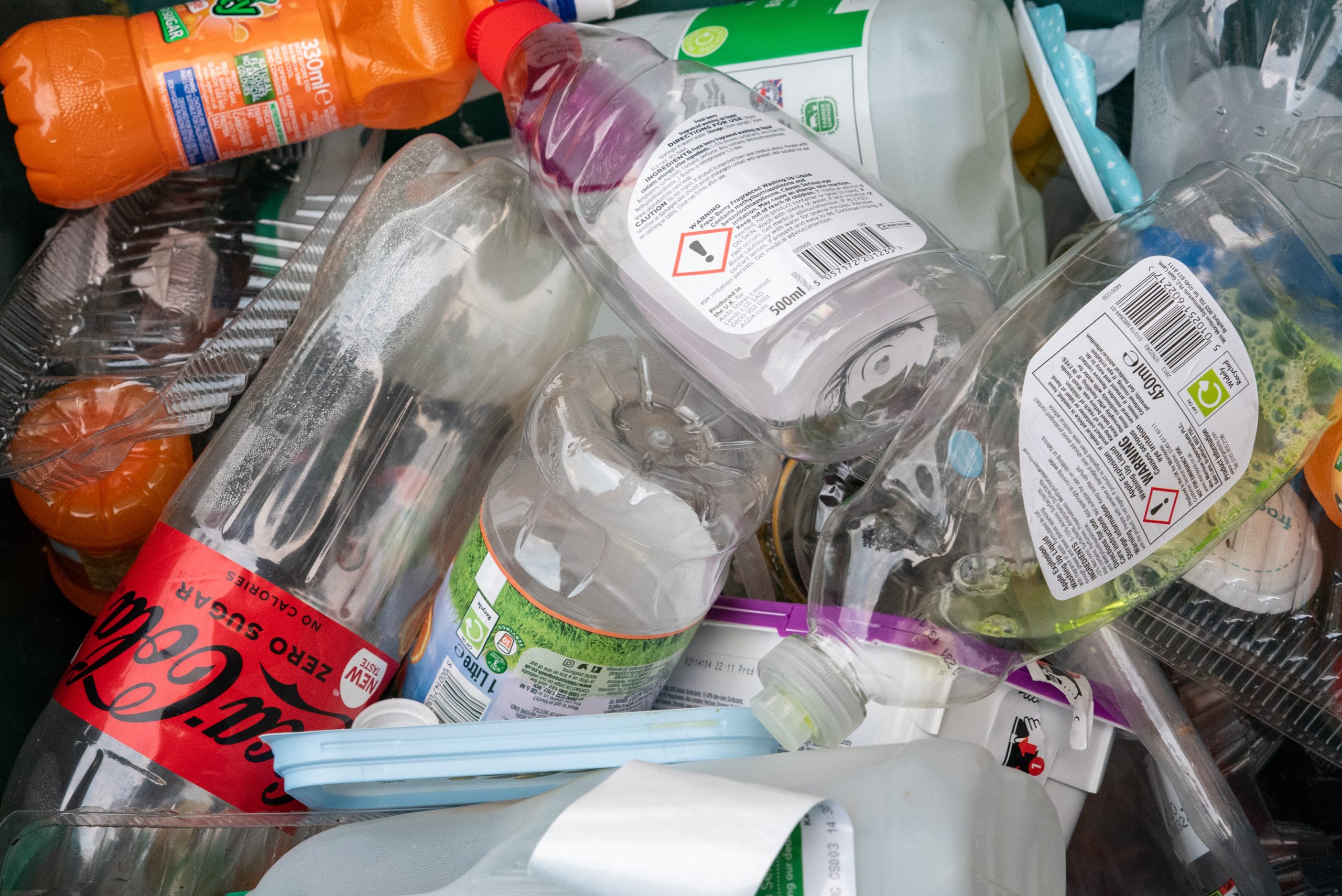
Producers will not see an increase in Year 1 disposal fees under the Extended Producer Responsibility for packaging (pEPR) scheme, after the UK government agreed to cover a funding shortfall flagged by scheme administrator PackUK.
NewsSuppliersSustainability

Social

SUBSCRIBE TO OUR DAILY NEWSLETTER

  • This field is for validation purposes and should be left unchanged.

Most Read

Producers will see a freeze in Year 1 disposal fees under the Extended Producer Responsibility for packaging (pEPR) scheme, after the UK government agreed to cover a funding shortfall flagged by scheme administrator PackUK.

In an update, PackUK confirmed there will be no change to disposal fees for the first year of the scheme, and fees will remain as outlined in producers’ Notices of Liability issued in October 2025.

It is understood the decision follows a reassessment of packaging data submitted by producers.

As more accurate data was resubmitted, PackUK identified a shortfall in the funding originally calculated for Year 1, with the gap allegedly arising due to producers reporting the total tonnage of packaging as lower than previously declared.

The scheme administrator said, under the regulations governing pEPR, producer fees are calculated by dividing the total cost of efficient household waste management by the total tonnage of packaging placed on the market. A reduction in reported tonnage therefore reduces the overall fee pot generated through per-tonne charges, creating a funding gap.


Subscribe to Grocery Gazette for free

Sign up here to get the latest grocery and food news each morning


While ordinarily, this would have triggered a recalculation of per-tonne fees to ensure local authorities receive the full funding allocated under the scheme, the government however has agreed to close the shortfall as a one-off intervention to prevent additional costs falling on producers during the scheme’s first year.

PackUK said the move is intended to maintain stability during what it describes as a transition period for a complex new regime.

Specifically, the first year of pEPR has seen a high number of data resubmissions as businesses adapt to new reporting requirements and refine their packaging data.

However, the pEPR scheme is expected to secure £1.4bn in the 2025/26 financial year to support local authority waste management services and incentivise businesses to reduce packaging and improve recyclability.

Looking ahead, PackUK said it is taking steps to improve data stability and reduce the likelihood of similar shortfalls in future years, such as bringing forward deadlines for producer data submissions and using updated Year 1 data to improve fee calculations.

Speaking last year, WRAP CEO Catherine David said that Europe is about to undergo “unprecedented change” under the new EPR scheme.

“The incoming textiles EPR will touch every member from Copenhagen to Milan and change how countries make and manage clothes for good,” David said.

“The EU is also committed to halving per capita food waste and reducing food losses in production and supply chains. There are big changes ahead and I can’t wait to help bring these into practice.”

NewsSuppliersSustainability

Leave a Reply

Your email address will not be published. Required fields are marked *

Fill out this field
Fill out this field
Please enter a valid email address.

RELATED STORIES

Most Read

Latest Feature

Menu

Please enter the verification code sent to your email: