
Data: Household spending power increased in November

household
News

Average household spending power rose by £5.67 year-on-year in November, reaching £257 per week, according to the latest figures from Asda’s Income Tracker.

This marks the third consecutive month of growth in UK discretionary income. However, the improvements were uneven.

Household spending power for the top 40% of earners increased, while low-income families faced a shortfall of £72 per month for covering essentials.

The data found that inflation decreased to 3.2%, which offered financial relief for shoppers ahead of the festive season.


Subscribe to Grocery Gazette for free

Sign up here to get the latest grocery and food news each morning


Food and drink beverage inflation fell by 0.8% to 4.0% in November compared to the month prior.

Sam Miley, head of forecasting and thought leadership at Cebr, said: “Last month’s inflation data show that price rises, especially for food, were slower than in recent months, contributing to an increase in the Income Tracker for some households, but not all.

“However, the labour market continues to loosen, meaning that growth in spending power will be dependent on inflation slowing into the new year.

“Inflation will not be the only driving factor, however. Some policy announcements from the recent Budget will materially affect the outlook for spending power.”

News

Leave a Reply

Your email address will not be published. Required fields are marked *

Fill out this field
Fill out this field
Please enter a valid email address.

News

Share:

Data: Household spending power increased in November
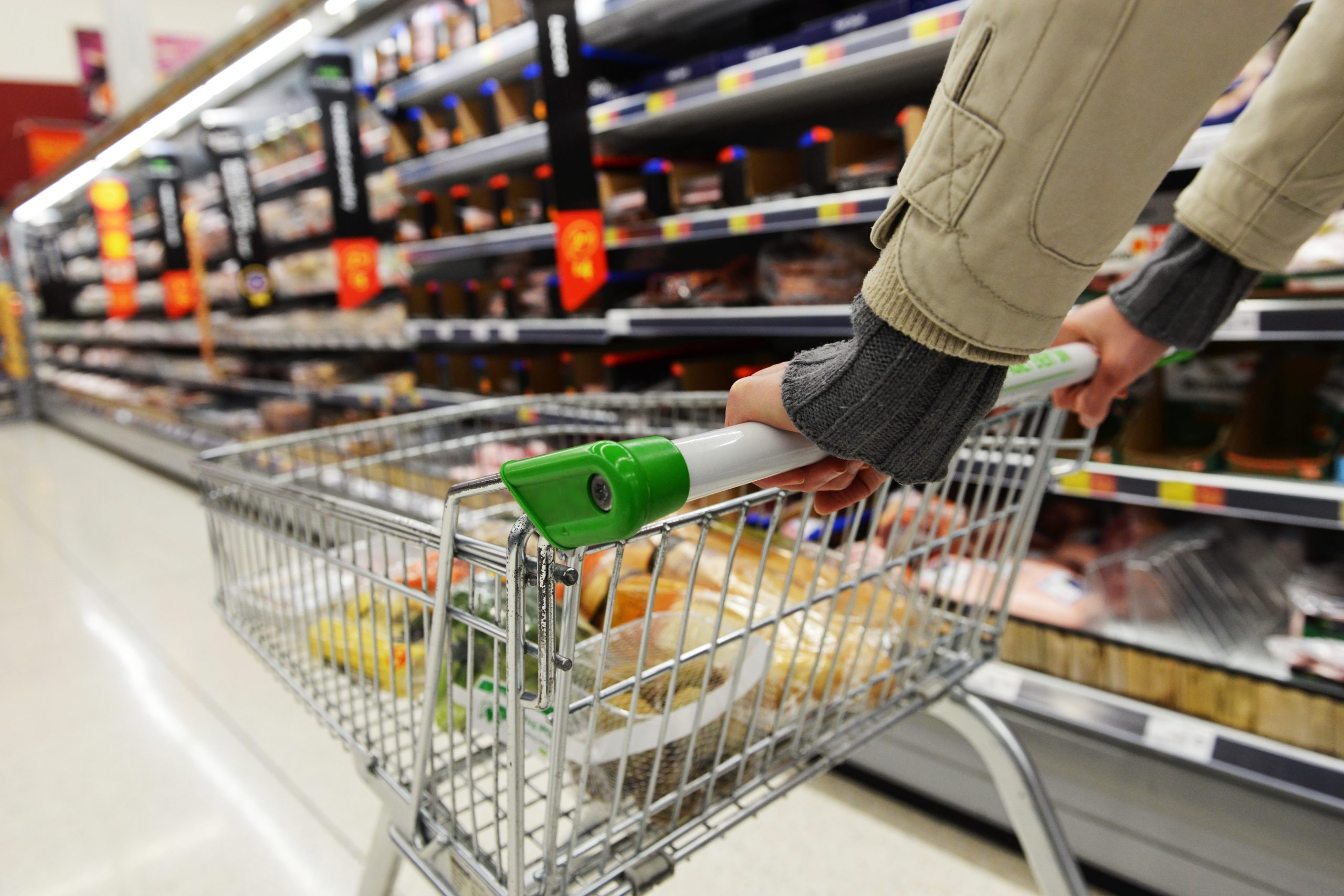
household

Average household spending power rose by £5.67 year-on-year in November, reaching £257 per week, according to the latest figures from Asda’s Income Tracker.

This marks the third consecutive month of growth in UK discretionary income. However, the improvements were uneven.

Household spending power for the top 40% of earners increased, while low-income families faced a shortfall of £72 per month for covering essentials.

The data found that inflation decreased to 3.2%, which offered financial relief for shoppers ahead of the festive season.


Subscribe to Grocery Gazette for free

Sign up here to get the latest grocery and food news each morning


Food and drink beverage inflation fell by 0.8% to 4.0% in November compared to the month prior.

Sam Miley, head of forecasting and thought leadership at Cebr, said: “Last month’s inflation data show that price rises, especially for food, were slower than in recent months, contributing to an increase in the Income Tracker for some households, but not all.

“However, the labour market continues to loosen, meaning that growth in spending power will be dependent on inflation slowing into the new year.

“Inflation will not be the only driving factor, however. Some policy announcements from the recent Budget will materially affect the outlook for spending power.”

News

Social

SUBSCRIBE TO OUR DAILY NEWSLETTER

  • This field is for validation purposes and should be left unchanged.

Most Read

Most Read

News

Leave a Reply

Your email address will not be published. Required fields are marked *

Fill out this field
Fill out this field
Please enter a valid email address.

RELATED STORIES

Latest Feature

Menu

Please enter the verification code sent to your email: