
Asda: 60% of UK households see decline in disposable income

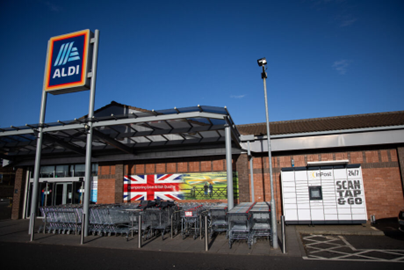
Asda store sign
NewsSupermarkets

Nearly two thirds (60%) of UK households saw their disposable incomes decline last month due to the job market cooling, new data from Asda shows.

The supermarket’s latest Income Tracker found that families with the lowest incomes were hit the hardest, seeing their spending power fall by 4.2% compared to last year.

This marks the first time in over a year that the disposable incomes of these households have fallen, leaving them with a shortfall of £71 per week between what they earn and what they spend on bills and living costs.

Asda said that income growth for these households is expected to slow further, due to cuts in social security and welfare payments.


Subscribe to Grocery Gazette for free

Sign up here to get the latest grocery and food news each morning


In contrast, the grocer said that the highest-earning households are well protected from these cuts. This, with the cooling job market, is causing the UK’s income gap to widen further.

These households have an average of £907 left each week after paying bills and essentials.

Sam Miley, managing economist and forecasting lead at economic specialist CEBR, said: “Spending power is likely to face further pressure in the coming months as a number of policy changes come into play.

“Increased energy and water bills, higher council tax, and rising employer costs are all expected to impact consumers, particularly those on lower incomes.”

Last month, Asda cut the prices of 1,500 products in-store and online, in the latest wave of its Rollback price proposition.

This means that nearly 10,000 products – almost a third of the supermarket giant’s entire range – has been reduced in price since the proposition was first introduced at the end of January.

NewsSupermarkets

1 Comment. Leave new

  • Flyette 12 months ago

    Who it impact the most? If just financial, naturally the ones with not much savings and too many commitments. Did realizations happen that things are just things and when in need of money, these things cant do anytning. I am glad my realization happened when i am not in a poor state but still there are always other things to come. Nevertheless, even those w high income or got savings, might not be as rosy as others thought.

    Reply

Leave a Reply

Your email address will not be published. Required fields are marked *

Fill out this field
Fill out this field
Please enter a valid email address.

NewsSupermarkets

Share:

Asda: 60% of UK households see decline in disposable income

Asda store sign

Nearly two thirds (60%) of UK households saw their disposable incomes decline last month due to the job market cooling, new data from Asda shows.

The supermarket’s latest Income Tracker found that families with the lowest incomes were hit the hardest, seeing their spending power fall by 4.2% compared to last year.

This marks the first time in over a year that the disposable incomes of these households have fallen, leaving them with a shortfall of £71 per week between what they earn and what they spend on bills and living costs.

Asda said that income growth for these households is expected to slow further, due to cuts in social security and welfare payments.


Subscribe to Grocery Gazette for free

Sign up here to get the latest grocery and food news each morning


In contrast, the grocer said that the highest-earning households are well protected from these cuts. This, with the cooling job market, is causing the UK’s income gap to widen further.

These households have an average of £907 left each week after paying bills and essentials.

Sam Miley, managing economist and forecasting lead at economic specialist CEBR, said: “Spending power is likely to face further pressure in the coming months as a number of policy changes come into play.

“Increased energy and water bills, higher council tax, and rising employer costs are all expected to impact consumers, particularly those on lower incomes.”

Last month, Asda cut the prices of 1,500 products in-store and online, in the latest wave of its Rollback price proposition.

This means that nearly 10,000 products – almost a third of the supermarket giant’s entire range – has been reduced in price since the proposition was first introduced at the end of January.

NewsSupermarkets

Social

SUBSCRIBE TO OUR DAILY NEWSLETTER

  • This field is for validation purposes and should be left unchanged.

Most Read

NewsSupermarkets

1 Comment. Leave new

  • Flyette 12 months ago

    Who it impact the most? If just financial, naturally the ones with not much savings and too many commitments. Did realizations happen that things are just things and when in need of money, these things cant do anytning. I am glad my realization happened when i am not in a poor state but still there are always other things to come. Nevertheless, even those w high income or got savings, might not be as rosy as others thought.

    Reply

Leave a Reply

Your email address will not be published. Required fields are marked *

Fill out this field
Fill out this field
Please enter a valid email address.

RELATED STORIES

Most Read

Latest Feature

Menu

Please enter the verification code sent to your email: