
Which UK supermarkets have unlawfully blocked rival store openings?

UK supermarkets
FeaturesSupermarkets

Earlier this week, the Co-op admitted to unlawfully blocking 107 store openings by rival supermarkets.

But it’s not the first UK grocer to have been found in breach of the Groceries Market Investigation Order since it was introduced in 2010, to stop supermarkets imposing property restrictions that block rivals from opening competing stores nearby.

Which grocers have breached the Order, how many stores have been blocked in the process, and what was the outcome?

Co-op

Co-op store sign

The Co-op has been found of unlawfully blocking 107 store openings by rival supermarkets between 2010 and 2020.

The Competition and Markets Authority (CMA) said it was concerned that this substantial number of breaches demonstrates a “significant failure of compliance” for a business of Co-op’s size.

Having already addressed 104 agreements, the convenience retailer has also agreed to resolve the remaining three.

A Co-op spokesperson told Grocery Gazette: “As a business that is committed to operating fairly, we recognise this is extremely disappointing. Co-op operates in a range of markets, both as a community retailer and a national funeral provider and the number of breaches amount to less than 2% of transactions across our entire property portfolio.

“This is a matter we take very seriously, and we have taken all necessary action to ensure this issue is resolved and does not happen again.”

M&S

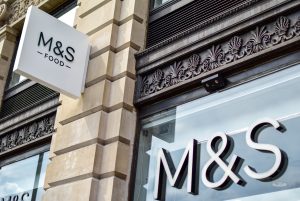
M&S store sign supermarket re Neighbourly initiative

In 2023, the CMA found that M&S had breached the Order 10 times between 2015 and 2019.

At the time, an M&S spokesperson commented: “We are disappointed that having worked closely with the CMA over the past three years, it has highlighted ten breaches, five of which are historic and expired.

“These have made no practical difference to the activity of our competitors or our tenants and did not adversely affect competition.”

The retailer added that it was remedying the breaches immediately and that M&S would continue to work with the competition watchdog, alongside the introduction of tighter internal governance and compulsory training to prevent breaches happening again.

Morrisons

Morrisons store

In the same year, the CMA found that Morrisons had breached the Groceries Market Investigation Order 2010 on 55 occasions between 2011 and 2020.

In 2023, the regulatory body noted that Morrisons had the “poorest compliance record with the Order that the CMA has seen to date”.

A Morrisons spokesperson responded at the time: “We co-operated fully with the investigation and accept its findings. We now plan to rectify the outstanding breaches quickly.”

Asda

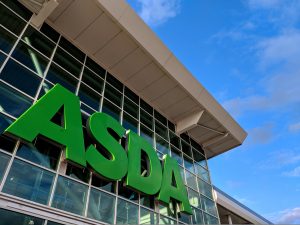
Asda store sign

In 2022, the regulatory body found that Asda had breached the Order 14 times between 2011 and 2019.

However, at the time of the announcement, the CMA said the restrictions identified within Asda’s land agreements had since been removed.

An Asda spokesperson said: “We have reviewed details of over 1,600 property related transactions which identified 14 issues. All of these relate to legacy transactions that occurred between 2011 and 2019, when Asda was under different ownership, and involve technical errors in documentation that have all been resolved.

“We have also taken action to strengthen our CLO-related training and guidance.”

Sainsbury’s

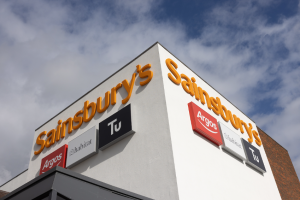
Sainsbury's store

In the same year, Sainsbury’s was also found to have been in breach of the Order 18 times between 2011 and 2019.

The supermarket agreed to remove the outstanding restrictions that the CMA had identified from its land agreements to become compliant with the Order.

At the time, a Sainsbury’s spokesperson told the BBC that the “minor, unintentional technical breaches” did not reduce competition in the grocery market .

They said that there had only been a “small number” of breaches, making up less than 1% of its relevant land agreements over more than 10 years.

“We have co-operated fully with the CMA throughout this process and we are now resolving these issues, as well as taking steps to make sure this does not happen again,” they added.

Waitrose

waitrose

Also in 2022, Waitrose admitted to a total of seven breaches of the Groceries Market Investigation Order between 2010 and 2019.

The breaches related to locations including Bromsgrove, Rusington, Swindon, Daventry, Chester, Notting Hill Gate and Market Harborough, where the upmarket retailer was operating existing stores.

To comply with the Order, Waitrose agreed to remove restrictions from land agreements which prevented rivals from setting up new stores.

At the time, former CMA senior director of remedies (now senior director of the office for the internal market and the subsidy advice unit) Adam Land said: “It’s disappointing that Waitrose has acted against the interests of shoppers, despite these rules having been in place for over 10 years.

“Waitrose is now putting this right so that everyone gets a fair deal. We will continue to take action when our rules are broken, and we have asked all supermarkets to show us their land deals comply with the Order.”

A Waitrose spokesperson responded: “All of these branches are closely surrounded by other supermarkets, offering plenty of choice for customers. We’ve worked closely with the CMA and have now strengthened our internal processes.”

Tesco

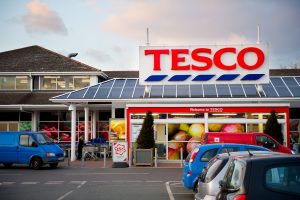
Tesco store

The CMA first discovered that Tesco had been preventing landlords from letting property to other supermarkets during monitoring in 2018.

After this initial discovery, the supermarket giant reviewed all of its land agreements, finding 23 breaches in total.

As a result, it agreed to take remedial action for all affected land agreements; improve its internal processes and staff training to avoid future breaches and ensure that all new land agreements were in line with the Order.

At the time, former CMA executive director for markets and mergers Andrea Gomes da Silva said: “It’s unacceptable that Tesco had these unlawful restrictions in place for up to a decade. By making it harder for other supermarkets to open stores next to its branches, shoppers could have lost out.”

Tesco said the breaches represented 0.4% of its 5,354 land deals at the time and agreed to take remedial action in all the cases.

FeaturesSupermarkets

1 Comment. Leave new

  • John Breining-Riches 1 year ago

    It is nothing new that existing store operators throw up objections, often spurious, to a rival retailer’s
    proposals. Certainly, during my time acquiring sites for different food retailers, the Co-op were always
    ready to mount expensive and time-consuming objections to almost any Planning Application. More
    delay and professional fees all round!

    It will be interesting to see how much actually changes.

    Reply

Leave a Reply

Your email address will not be published. Required fields are marked *

Fill out this field
Fill out this field
Please enter a valid email address.

Which UK supermarkets have unlawfully blocked rival store openings?

UK supermarkets

Earlier this week, the Co-op admitted to unlawfully blocking 107 store openings by rival supermarkets.

But it’s not the first UK grocer to have been found in breach of the Groceries Market Investigation Order since it was introduced in 2010, to stop supermarkets imposing property restrictions that block rivals from opening competing stores nearby.

Which grocers have breached the Order, how many stores have been blocked in the process, and what was the outcome?

Co-op

Co-op store sign

The Co-op has been found of unlawfully blocking 107 store openings by rival supermarkets between 2010 and 2020.

The Competition and Markets Authority (CMA) said it was concerned that this substantial number of breaches demonstrates a “significant failure of compliance” for a business of Co-op’s size.

Having already addressed 104 agreements, the convenience retailer has also agreed to resolve the remaining three.

A Co-op spokesperson told Grocery Gazette: “As a business that is committed to operating fairly, we recognise this is extremely disappointing. Co-op operates in a range of markets, both as a community retailer and a national funeral provider and the number of breaches amount to less than 2% of transactions across our entire property portfolio.

“This is a matter we take very seriously, and we have taken all necessary action to ensure this issue is resolved and does not happen again.”

M&S
M&S store sign supermarket re Neighbourly initiative

In 2023, the CMA found that M&S had breached the Order 10 times between 2015 and 2019.

At the time, an M&S spokesperson commented: “We are disappointed that having worked closely with the CMA over the past three years, it has highlighted ten breaches, five of which are historic and expired.

“These have made no practical difference to the activity of our competitors or our tenants and did not adversely affect competition.”

The retailer added that it was remedying the breaches immediately and that M&S would continue to work with the competition watchdog, alongside the introduction of tighter internal governance and compulsory training to prevent breaches happening again.

Morrisons

Morrisons store

In the same year, the CMA found that Morrisons had breached the Groceries Market Investigation Order 2010 on 55 occasions between 2011 and 2020.

In 2023, the regulatory body noted that Morrisons had the “poorest compliance record with the Order that the CMA has seen to date”.

A Morrisons spokesperson responded at the time: “We co-operated fully with the investigation and accept its findings. We now plan to rectify the outstanding breaches quickly.”

Asda
Asda store sign

In 2022, the regulatory body found that Asda had breached the Order 14 times between 2011 and 2019.

However, at the time of the announcement, the CMA said the restrictions identified within Asda’s land agreements had since been removed.

An Asda spokesperson said: “We have reviewed details of over 1,600 property related transactions which identified 14 issues. All of these relate to legacy transactions that occurred between 2011 and 2019, when Asda was under different ownership, and involve technical errors in documentation that have all been resolved.

“We have also taken action to strengthen our CLO-related training and guidance.”

Sainsbury’s
Sainsbury's store

In the same year, Sainsbury’s was also found to have been in breach of the Order 18 times between 2011 and 2019.

The supermarket agreed to remove the outstanding restrictions that the CMA had identified from its land agreements to become compliant with the Order.

At the time, a Sainsbury’s spokesperson told the BBC that the “minor, unintentional technical breaches” did not reduce competition in the grocery market .

They said that there had only been a “small number” of breaches, making up less than 1% of its relevant land agreements over more than 10 years.

“We have co-operated fully with the CMA throughout this process and we are now resolving these issues, as well as taking steps to make sure this does not happen again,” they added.

Waitrose

waitrose

Also in 2022, Waitrose admitted to a total of seven breaches of the Groceries Market Investigation Order between 2010 and 2019.

The breaches related to locations including Bromsgrove, Rusington, Swindon, Daventry, Chester, Notting Hill Gate and Market Harborough, where the upmarket retailer was operating existing stores.

To comply with the Order, Waitrose agreed to remove restrictions from land agreements which prevented rivals from setting up new stores.

At the time, former CMA senior director of remedies (now senior director of the office for the internal market and the subsidy advice unit) Adam Land said: “It’s disappointing that Waitrose has acted against the interests of shoppers, despite these rules having been in place for over 10 years.

“Waitrose is now putting this right so that everyone gets a fair deal. We will continue to take action when our rules are broken, and we have asked all supermarkets to show us their land deals comply with the Order.”

A Waitrose spokesperson responded: “All of these branches are closely surrounded by other supermarkets, offering plenty of choice for customers. We’ve worked closely with the CMA and have now strengthened our internal processes.”

Tesco
Tesco store

The CMA first discovered that Tesco had been preventing landlords from letting property to other supermarkets during monitoring in 2018.

After this initial discovery, the supermarket giant reviewed all of its land agreements, finding 23 breaches in total.

As a result, it agreed to take remedial action for all affected land agreements; improve its internal processes and staff training to avoid future breaches and ensure that all new land agreements were in line with the Order.

At the time, former CMA executive director for markets and mergers Andrea Gomes da Silva said: “It’s unacceptable that Tesco had these unlawful restrictions in place for up to a decade. By making it harder for other supermarkets to open stores next to its branches, shoppers could have lost out.”

Tesco said the breaches represented 0.4% of its 5,354 land deals at the time and agreed to take remedial action in all the cases.

FeaturesSupermarkets

Social

SUBSCRIBE TO OUR DAILY NEWSLETTER

  • This field is for validation purposes and should be left unchanged.

Most Read

Most Read

FeaturesSupermarkets

1 Comment. Leave new

  • John Breining-Riches 1 year ago

    It is nothing new that existing store operators throw up objections, often spurious, to a rival retailer’s
    proposals. Certainly, during my time acquiring sites for different food retailers, the Co-op were always
    ready to mount expensive and time-consuming objections to almost any Planning Application. More
    delay and professional fees all round!

    It will be interesting to see how much actually changes.

    Reply

Leave a Reply

Your email address will not be published. Required fields are marked *

Fill out this field
Fill out this field
Please enter a valid email address.

RELATED STORIES

Latest Feature

Menu

Please enter the verification code sent to your email: