

More than 4 in 5 back supermarkets scaling back Aldi price match

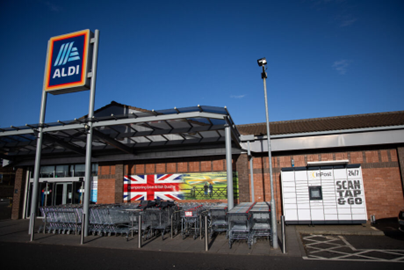
More than four out of five Grocery Gazette readers (85%) think supermarkets are correct in their move away from using an Aldi price match mechanism in their marketing, according to a poll by the title.
Last month, Asda became the first of the traditional supermarkets to completely axe its Aldi and Lidl price match scheme, after a mere 12 months. It said that instead it will focus on its own prices, rather than those of competitors.
The following week, data from private label consultancy IPLC partner Paul Stainton, for The Grocer, found that the number of products featured in Tesco’s Price Match had fallen from 790 in August 2024 to 645 in February 2025.
Meanwhile, Sainsbury’s has cut the number of items in its campaign by 75 since November last year, to 606 as of 12 February 2025.
Subscribe to Grocery Gazette for free
Sign up here to get the latest grocery and food news each morning
Grocery Gazette asked the public whether the supermarkets are right to scale back on the schemes. An overwhelming 85% of the 242 respondents agreed ‘yes’, while just 15% voted ‘no’.
Speaking with Grocery Gazette, Stainton noted that matching Aldi on hundreds of products will have cost the supermarkets “significant margin loss”, while Ged Futter, founder of industry consultant The Retail Mind, cited other reasons for the trimming of the schemes, including the grocers not being “fully in control of price match” and “shouting about someone else’s value all the time.”
The Chartered Institute of Marketing chief executive Chris Daly said that while price-matching can be effective in the short-term “for boosting customer retention and perceptions of value,” he agrees that it can also “risk reducing a retailer’s pricing strategy to a race to the bottom, eroding margins without building long-term loyalty”.
Daly said that, moving forward, the supermarkets will have the opportunity to “Differentiate themselves through unique value propositions – whether it’s superior customer service, exclusive product ranges, loyalty programs, or convenience-driven incentives. These investments will help create stronger emotional connections with shoppers, ultimately leading to greater retention and profitability.”
However, he said this move does also carry certain risks, noting that with a lack of competitive pricing shoppers “may start to look elsewhere”.
“The key will be in how retailers communicate their value, whether it is through enhanced quality, better promotions, or tailored rewards – to ensure customers feel they are getting the best deal, even without a direct price match.”






1 Comment. Leave new
Tesco price matching Aldi means nothing to me. As a retired colleague of Tesco. As my colleague combined discount Clubcard means more to me.