
Raising the steaks: What Meatly lab-grown meat means for the grocery sector

Lab-grown meat
FeaturesFMCGInnovationNews

A typical kilogram of beef uses 1,400 to 3000 litres of water and 30 megajoules of energy to produce, and emits a carbon footprint of 40kgs in greenhouse gases. For years, this has been widely accepted as an inevitable byproduct of meat production, and an unavoidable environmental impact.

However last week, Meatly debuted its new cell-cultivate chicken product, the UK’s first approved lab-grown meat, at retailer Pets at Home. Produced in collaboration with plant-based dog food brand The Pack, a limited-release of Meatly’s “Chick Bites” is now available in pouch-sized samples in-store.

While currently being marketed solely to the pet food industry and limited to lab-grown chicken, the launch has the possibility to open the door to a future where brands can provide more sustainable alternatives to traditional meat.

Meatly co-founder and CEO Owen Ensor talked to Grocery Gazette to explain what lab-grown meat is, when consumers can expect it in supermarkets and just how it is disrupting the meat industry.

Meatly’s lab-grown meat

Photo: Meatly co-founder and CEO Owen Ensor

Chief executive Ensor says lab-processed meat is a simple sustainable alternative to the meat industry.

“Cultivated meat is real meat, but made without the need to slaughter animals,” he says.

It is not Ensor’s first foray into meat-alterative products. He previously scaled an insect protein company, which focused on producing sustainable protein from black soldier flies for the aquaculture and livestock sector.

However, his latest project marks the world’s first venture into an approved cell-cultivated meat product. Since its launch in 2022, the brand has been working with regulatory bodies, scientists and animal welfare advocates to see the product onto store shelves and ensure that the cultivated pet food meets the “highest standards” of safety, nutrition, and ethics.

Since news broke of the brand’s category first achievement, the Food Standards Agency has announced that cell-cultivate products could be a staple on our supermarkets within the next few years as applications for the product rises.

Earlier this year, Co-op published a report predicting that within 30 years UK consumers could be eating products such as cricket salads and lab-grown steaks. However, last month the UK food regulator revealed this future may be closer than first thought, say it is already receiving applications for lab-grown steak, beef, chicken and foie gras products and expects a further 15 within the next two years.

For Ensor, Meatly’s product is not only “nutritionally identical to real chicken”, it is also simple to make. The process starts with a small sample of cells from a chicken egg, used just once. After this, the manufacturer can then produce itsproducts by nurturing the cells in large containers that control temperature and pH levels.

Photo: Priced alongside premium pet foods, Ensor says the brand aims to reduce prices as it scales up the business.


“It provides the same proteins, amino acids, and nutrients that are essential for pet health. Instead of animals eating grass and creating nutrients to feed these cells, we do it ourselves. We provide all the vitamins, minerals, and amino acids the cells need to grow big and strong until they become delicious, healthy meat.”

For consumers looking for a timeline as to when Meatly pet food ranges will be available to purchase on supermarket shelves, Ensor says the brand is already currently in discussions with leading retailers across the UK both in-store and online.

This follows retail giant Pets at Home investing in Meatly last year, as part of its push to create a sustainable pet food industry. Meatly is currently in discussions with Pets at Home regarding a full product launch. The brand is expected to launch at an initial price similar to more premium pet food offerings, but Ensor says this shouldn’t turn consumers away.

“Our target is to reach price parity with pet foods which contain traditionally reared meat. As we continue to scale our product, and bring in new brand partners and investors, we’ll be  able to produce more cruelty-free meat for less, and consumers will see these costs naturally fall further…our meat will hold a number of health benefits, such as being antibiotic, GMO, and pathogen free, as well as an impressive nutritional profile.”.

“At Meatly, we’re proving the potential of cultivated meat, and that there is an efficient and cost-effective route to market.”

Benefits of cell-cultivated meat

There are notable differences between lab-grown meat and traditional farm-bred meat. For example, Ensor says, Meatly’s cultivated chickens are antibiotic-free, produced in a sterile environment and a contrast to traditional farm animals.

Globally, 73% of all antibiotics used worldwide are given to farm animals, leading to worldwide antibiotic resistance, a rising problem facing both the UK’s farming industry and supermarket sector.

Last month a new study found UK supermarkets are doing too little to make sure suppliers use antibiotics responsibly, while in June Lidl threatened to launch legal action against Open Cages over an alleged “defamatory” investigation connecting its fresh chicken to antibiotic-resistant “superbugs”.

Another promised key benefit of lab-grown meat is reduced impact on the environment. Meatly’s pet food is expected to use up to 64% less land and 28% less water than more conventional products . In contrast, traditionally reared meat uses 40% of global inhabitable land and 30% of its fresh water, whereas cultivated meat uses just 2% and 6% respectively. Ensor adds that early studies have also shown that cultivated meat can reduce greenhouse gas emissions by up to 90% compared to traditional meat production.

lab grown meat

Photo: The FSA says it has already received applications for lab-grown meat and expects another 12 within two years.


Currently, the pet food brand has only produced lab-grown chicken. However, the technology used opens up possibilities for further types of meats and brands.

Innovations in cultivated meat are happening every day,” says Ensor. For example, Meatly has managed to create a protein-free growing media that has reduced the cost of producing cultivated meat, from hundreds of pounds a litre of media to just £1.

“Now the focus turns towards bioreactor technology and equipment and ensuring that we see the same sort of nutritional values in our products with increased outputs, so that no sacrifice is made to the quality of the product when the quantity is increased.”

There is still a lot of work to do to make cultivated meat scalable to an industrial level, but it is a question of when and not if it will happen.

Addressing the ‘blindspot’ in the market

Speaking about consumer and market reactions, Ensor says initial responses to the brand have been overwhelmingly positive, and have allowed Meatly to gain brand awareness through features on news channels and in media across the world.

There has also been an element of curiosity from the public, which Ensor dismisses as a natural response to a category-first product.

“This is a new frontier and it’s natural for people to want to understand how it works and why it’s beneficial for their animals. I think we’re in a great position as the UK holds a strong interest in sustainability and animal welfare, which has helped foster a more open-minded approach to cultivated meat in general.”

“Chick Bites” is on sale at Pets at Home Brentford, London from Friday 7th February.

Meatly’s positive reception may also be born from rising consumer demand for more sustainable and ethical alternatives to meat, whether for themselves or for their pets.

Noting the “explosion” of plant-based and alternative protein options for humans, Ensor says there has been little innovation or options for pets, calling the oversight a “blindspot”.

“What we feed to our pets has been a sustainability blind spot. Meat production is one of the biggest contributors to climate change and biodiversity loss, and 20% of the meat we consume in the UK is fed to our pets,”

“If we can offer consumers a kinder meat, which is better for the planet, then we think consumers will be eager to feed their dogs and cats that over traditionally reared meat options,” said Ensor.

Despite this, there are inevitably still misconceptions that Ensor is aiming to squash, such as the idea that cultivated meat is “unnatural” or less safe. He says the truth is actually “the contrary, as [lab-grown meat]  is produced in highly controlled conditions that reduce the risk of contaminants often associated with traditional meat production. We are producing chicken in its most simple form so it is unprocessed and completely safe”.

A sizzling future 

Overall, Ensor says cultivated meat is set to play an “incredibly” valuable role in the future of the UK’s grocery industry.

From helping food systems and farms transition to a more sustainable model, to meeting the demand for cheap meat alternatives globally, cell-cultivate meat answers some of the questions for farms which are faced with difficult choices: to expand and intensify production, at the cost of the climate and human health, or try to do adapt, but struggle to survive financially.

Dog eating - re lab-grown meat

Photo: Meatly debut in the pet food category signals the beginning of new innovation in the wider alternative protein sector

Cultivated meat has positioned itself as an alternative protein that can bridge the gap between supply and consumption and give consumers the protein and taste they demand in a way that is “better and kinder for people and the planet”.

The introduction of cultivated meat doesn’t eradicate the need for traditional meat, says Ensor, instead reducing the demand and allowing farmers to focus on organic, grass-fed meat, “which also allows them to earn more money”.

The idea of collaboration through cell cultivation innovation and working with the wider meat sector extends to the Meatly product itself. Ensor says the brand is “open” to partnerships that can help accelerate the development and acceptance of cultivated meat in both the pet and human food markets.

“We’re excited to be part of a growing community of innovators working on cultivated meat. By demonstrating that cultivated meat is safe, nutritious, and sustainable for pets, we’re helping to pave the way for broader acceptance in the human food market.

“Success in the pet food space will build consumer trust and normalise the idea of cultivated meat,” adds Ensor, “making the transition to human consumption a little smoother when the time comes – which hopefully is very soon.”

“Chick Bites” is on sale at Pets at Home Brentford, London from Friday 7 February.

FeaturesFMCGInnovationNews

Leave a Reply

Your email address will not be published. Required fields are marked *

Fill out this field
Fill out this field
Please enter a valid email address.

Raising the steaks: What Meatly lab-grown meat means for the grocery sector
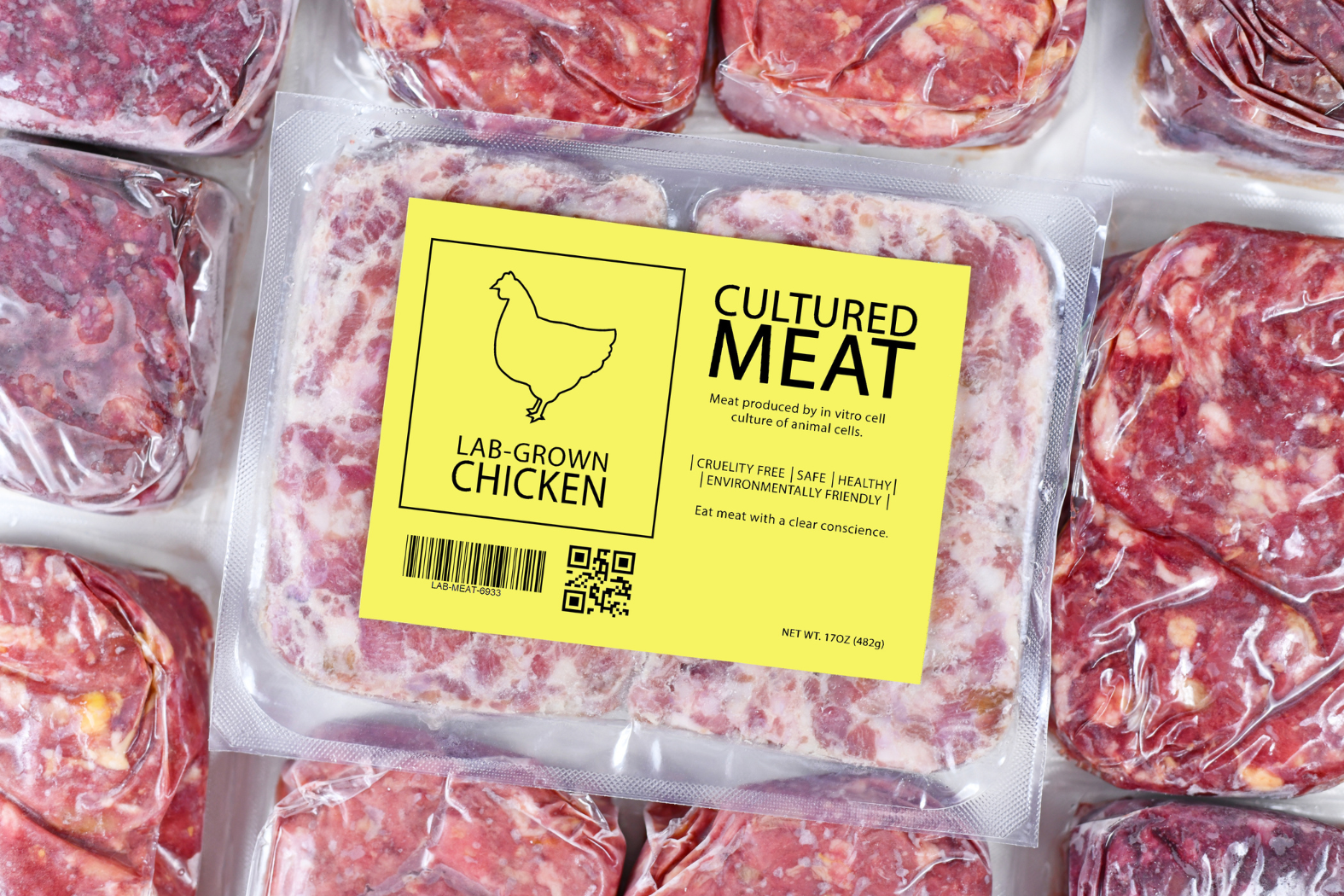
Lab-grown meat
FeaturesFMCGInnovationNews

Social

SUBSCRIBE TO OUR DAILY NEWSLETTER

  • This field is for validation purposes and should be left unchanged.

Most Read

A typical kilogram of beef uses 1,400 to 3000 litres of water and 30 megajoules of energy to produce, and emits a carbon footprint of 40kgs in greenhouse gases. For years, this has been widely accepted as an inevitable byproduct of meat production, and an unavoidable environmental impact.

However last week, Meatly debuted its new cell-cultivate chicken product, the UK’s first approved lab-grown meat, at retailer Pets at Home. Produced in collaboration with plant-based dog food brand The Pack, a limited-release of Meatly’s “Chick Bites” is now available in pouch-sized samples in-store.

While currently being marketed solely to the pet food industry and limited to lab-grown chicken, the launch has the possibility to open the door to a future where brands can provide more sustainable alternatives to traditional meat.

Meatly co-founder and CEO Owen Ensor talked to Grocery Gazette to explain what lab-grown meat is, when consumers can expect it in supermarkets and just how it is disrupting the meat industry.

Meatly’s lab-grown meat

Photo: Meatly co-founder and CEO Owen Ensor

Chief executive Ensor says lab-processed meat is a simple sustainable alternative to the meat industry.

“Cultivated meat is real meat, but made without the need to slaughter animals,” he says.

It is not Ensor’s first foray into meat-alterative products. He previously scaled an insect protein company, which focused on producing sustainable protein from black soldier flies for the aquaculture and livestock sector.

However, his latest project marks the world’s first venture into an approved cell-cultivated meat product. Since its launch in 2022, the brand has been working with regulatory bodies, scientists and animal welfare advocates to see the product onto store shelves and ensure that the cultivated pet food meets the “highest standards” of safety, nutrition, and ethics.

Since news broke of the brand’s category first achievement, the Food Standards Agency has announced that cell-cultivate products could be a staple on our supermarkets within the next few years as applications for the product rises.

Earlier this year, Co-op published a report predicting that within 30 years UK consumers could be eating products such as cricket salads and lab-grown steaks. However, last month the UK food regulator revealed this future may be closer than first thought, say it is already receiving applications for lab-grown steak, beef, chicken and foie gras products and expects a further 15 within the next two years.

For Ensor, Meatly’s product is not only “nutritionally identical to real chicken”, it is also simple to make. The process starts with a small sample of cells from a chicken egg, used just once. After this, the manufacturer can then produce itsproducts by nurturing the cells in large containers that control temperature and pH levels.

Photo: Priced alongside premium pet foods, Ensor says the brand aims to reduce prices as it scales up the business.


“It provides the same proteins, amino acids, and nutrients that are essential for pet health. Instead of animals eating grass and creating nutrients to feed these cells, we do it ourselves. We provide all the vitamins, minerals, and amino acids the cells need to grow big and strong until they become delicious, healthy meat.”

For consumers looking for a timeline as to when Meatly pet food ranges will be available to purchase on supermarket shelves, Ensor says the brand is already currently in discussions with leading retailers across the UK both in-store and online.

This follows retail giant Pets at Home investing in Meatly last year, as part of its push to create a sustainable pet food industry. Meatly is currently in discussions with Pets at Home regarding a full product launch. The brand is expected to launch at an initial price similar to more premium pet food offerings, but Ensor says this shouldn’t turn consumers away.

“Our target is to reach price parity with pet foods which contain traditionally reared meat. As we continue to scale our product, and bring in new brand partners and investors, we’ll be  able to produce more cruelty-free meat for less, and consumers will see these costs naturally fall further…our meat will hold a number of health benefits, such as being antibiotic, GMO, and pathogen free, as well as an impressive nutritional profile.”.

“At Meatly, we’re proving the potential of cultivated meat, and that there is an efficient and cost-effective route to market.”

Benefits of cell-cultivated meat

There are notable differences between lab-grown meat and traditional farm-bred meat. For example, Ensor says, Meatly’s cultivated chickens are antibiotic-free, produced in a sterile environment and a contrast to traditional farm animals.

Globally, 73% of all antibiotics used worldwide are given to farm animals, leading to worldwide antibiotic resistance, a rising problem facing both the UK’s farming industry and supermarket sector.

Last month a new study found UK supermarkets are doing too little to make sure suppliers use antibiotics responsibly, while in June Lidl threatened to launch legal action against Open Cages over an alleged “defamatory” investigation connecting its fresh chicken to antibiotic-resistant “superbugs”.

Another promised key benefit of lab-grown meat is reduced impact on the environment. Meatly’s pet food is expected to use up to 64% less land and 28% less water than more conventional products . In contrast, traditionally reared meat uses 40% of global inhabitable land and 30% of its fresh water, whereas cultivated meat uses just 2% and 6% respectively. Ensor adds that early studies have also shown that cultivated meat can reduce greenhouse gas emissions by up to 90% compared to traditional meat production.
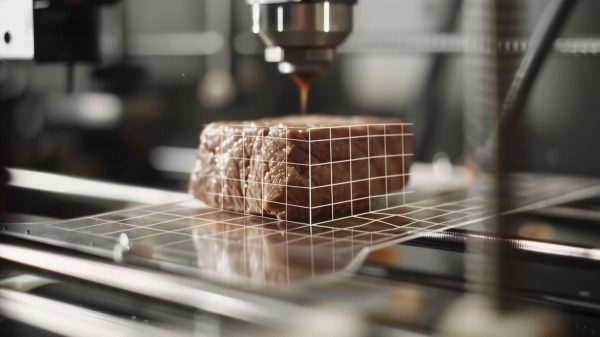
lab grown meat

Photo: The FSA says it has already received applications for lab-grown meat and expects another 12 within two years.


Currently, the pet food brand has only produced lab-grown chicken. However, the technology used opens up possibilities for further types of meats and brands.

Innovations in cultivated meat are happening every day,” says Ensor. For example, Meatly has managed to create a protein-free growing media that has reduced the cost of producing cultivated meat, from hundreds of pounds a litre of media to just £1.

“Now the focus turns towards bioreactor technology and equipment and ensuring that we see the same sort of nutritional values in our products with increased outputs, so that no sacrifice is made to the quality of the product when the quantity is increased.”

There is still a lot of work to do to make cultivated meat scalable to an industrial level, but it is a question of when and not if it will happen.

Addressing the ‘blindspot’ in the market

Speaking about consumer and market reactions, Ensor says initial responses to the brand have been overwhelmingly positive, and have allowed Meatly to gain brand awareness through features on news channels and in media across the world.

There has also been an element of curiosity from the public, which Ensor dismisses as a natural response to a category-first product.

“This is a new frontier and it’s natural for people to want to understand how it works and why it’s beneficial for their animals. I think we’re in a great position as the UK holds a strong interest in sustainability and animal welfare, which has helped foster a more open-minded approach to cultivated meat in general.”

“Chick Bites” is on sale at Pets at Home Brentford, London from Friday 7th February.

Meatly’s positive reception may also be born from rising consumer demand for more sustainable and ethical alternatives to meat, whether for themselves or for their pets.

Noting the “explosion” of plant-based and alternative protein options for humans, Ensor says there has been little innovation or options for pets, calling the oversight a “blindspot”.

“What we feed to our pets has been a sustainability blind spot. Meat production is one of the biggest contributors to climate change and biodiversity loss, and 20% of the meat we consume in the UK is fed to our pets,”

“If we can offer consumers a kinder meat, which is better for the planet, then we think consumers will be eager to feed their dogs and cats that over traditionally reared meat options,” said Ensor.

Despite this, there are inevitably still misconceptions that Ensor is aiming to squash, such as the idea that cultivated meat is “unnatural” or less safe. He says the truth is actually “the contrary, as [lab-grown meat]  is produced in highly controlled conditions that reduce the risk of contaminants often associated with traditional meat production. We are producing chicken in its most simple form so it is unprocessed and completely safe”.

A sizzling future 

Overall, Ensor says cultivated meat is set to play an “incredibly” valuable role in the future of the UK’s grocery industry.

From helping food systems and farms transition to a more sustainable model, to meeting the demand for cheap meat alternatives globally, cell-cultivate meat answers some of the questions for farms which are faced with difficult choices: to expand and intensify production, at the cost of the climate and human health, or try to do adapt, but struggle to survive financially.

Dog eating - re lab-grown meat

Photo: Meatly debut in the pet food category signals the beginning of new innovation in the wider alternative protein sector

Cultivated meat has positioned itself as an alternative protein that can bridge the gap between supply and consumption and give consumers the protein and taste they demand in a way that is “better and kinder for people and the planet”.

The introduction of cultivated meat doesn’t eradicate the need for traditional meat, says Ensor, instead reducing the demand and allowing farmers to focus on organic, grass-fed meat, “which also allows them to earn more money”.

The idea of collaboration through cell cultivation innovation and working with the wider meat sector extends to the Meatly product itself. Ensor says the brand is “open” to partnerships that can help accelerate the development and acceptance of cultivated meat in both the pet and human food markets.

“We’re excited to be part of a growing community of innovators working on cultivated meat. By demonstrating that cultivated meat is safe, nutritious, and sustainable for pets, we’re helping to pave the way for broader acceptance in the human food market.

“Success in the pet food space will build consumer trust and normalise the idea of cultivated meat,” adds Ensor, “making the transition to human consumption a little smoother when the time comes – which hopefully is very soon.”

“Chick Bites” is on sale at Pets at Home Brentford, London from Friday 7 February.

FeaturesFMCGInnovationNews

Leave a Reply

Your email address will not be published. Required fields are marked *

Fill out this field
Fill out this field
Please enter a valid email address.

RELATED STORIES

Most Read

Latest Feature

Menu

Please enter the verification code sent to your email: