
Diageo’s fight for growth: Can smarter strategy steady the ship?

Diageo’s latest financial update, announced yesterday (4 February), confirmed what many in the industry already expected. The drinks giant has cut its medium-term sales growth guidance citing global uncertainty, particularly around potential US tariffs and changing consumer behaviour.
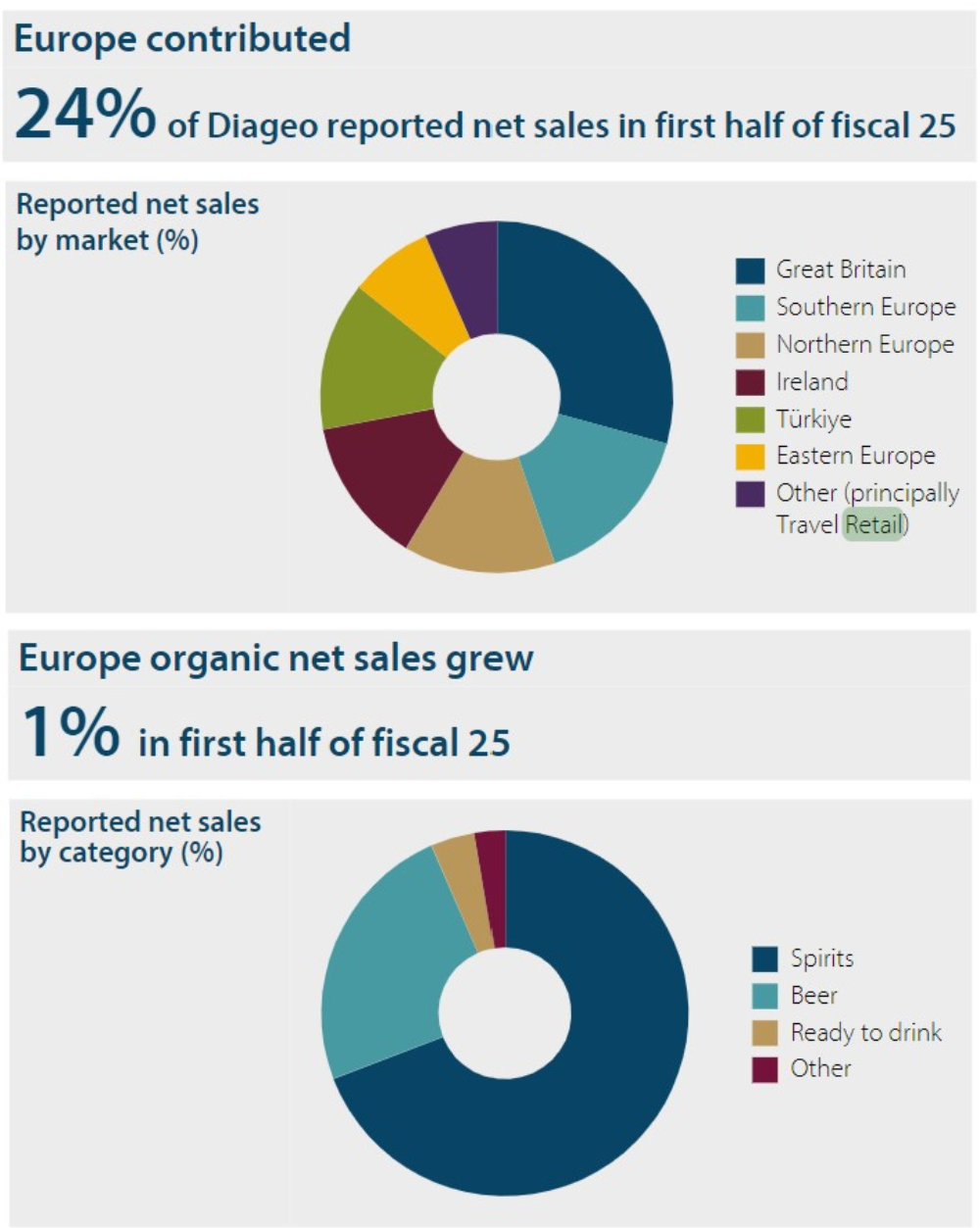
Data: Diageo 2025 half year interim results
While this isn’t a shock, it reinforces the challenges Diageo faces in rebuilding consumer confidence, stabilising volumes and adapting to shifting market dynamics.
In the six months ending 31 December, the alcohol giant reported an operating profits drop of 4.9% to £2.54bn ($3.155bn), while organic operating profit fell by £33m ($42m) or 1.2%.
Global net sales declined 0.6% in the six month period, with the business citing a negative impact from acquisitions and disposals, such as the offloading of the Pampero and Safari brands earlier this year.
However, beneath the gloomy headlines, there are signs of encouragement. Organic net sales nudged up 1%, and the group’s ‘premiumisation’ strategy is also holding up better than feared, with price mix remaining strong. Meanwhile, Guinness continues to be a standout performer, while Diageo has cut its marketing spend to instead reinvest money elsewhere in the business.
We spoke to industry experts to ask where Diageo goes from here. Can it bounce back, and what role will UK grocery play in its future success?
1. Tariffs, Trade Wars, and the US Challenge
Bloomberg Intelligence senior consumer products analyst Duncan Fox says its “not massively surprising” that Diageo has cut its midterm guidance, previously forecast to be between 5-7%.
He points out, despite a current pause in Trump’s tariffs, it is likely the reprieve is only temporary, leaving it inevitable that Diageo will be facing further trade challenges in the US.
“There’ll be some sort of tariff at some point. So that uncertainty means you can’t really have a guidance until that’s [implemented] and you know learn how consumers will react to it,” he says.
Uncertainties of the impact of tariffs have left Diageo fearing its performance in the coming year
The US market accounts for 45% of Diageo’s sales, and potential tariffs could disrupt key categories and have a knock-on effect on its wider global business —especially for tequila, which has been a major growth driver, accounting for 12% of Diageo’s volume in the US spirits market.
Yet, while the tariff impact is still uncertain, Diageo is not necessarily alone in navigating the choppy waters. While tequila brands account for low sales among competitors like Pernod Ricard and Rémy Cointreau, with the introduction of tariffs across other spirit divisions, other alcohol manufactures will likely also be affected, meaning the entire sector could see turbulence.
Fox says an introduction of tariffs on whiskey would signal a bigger “issue” for rest for the spirits industry:
“I think the date that we’ll know for sure whether that’s being imposable is somewhere around mid April, so, and it’ll then be actually imposed from July on, but so that’s when tariffs become a lot bigger problem for the industry,” says Fox.
Global Data director of alcoholic beverages Kevin Baker says such an introduction is unlikely but cannot be ruled out.
“Currently the noises coming out of the Trump administration suggest that the UK may avoid any tariff barriers, which is good news for Diageo’s Scotch Whisky portfolio, although previous experience is that Trump is extremely unpredictable and therefore the imposition of tariffs of the UK in the future cannot be ruled out.”
Other sections of portfolio are likely to be largely unscathed, such as its beer division, with Baker adding that there will “not be much effect.”
“Guinness drinkers in the US are likely to be more affluent and unless the level of tariffs, and the degree to which these are passed on to consumers, are draconian, it is unlikely to have a significant impact on sales,” says Baker.
There is a suggestion that Diageo’s premium portfolio could be the key to offering resilience. If US consumers remain willing to pay more for high-end brands, particularly the relatively affluent tequila and whisky consumers, the alcohol giant may be able to offset volume pressures with stronger pricing.
Yet this is a result that hinges on consumer sentiment and the outcome of potential tax policies.
2. Guinness: The brand that’s holding up the house
Diageo’s vast portfolio includes some of the world’s biggest spirit brands, but Guinness continues to be the company’s standout brand, delivering consistent growth even as other categories struggle.
The brand has successfully gained category share, expanding beyond its traditional on-trade stronghold, with Guinness 0.0 proving a hit in retail and seasonal marketing campaigns, such as the English Premier League partnership, keeping engagement high.
In yesterday’s trading update Crew said she was “particularly proud” of its performance, noting that it had delivered double-digit growth for an eighth consecutive half, “supported by brand building expertise, innovation and growing global momentum.”
It success has been fuelled by the rise in popularity of stout, which led to Guinness supply issues over the Christmas period, and saw Diageo fend off rumours of a sale, in a deal thought to be worth over £8bn.

Over Christmas Guinness experienced supply issues, forcing it to ration retailers and pubs
Is Diageo leaning too heavily on its star performer, and can other brands replicate Guinness’s momentum?
The alcohol giant’s UK net sales grew 2%, showing resilience in a challenging market, but the same period saw its spirits sales fall 6%. This is perhaps an indicator that shoppers are trading down or shifting towards alternative categories, a move fuelled by newly implemented changes to alcohol duty, which is due to increase the cost to customers of higher strength spirits.
The past year has seen the FMCG giant pushing its high-end spirits persistently, particularly around major seasonal moments, but Fox suggest its more affordable brands need just as much attention, given that inflation-hit consumers are still trading down.
He says despite Christmas previously being the prime time for its spirits division, Diageo seems to be pushing its spirits brands “a lot more now” than at other times in the year.
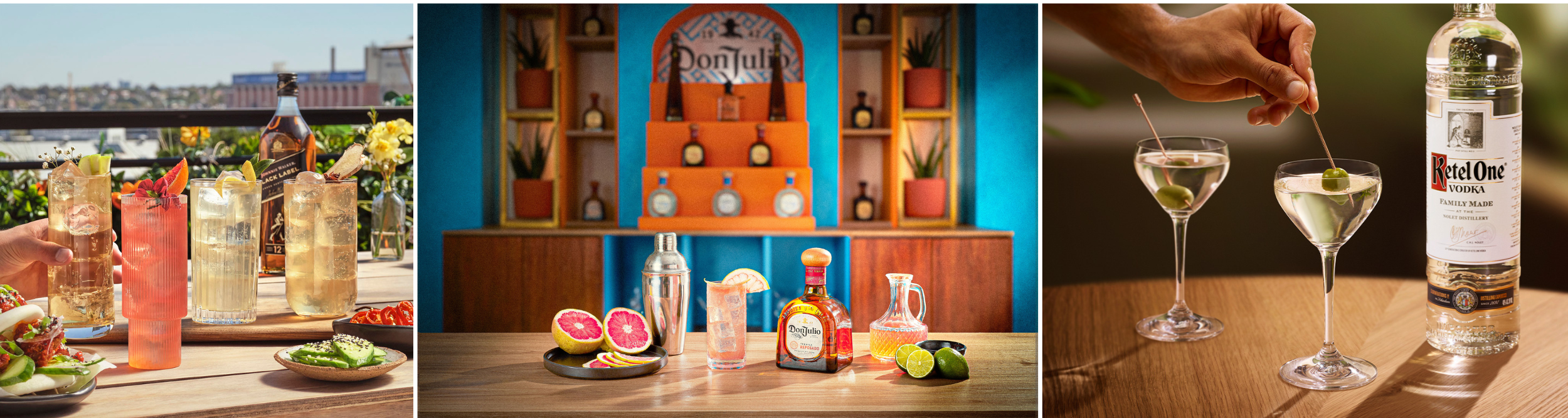
The right marketing campaign for its spirits brands may do well to reposition the products in the minds of Diageo consumers. Photo: Johnnie Walker, Don Julio and Ketel One.
“Maybe they need to make sure that the bottom end brands are being marketed as aggressively as the as the premium ones, because people are still bruised by inflation.”
To achieve this, Diageo can reignite interest in core spirits with tailored marketing strategies, rather than relying on seasonal spikes. At the same time, it could also tap into the UK grocery opportunities by doubling down on premiumisation while ensuring accessible price points for budget-conscious shoppers.
Here retailers could play a crucial role, with Diageo having the opportunity to take advantage of UK supermarket and convenience channels, utilising in-store marketing to drive visibility, promotions and new product launches.
3. What’s next? Consumer trends Diageo will be watching in 2025
Looking ahead, global consumer sentiment may be the defining factor in Diageo’s recovery. Consumer trends are likely to both benefit some brands in its portfolio and punish others.
Baker says changing consumer drinking patterns leave Diageo “facing significant headwinds”.
For example, the rise in popularity of low-alcohol stout is likely to further boost sales for market leader Guinness. Yet the consumer trend towards lower-content alcohol – due to side effects of increasingly popular weight-loss drugs, and general moderation trends – could make 2025 a difficult year for spirits overall.
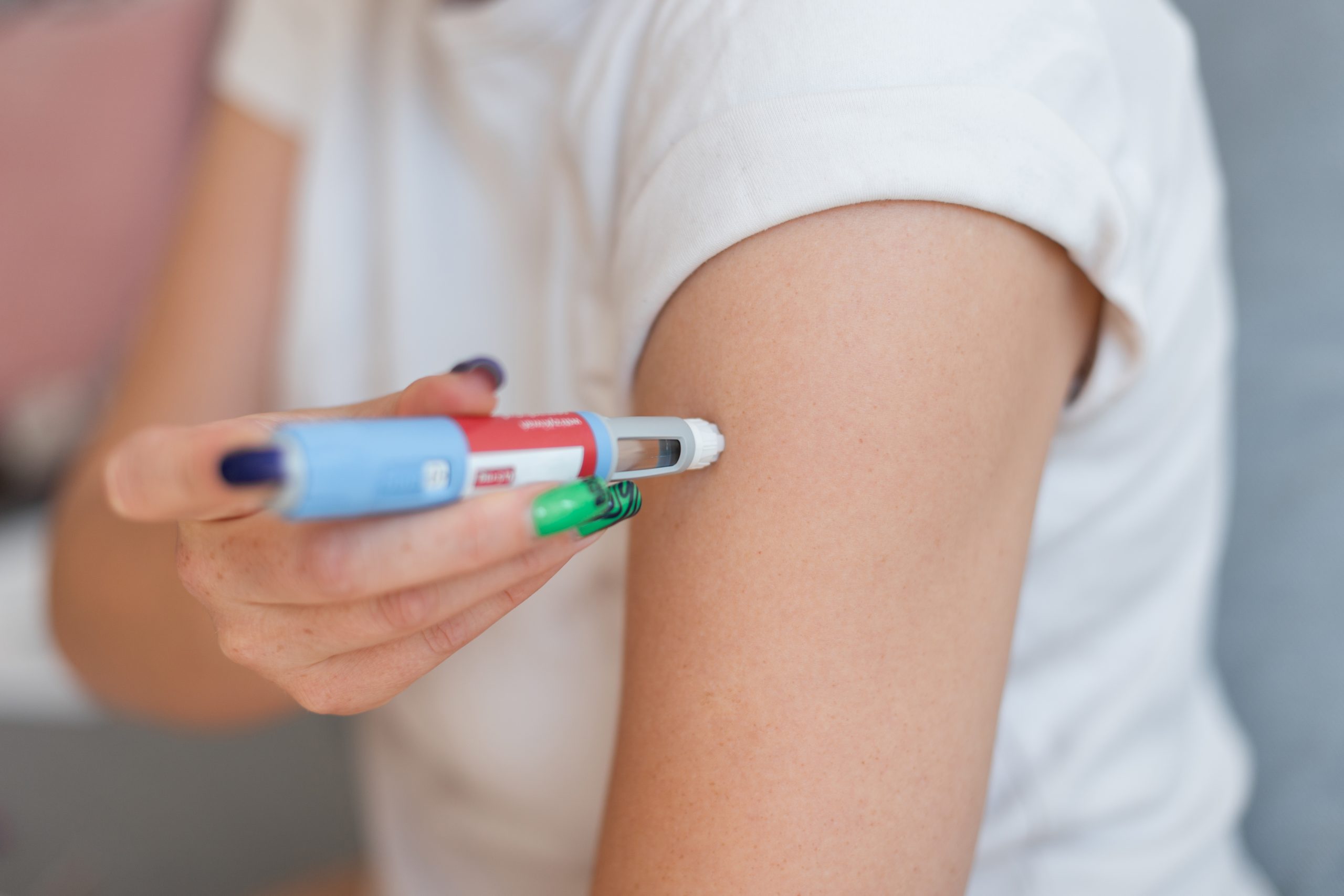
Rise in weight loss drugs like Ozempic and Wegovy could be driving the trend of low-alcohol content drinks.
In January, British fund manager Terry Smith sold his stake in Diageo due to concerns around weight-loss drugs and management issues. Smith warned that weigh-loss aids such as Ozempic and Wegovy had the potential to hit the drinks sector, a statement that sent waves of uncertainty through Diageo’s investors.
Baker says that Diageo is “not alone” in this challenge, and arguably has long been a leader in the development of the market for non-alcoholic spirits.
In addition, if economic conditions improve, premiumisation could continue its upward trajectory, offsetting the impact of dampened sales from moderation trends.
Its going to be a tough year. But as we go through, things will start to improve.
Looking ahead, Fox describes the coming year as one that is “going to be a tough”, dependant on both economic growth and “what comes out of the US”.
That being said, Fox adds there are “encouraging signs”. Pockets of opportunities in the UK and Europe include stabilisation, where the work may already be priced in, and marketing-led wins, as brands with the right pricing and messaging stand out in a competitive landscape.
“It’s difficult to see how much worse it could get where we are now, because of the various uncertainties. As we go through the year, things will start to improve, but companies will have to be very, very clever with their marketing as they price their brands to make sure they win,” says Fox.
Can Diageo prove the doubters wrong?
It is clear Diageo is at a critical turning point. Its leadership team is under pressure to restore growth, and while challenges remain, the FMCG giant still has powerful brands and a long-term premiumisation strategy that has yet to fully play out.
The UK grocery sector has the potential to be key to its recovery, offering a platform to stabilise spirits sales, capitalise on Guinness’s momentum, and tap into the evolving consumer landscape.
With smart marketing and the right retail execution, Diageo has a path forward—but it needs to move fast to reassure both investors and consumers, and win back momentum.