
Sainsbury’s ditches peat to debut ‘greener’ mushrooms in industry first

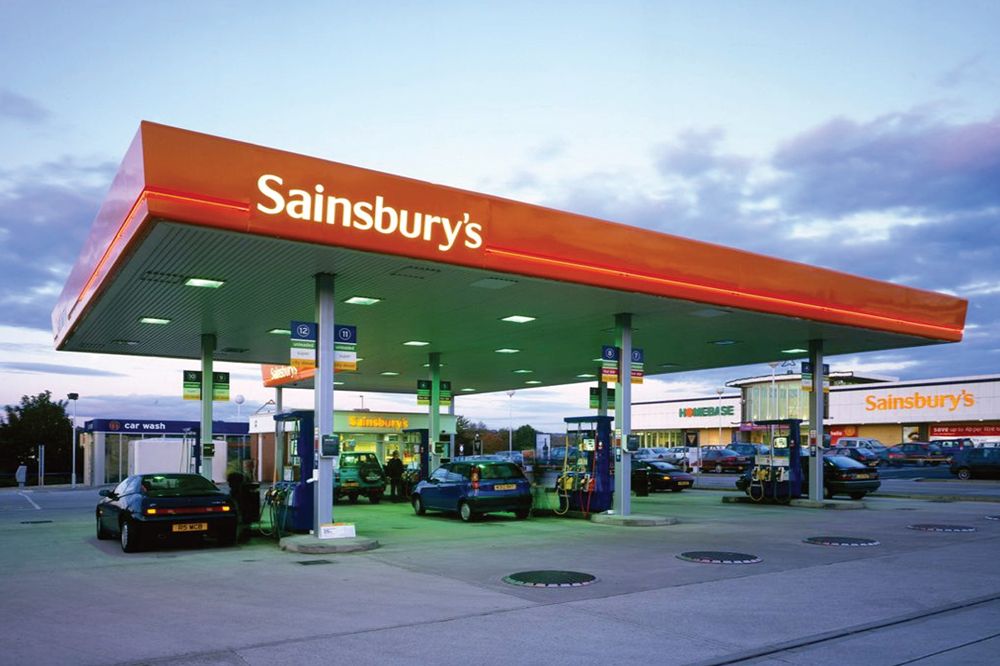
Sainsbury’s has become the first UK supermarket to sell “greener” mushrooms, grown without peat.
The supermarket has begun selling the carbon-friendlier produce, which are firmer and whiter than the traditional peat-grown version and is expected to cut its peat usage by 20,465 tonnes a year.
The mushrooms, which come with a ‘Grown without Peat’ sign on the packaging, are produced using a casing layer of UK-sourced “natural recycled materials” developed by mushroom producer Monaghan, and by-products from agricultural industries.
They are set to roll out to over 200 of the supermarket’s stores, representing a fifth of Sainsbury’s mushrooms, and are available in the White Closed Cup 300g and White Baby Button 200g variants.
It is understood the peat-free mushrooms are also drier and have a longer shelf life of 11 days compared to the conventional peat-grown variant’s 10 days.
Subscribe to Grocery Gazette for free
Sign up here to get the latest grocery and food news each morning
Sainsbury’s director of fresh food Richard Crampton said: “At Sainsbury’s, we’re committed to playing our part in enabling and driving a resilient and sustainable food system, including protecting nature and reducing carbon to Net Zero. Our new peat-free mushrooms will help us to get another step closer to achieving these goals in our supply chain.
“We’re proud to be the first supermarket in the UK to bring peat-free mushrooms to our customers, who want easy ways to make more responsible choices when buying food, without compromising on quality. This wouldn’t have been possible without the work of our partner Monaghan who spent 10 years coming up with the alternative.”
Sainsbury’s move comes amid growing concern about the carbon emissions released from peat-grown mushrooms, which recently has seen calls for the end of the practise. The National Trust restricted the consumption of peat-grown mushroom in its cafés earlier this year.
Growing mushrooms using peat is popular due to its moisture holding abilities and high yield percentage, however its extraction creates a carbon impact equivalent to more than 2,600 cars per year.
Sainsbury’s is not the only grocer to experiment with alternative ways of growing mushrooms. Waitrose has trialled using coconut husk fibre to produce mushrooms on its Hampshire Leckford Estate farm, but has yet to launch a commercial product.
The Labour government’s manifesto vowed to end the use of peat in horticulture by 2028.